
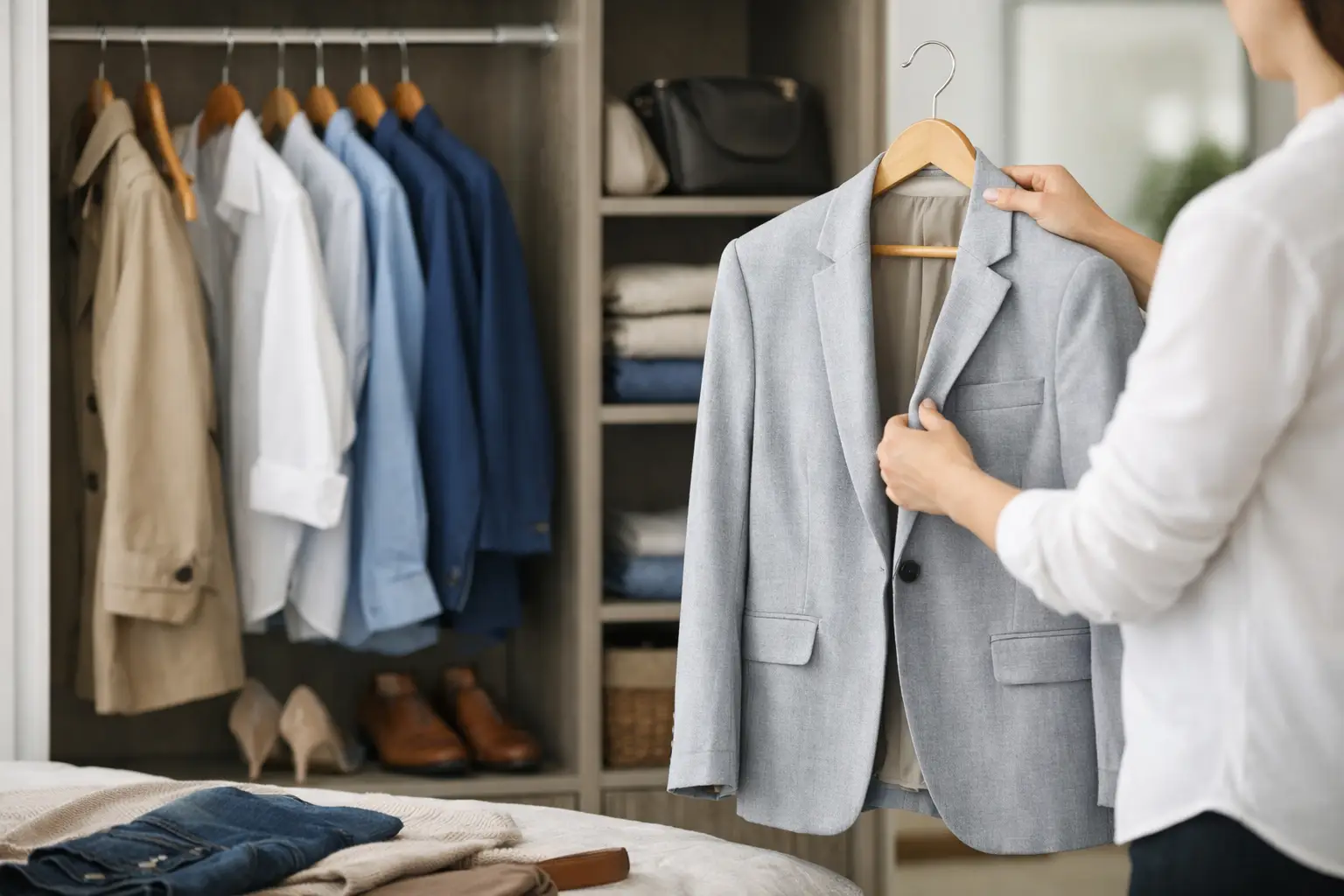
A wardrobe can make a bedroom feel pulled together – or instantly cramped. That is why knowing how to choose a wardrobe matters long before you get to colors, handles, or sale prices. The right one needs to fit your room, hold what you actually wear, and work with your daily routine, not just look good in a product photo.
Most wardrobe mistakes come down to one thing: buying for appearance first and use second. A sleek design may catch your eye, but if the doors cannot open properly, the hanging space is too short, or the drawers are too shallow, it will feel like a compromise every single day. A better approach is to start with function, then narrow down the style.
How to choose a wardrobe for your space
The first decision is not the finish or the brand. It is the footprint. Measure the width of the wall, the ceiling height, and the depth your room can comfortably handle. In smaller bedrooms, even a few extra inches in depth can affect how easily you move around the bed or open nearby drawers.
It also helps to think beyond the wardrobe itself. You need clearance for doors, enough room to walk past when they are open, and space for other furniture to work properly. If your bedroom already has a bed frame with storage drawers, a nightstand, or a dressing table, the wardrobe has to fit into that layout without turning the room into a squeeze.
Sliding door wardrobes are often the smart choice where floor space is tight because the doors do not swing outward. Hinged door wardrobes can feel more traditional and often give you a full view of the interior at once, but they need more breathing room. Neither option is better in every case. It depends on the shape of the room and how you use it.
Think about visual scale, not just measurements
A wardrobe can technically fit and still feel too large. Tall, wide units create strong visual weight, especially in compact bedrooms. If your room is already furnished with a substantial bed and headboard, a bulky wardrobe may overpower the whole space.
Mirrored doors can help lighten the look while adding a practical feature. Lighter finishes also tend to keep a room feeling open and contemporary. Darker woods and matte black details can look striking, but they usually suit larger rooms better unless the rest of the furniture is kept clean and minimal.
Start with what you need to store
If you are wondering how to choose a wardrobe without regretting it later, look at your clothing before you look at the product range. A wardrobe should match your storage habits, not an imaginary version of them.
Someone with lots of dresses, coats, and shirts on hangers will need generous hanging space. Someone who folds knitwear, denim, and loungewear may get more value from shelves and drawers. Couples often need a mix of both, along with clearly divided sections so one side does not slowly take over the other.
This is where internal layout matters more than many shoppers expect. A double wardrobe with one rail and one shelf sounds simple, but it is not always efficient. You may be better served by a design with double hanging rails for shorter items, integrated drawers for accessories, or extra shelving for shoes and bags.
Be realistic about hanging length
Long hanging space is useful, but not everyone needs an entire wardrobe dedicated to it. If your closet mostly holds shirts, jackets, and folded basics, a double rail layout can dramatically increase storage capacity. On the other hand, if you wear long dresses, coats, or formalwear regularly, cutting that space in half will quickly become frustrating.
The right balance usually comes from taking stock of your current storage pain points. If clothes are crushed, stacked in piles, or stored in random baskets, that tells you what the new wardrobe needs to solve.
Match the wardrobe to your bedroom style
Once function is clear, style becomes much easier to choose. The best wardrobes do not fight the room. They support it.
For a contemporary bedroom, clean lines, minimalist handles, and smooth finishes tend to work well. Gloss fronts can create a polished, light-reflecting look, while matte finishes feel softer and more understated. Wood-effect finishes add warmth and are especially useful if you want the bedroom to feel relaxed rather than ultra sleek.
You do not need every piece to match perfectly, but there should be a clear connection. That could be repeated hardware, a similar wood tone, or a shared design language between the wardrobe, bed, and nightstands. If your room already has a statement bed, a simpler wardrobe often creates better balance. If the rest of the space is quiet, the wardrobe can take on more design presence.
Consider longevity, not just trend appeal
Fashion-forward furniture is exciting, but wardrobes are not small impulse buys. A bold finish or highly decorative front may feel current now, then harder to live with after a few years. That does not mean you should only choose neutral pieces. It means the larger and more permanent the item, the more useful it is to think about staying power.
A wardrobe in a versatile finish gives you more flexibility if you later swap textiles, wall color, or your bed. That is often the smarter value play, especially if you are furnishing the whole room over time.
Door style changes the day-to-day experience
Wardrobe doors affect more than appearance. They shape how easy the piece is to use every morning.
Sliding doors are practical and streamlined, especially in modern homes where bedrooms need to work hard with limited square footage. They also create a neat front elevation, and mirrored sliding doors can add extra function without taking up more room. The trade-off is that you only access one side at a time.
Hinged doors offer wider opening access and can make organizing easier because everything is visible at once. They also often work well with more traditional interior layouts. The trade-off is space. If the room is narrow, opening them may interfere with the bed or nearby furniture.
Neither choice is wrong. The better one is the one that suits your floor plan and your habits.
Do not overlook build quality
A wardrobe may look stylish online, but daily use quickly reveals whether the construction is up to the job. Pay attention to materials, door mechanisms, handle quality, and how sturdy the interior fittings appear. Shelves need to support real weight. Drawers should glide smoothly. Doors should feel reliable, not flimsy.
This is also where trusted furniture retailers earn their place. When you are buying a larger item online, confidence matters. Clear product details, secure payment, transparent delivery information, and a fair returns policy help remove some of the uncertainty that comes with choosing furniture from a screen.
For many shoppers, value is not simply the lowest price. It is getting the right combination of design, function, and buying confidence. That is especially true when coordinating bigger bedroom purchases like beds, mattresses, and wardrobes together.
When a bigger wardrobe is worth it
It is easy to assume the largest wardrobe you can fit is the best buy, but that is not always true. If it dominates the room or leaves no space for a dresser, mirror, or comfortable movement around the bed, it may solve one problem while creating another.
That said, going too small is often the more expensive mistake because it pushes clutter elsewhere. If you are choosing between two sizes and your room can genuinely support the larger one, it is often worth leaning toward extra storage. Bedrooms tend to collect more than just clothing, and a little flexibility goes a long way.
A well-chosen wardrobe should make the room feel calmer, not fuller. That is the real benchmark. It should streamline your routine, support your style, and help the entire bedroom work better as a space. Choose with that in mind, and the right design usually becomes much easier to spot.