Furniture Clearance Sale Online Tips

Furniture Clearance Sale Online Tips

A great-looking bedroom rarely comes together by accident, and neither does a smart furniture deal. When you shop a furniture clearance sale online, the real win is not just paying less – it is finding pieces that still feel current, work hard in your space, and arrive with the reassurance you expect from a serious retailer.

Clearance can sound like a last-chance corner of the internet, but that is not how savvy shoppers use it. For many homes, it is where standout value lives. A bed frame that upgrades the whole room, a mattress from a trusted brand, or a sideboard that adds storage without eating up floor space can all sit in clearance for reasons that have nothing to do with quality. Often, it is about seasonal change, discontinued finishes, overstock, or making room for new collections.

What a furniture clearance sale online actually offers

The best online clearance events give you access to more than leftover stock. They create a sharper path to products that already proved their appeal, just at reduced prices. That matters when you are furnishing a bedroom, guest room, or living space and want design, function, and value to line up in one purchase.

In practical terms, clearance can be a strong place to shop for upholstered beds, ottoman beds, mattresses, wardrobes, bedside storage, dining furniture, and accent pieces. The main advantage is obvious – lower pricing. The less obvious advantage is decision-making speed. If you already know your style, preferred size, and must-have features, a well-organized clearance section can narrow the field fast.

There is a trade-off, of course. Clearance shopping usually rewards decisiveness. The best pieces do not sit around for long, and some products may have limited stock in certain sizes or finishes. If you are the kind of shopper who likes to revisit the same shortlist for three weeks, standard ranges may give you more flexibility. If you know what you need and are ready to move, clearance is often where momentum pays off.

How to shop a furniture clearance sale online without regrets

Start with the room, not the discount. It is easy to get distracted by percentage-off banners, but furniture needs to earn its place in your home. Before you browse, lock in the basics: room dimensions, product size, access measurements, preferred finish, and any non-negotiables such as storage, mattress tension, or upholstered headboard height.

This matters most with larger pieces. A king bed at a great price is still the wrong buy if it overwhelms the room. A wardrobe with sleek lines may look perfect on screen but become frustrating if door clearance is tight. Clearance shopping works best when your practical filters are already set.

Then look closely at materials and construction. A reduced price should not mean lowering your standards. Upholstered frames, wooden furniture, mirrored finishes, storage mechanisms, and mattress fillings all affect how a product performs day to day. Contemporary style is a big part of the appeal, but comfort and usability are what make a purchase feel worthwhile six months later.

Product photography helps, but descriptions do the heavier lifting. You want to know whether a bed frame offers hidden storage, whether a headboard has a bold modern profile or a softer shape, whether a mattress is designed for firmer support or pressure relief, and whether a sideboard is more decorative than practical. Strong online shopping comes down to reading the details that shape real use.

Best categories to buy in an online furniture clearance sale

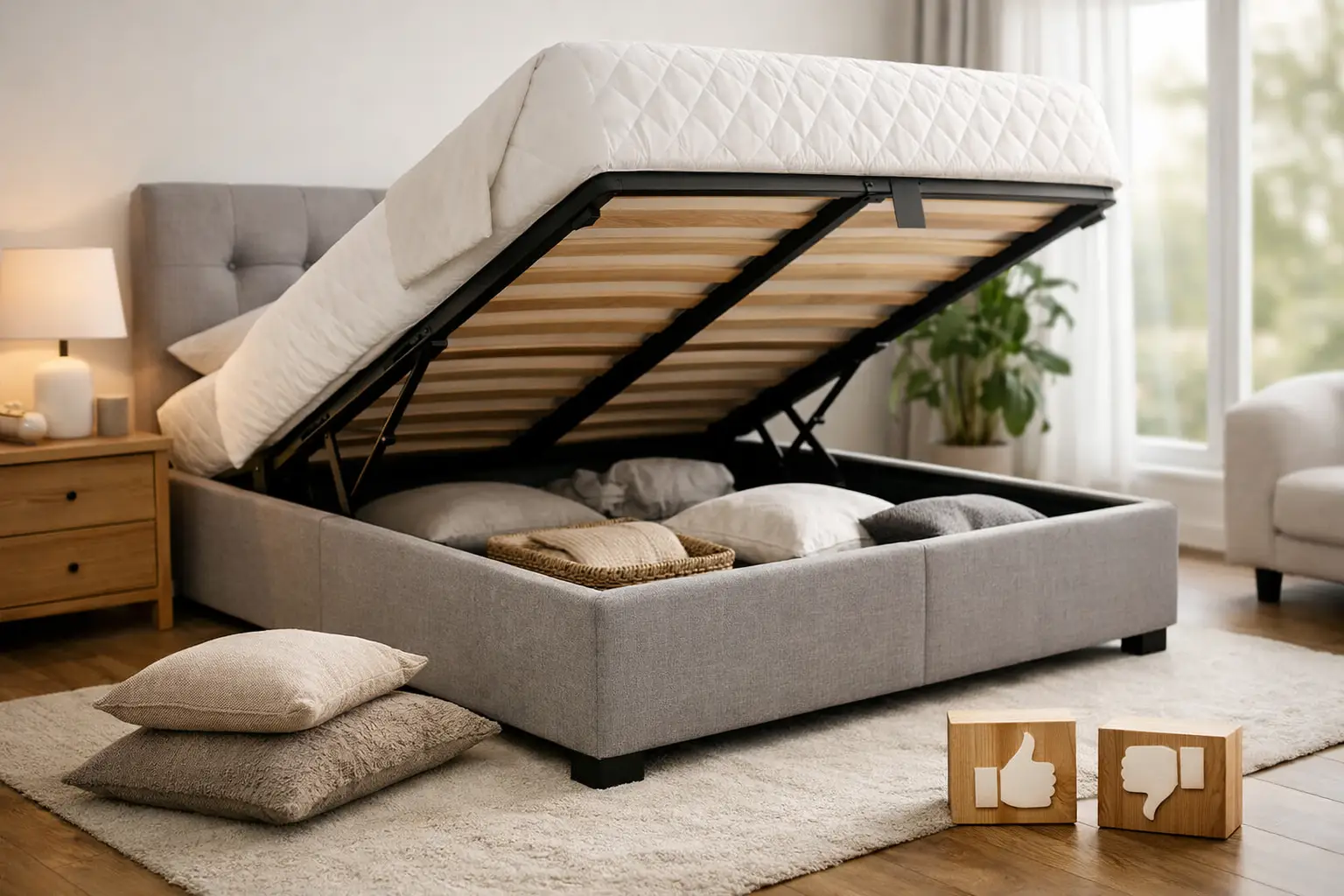
Bedroom furniture is often where clearance value feels strongest. Beds anchor the room visually, so a discounted frame can make a dramatic difference without making the space feel compromised. Ottoman beds are especially appealing in smaller homes and apartments because they combine a clean, contemporary look with serious hidden storage.

Mattresses are another smart category, provided you stay focused on comfort preferences rather than price alone. A bargain mattress that does not support the way you sleep is no bargain. Think about your usual sleeping position, whether you share the bed, and whether motion control or cooling comfort matters to you. Clearance pricing can make better sleep feel more attainable, but only if the specification fits your needs.

Storage furniture also tends to shine in clearance. Bedside chests, dressers, wardrobes, and compact cabinets can pull a room together quickly, especially if you are trying to create a more coordinated look without buying every item from a full-price collection. In living and dining spaces, sideboards, display units, and occasional chairs often offer the same advantage – statement style at a more comfortable price point.

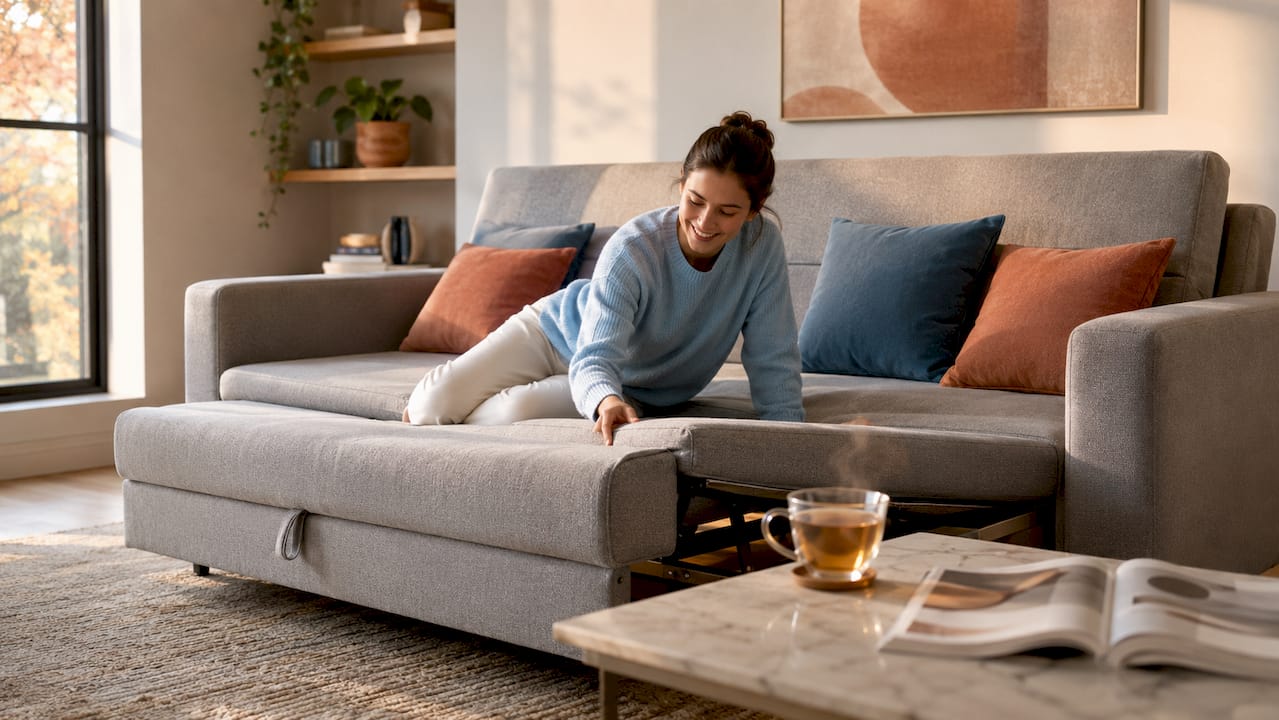
Sofa beds and bunk beds deserve a mention too. They are functional purchases first, but that does not mean they should look purely practical. Clearance can be a useful place to find designs that balance everyday use with a more polished finish, particularly for guest rooms, kids’ rooms, or multi-use spaces.

What to check before you add to cart

Price gets attention, but trust signals close the gap between browsing and buying. When furniture is purchased online, reassurance matters. Delivery terms, payment security, and return policies are not small print details – they are part of the product value.

A good clearance offer should still come with clear delivery information and realistic expectations around timing. Some items ship quickly, others take longer depending on supplier stock and handling. The key is transparency. If you are furnishing around a move, renovation, or guest arrival, timeline clarity is just as important as the sale price.

Returns are a little more nuanced. Always read the policy carefully, especially for larger furniture and mattresses. Some clearance items follow standard return terms, while others may have specific conditions. That is not automatically a red flag. It just means you should know the rules before purchase, particularly for high-value items.

Secure payment is another part of shopping with confidence. Furniture is a considered purchase, and customers should feel comfortable checking out without second-guessing the retailer. This is one reason established online furniture stores have an edge over random marketplace sellers. The product may look similar, but the after-purchase experience can be very different.

When clearance is better than buying new-season stock

If your priority is trend-led design the second it lands, new-season collections will naturally have appeal. But if your aim is to create a stylish, functional room without overspending, clearance often makes more sense than shoppers expect.

Furniture does not age like fast fashion. A contemporary upholstered bed, a sleek wardrobe, or a modern dining chair can still feel fresh long after the original launch window. Many clearance pieces remain current because good design tends to outlast the calendar. What changes is the assortment strategy, not necessarily the product relevance.

This is especially true when you are furnishing multiple rooms. Saving on core pieces in clearance can free up budget for finishing touches such as a better mattress, upgraded headboard, or additional storage. That creates a more balanced home overall instead of blowing the budget on one hero item.

Brays UK leans into that kind of value well – style-forward pieces, broad category choice, and the kind of online reassurance that makes bigger-ticket shopping feel more straightforward.

Making your clearance buy feel intentional

The biggest myth about clearance furniture is that it looks like a compromise. It only does if the room has no clear direction. If you choose pieces that match your layout, finish palette, and day-to-day needs, a clearance purchase can look every bit as polished as a full-price one.

Try to think in terms of room balance. If your bed frame has a bold presence, keep surrounding storage cleaner and simpler. If your dining furniture is understated, an accent chair or sideboard can add texture and personality. Matching everything perfectly is not the goal. Coordinating shape, tone, and function is what makes the room feel finished.

This is where online shopping has a genuine advantage. You can compare dimensions, materials, styles, and categories side by side without showroom fatigue. For busy households, that convenience is not just nice to have – it is often what makes the purchase happen.

A furniture clearance sale online works best when you shop with clear priorities and a little confidence. The right piece should still feel right after the discount is stripped away. If it suits your space, supports how you live, and gives your room that clean, contemporary lift, that is not just a sale buy – it is a smart one.

Best Mattress Firmness for Side Sleepers

Best Mattress Firmness for Side Sleepers

Shoulders going numb by 3 a.m. and hips feeling oddly sore by morning usually point to one thing: your mattress is fighting your sleep position. The best mattress firmness for side sleepers is usually medium to medium-soft, but that sweet spot depends on your weight, pressure points, and the feel you actually enjoy night after night.

Side sleeping is one of the most common and comfortable positions, but it puts more pressure on the shoulders and hips than back sleeping. That means the wrong mattress firmness can feel uncomfortable fast. Too firm, and you get pushback where you want cushioning. Too soft, and your spine can dip out of alignment. Getting it right is less about chasing a single number and more about finding balanced comfort and support.

What is the best mattress firmness for side sleepers?

For most side sleepers, the best fit lands between 4 and 6.5 on the typical mattress firmness scale, where 1 is very soft and 10 is very firm. In real-world terms, that means soft enough to cushion curves, but supportive enough to keep your waist and lower back from sinking too far.

A medium-soft mattress, around 4 to 5, often works well for lighter side sleepers or anyone who wants a more cradling feel. A true medium mattress, around 5 to 6, is a strong all-around choice for couples, combination sleepers, and shoppers who want comfort without too much sink. Medium-firm can still work for some side sleepers, especially if they are heavier or prefer a more lifted surface, but very firm mattresses are rarely the first recommendation for this sleep position.

The reason is simple. Side sleeping creates sharper contact points than other positions. Your shoulders and hips need enough give to settle into the mattress slightly, while the rest of the body stays supported. When firmness is balanced properly, your spine stays more neutral and pressure buildup is reduced.

Why side sleepers usually need a softer feel

Side sleepers do not lie flat against the mattress. They rest unevenly, with more force concentrated at the widest parts of the body. A mattress that feels comfortable to a back sleeper can feel uncomfortably hard to someone sleeping on their side because it does not allow those pressure points to sink in enough.

That is why side sleepers often prefer a mattress with more contouring. This does not mean a mattress should feel overly plush or unsupportive. It means the surface should respond well to curves and distribute weight more evenly. When that happens, the shoulders can settle without feeling jammed upward, and the hips can sink just enough to avoid twisting the lower back.

This is also where mattress material matters. Memory foam tends to contour more closely, which many side sleepers love for pressure relief. Hybrid mattresses can be a great middle ground because they blend cushioning comfort layers with a more supportive core. Traditional innerspring models can work too, but they often need a softer, better-padded top to feel comfortable for side sleeping.

The firmness that works best by body weight

Body weight changes how a mattress feels. A firmness that feels soft and cushioning to one person may feel flat-out firm to someone else.

Lightweight side sleepers

If you weigh under about 130 pounds, you usually will not sink as deeply into the mattress. Because of that, a medium-soft or even soft mattress often feels better. It allows the shoulders and hips to get the pressure relief they need instead of hovering too much on top of the surface.

A mattress that is labeled medium-firm may feel firmer than expected in this weight range. If you regularly wake with shoulder tension or tingling arms, your mattress may simply not be giving enough.

Average-weight side sleepers

If you weigh roughly 130 to 230 pounds, medium-soft to medium is often the most comfortable range. This is where many side sleepers find the easiest balance between cushioning and support.

For this group, shopping by feel can be especially useful. If you like a body-hugging, cocooned sensation, you may lean toward medium-soft. If you prefer a cleaner, more lifted feel with easier movement, medium or medium-firm in a well-designed hybrid can be the better choice.

Heavier side sleepers

If you weigh over 230 pounds, a mattress that is too soft can let the hips and torso sink too deeply, which may pull the spine out of alignment. In this case, medium to medium-firm usually works better, especially with stronger support layers underneath.

That said, side sleepers in this category still need pressure relief. The goal is not a hard mattress. It is a mattress with enough cushioning on top and enough structure below to prevent sagging.

The best mattress firmness for side sleepers with pain

If you are shopping because of pain, firmness matters even more, but not always in the way people expect.

Shoulder pain

Shoulder pain is often linked to a mattress that is too firm. The shoulder needs room to sink slightly into the bed. If it cannot, pressure builds quickly and can cause numbness, stiffness, or soreness. A medium-soft mattress with good contouring is often a smart starting point.

Hip pain

Hip discomfort can go either way. Some people need more cushioning to reduce pressure, while others need more support to stop the hips from dipping too far. If your mattress feels hard under the hip bone, go softer. If your hips feel heavy and low compared with the rest of your body, go a little firmer.

Lower back pain

For side sleepers, lower back pain often points to poor alignment. A mattress that is too soft can let the waist and hips sink unevenly. A mattress that is too firm can leave a gap at the waist, so the spine is not properly supported. Medium is usually the safest zone, especially in a mattress that offers both contouring and support.

Material matters as much as firmness

Firmness ratings are helpful, but they do not tell the whole story because two medium mattresses can feel completely different.

Memory foam usually feels more body-conforming. It suits side sleepers who want deeper pressure relief and less bounce. This can be especially appealing if your current mattress feels too hard or if you wake with pressure-point pain.

Hybrid mattresses often have a more balanced feel. You still get cushioning comfort layers, but the pocket spring or coil support core adds responsiveness and structure. For many shoppers, this is the sweet spot because it combines comfort and support without feeling overly soft.

Latex tends to feel springier and more buoyant than memory foam. Some side sleepers love that lifted sensation, while others want more contouring than latex typically provides.

This is why the best mattress firmness for side sleepers is never just a number on a label. Construction changes how that firmness is delivered.

How to tell if your current mattress is too firm or too soft

You do not always need a full sleep study to know your mattress is wrong. Your body tends to give pretty clear feedback.

If your mattress is too firm, you may wake with sore shoulders, tingling arms, hip pressure, or the feeling that you were sleeping on top of the bed rather than in it. If your mattress is too soft, you may notice lower back pain, a hammock-like dip in the middle, or the sense that rolling over takes effort.

Pay attention to how you feel after a full night, not just the first five minutes when you lie down. Many mattresses feel comfortable at first touch but become less supportive over several hours.

What side sleepers should prioritize when shopping

A stylish bed frame may set the tone for your bedroom, but your mattress has to do the harder job. For side sleepers, pressure relief should be high on the list, followed closely by spinal support.

Look for a comfort layer thick enough to cushion the shoulders and hips, especially if you prefer a more plush feel. If you share the bed, motion control may matter too, particularly with foam and hybrid models. Edge support can also be useful if you sit on the bed often or want the mattress to feel stable across the full surface.

This is where a well-curated range makes shopping easier. Instead of guessing from endless options, you can compare mattress types, firmness levels, and comfort features in a way that feels more practical and less overwhelming.

One firmness does not suit every side sleeper

There is no single perfect firmness for every side sleeper, and that is the part many quick guides skip. Sleep position matters, but so do body shape, mattress materials, pain points, and personal preference.

If you love a plush, enveloping feel, medium-soft may be your comfort zone. If you want a cleaner, more supportive surface, medium or medium-firm in the right construction may suit you better. Couples may also need a compromise, especially if one person is a side sleeper and the other sleeps on their back or stomach.

The best choice is the one that lets your shoulders and hips relax without throwing your spine off line. When a mattress gets that balance right, sleep feels easier, mornings feel better, and your bedroom starts delivering the comfort it should have had all along.

If you are replacing a mattress that never quite felt right, do not assume you need something firmer just because support matters. For side sleepers, comfort and support are not opposites. The right mattress gives you both, and that is where better sleep usually begins.

What Size Mattress Do I Need? Start Here

What Size Mattress Do I Need? Start Here

You notice mattress size most at 2 a.m. – when your feet are hanging off the edge, your partner has claimed the middle, or the bed suddenly feels too big for the room. If you’re asking what size mattress do I need, the right answer comes down to three things: how you sleep, who you sleep with, and how much space your bedroom can comfortably give up.

A mattress should feel like part of a well-planned bedroom, not a compromise squeezed into it. Size affects comfort, movement, storage, and how polished the whole room looks once the bed frame, nightstands, and other furniture are in place. Go too small and sleep suffers. Go too large and the room can feel crowded fast.

What size mattress do I need for my space?

Start with the room, because even the most comfortable mattress can be the wrong choice if it overwhelms the layout. A bed usually takes visual center stage, so its proportions matter just as much as its dimensions.

In smaller bedrooms, a Full often gives you the best balance of comfort and floor space for one sleeper. It offers more room than a Twin without making the room feel boxed in. If you’re furnishing a guest room, apartment, or multipurpose bedroom, this is often where function and style meet most neatly.

A Queen is the most flexible choice for many homes. It gives solo sleepers plenty of room to spread out and usually works well for couples who want comfort without letting the bed dominate the entire room. If you’re choosing one size that suits a wide range of bedroom layouts, Queen is often the easiest fit.

A King creates a more spacious sleep setup, but it asks more from the room. You need enough clearance to walk around the bed, open drawers, and keep the space feeling calm rather than cramped. In a larger primary bedroom, a King can look beautifully balanced and deliver the premium feel many shoppers want. In a tighter room, it can do the opposite.

As a simple rule, try to leave enough space around the bed so the room still works naturally. You should be able to move around comfortably and place essential furniture without awkward gaps or blocked access.

Standard mattress sizes and who they suit

Twin mattresses are usually best for kids, bunk beds, compact guest rooms, or very small spaces. For most adults, they can feel restrictive unless the room gives you no better option.

Twin XL adds extra length, which makes it a smarter pick for taller teens, college setups, or single adults who need more legroom but not more width. It solves one problem neatly, though it still won’t feel roomy if you like to spread out.

Full mattresses work well for single adults, teens upgrading from a Twin, and rooms where a Queen might feel too dominant. They offer noticeably more width for one person, but for two adults, they usually feel tight long term.

Queen mattresses are the mainstream favorite for good reason. They suit most couples, look proportionate in many modern bedrooms, and give solo sleepers a more luxurious setup. If you want comfort, broad compatibility, and easy styling with contemporary bed frames and headboards, Queen is hard to beat.

King mattresses are ideal for couples who want more personal space, restless sleepers, or households where kids or pets occasionally join you. They create a more expansive sleep surface and can turn the bedroom into a true retreat. The trade-off is that they need a larger room and a bed frame sized to match.

California King is often chosen by taller sleepers who want extra length. It’s not automatically better than a standard King – just different in proportion. You gain length but lose some width, so it suits height-related comfort more than it suits everyone.

What size mattress do I need if I sleep alone?

If you sleep alone, the best size depends on how you actually use the bed, not just whether one person can fit on it. Some solo sleepers stay neatly to one side all night. Others rotate, stretch out, and sleep diagonally like they’re claiming territory.

A Twin or Twin XL can work if space is limited, especially in a studio, guest room, or smaller apartment. But if your room allows it, a Full or Queen usually feels much more comfortable and more future-proof. It also tends to create a more finished, upscale bedroom look.

If you read, work, or watch TV in bed, sizing up can make a real difference. The bed becomes more than a place to sleep, so having extra width adds comfort throughout the day as well as at night.

What size mattress do I need for couples?

For couples, mattress size affects sleep quality more than many people expect. Sharing a bed comfortably is not just about fitting two adults side by side. It’s about movement, temperature, personal space, and whether one person disturbs the other every time they turn over.

A Full may technically sleep two, but for most couples it feels compact quickly. A Queen is the more comfortable baseline and works especially well in average-sized bedrooms. It gives each sleeper enough room without demanding the footprint of a larger bed.

If one or both of you toss and turn, prefer extra personal space, or share the bed with a child or pet now and then, a King is often worth it. The difference can feel dramatic. Better sleep often comes from having just a little more room than you think you need.

That said, bigger is not always smarter. If a King leaves no room for nightstands or makes the bedroom hard to move around in, a well-proportioned Queen may be the better overall choice.

Other factors that change the answer

Height matters. If you’re over six feet tall, a Twin or Full may feel short, even if the width is fine. In that case, Twin XL, Queen, King, or California King are usually more comfortable options.

Sleep style matters too. Side sleepers often benefit from enough room to bend their legs comfortably, while stomach and back sleepers may notice length more. If you change positions a lot during the night, extra width helps prevent that boxed-in feeling.

Pets and kids matter more than people admit at the point of purchase. If the dog sleeps across the foot of the bed or a child regularly climbs in early morning, your practical space needs may be bigger than your household count suggests.

Bed frame style also changes how the room feels. A thick upholstered frame, statement headboard, or storage bed adds visual and physical bulk beyond the mattress itself. If you’re designing a contemporary room with clean lines and easy flow, remember that the frame can make a Queen feel substantial and a King feel even larger.

Common sizing mistakes to avoid

One of the biggest mistakes is choosing only by habit. If you’ve always had a Full, that does not mean a Full still fits your life. A new home, a partner, a pet, or simply wanting better sleep can change the answer.

Another mistake is measuring the mattress but not the full setup. Account for the bed frame, headboard depth, nearby furniture, door swing, and walking space. A mattress that fits on paper can still make the room feel awkward once everything is in place.

People also tend to underestimate how much they move in sleep. What feels fine in a showroom or from quick dimensions online may feel narrow after a full week of real use. If you’re between sizes and the room can handle it, sizing up often pays off.

A simple way to choose with confidence

If you’re still unsure what size mattress do I need, make the decision in this order: room size first, then sleeper count, then personal comfort preferences. That keeps you from buying a mattress that looks great in isolation but works poorly in the room or in daily life.

For single sleepers, a Full or Queen is often the sweet spot. For couples, Queen is usually the practical standard, while King is the upgrade if your room and budget allow. For taller sleepers, prioritize length before anything else.

A good mattress size should support the way you live as much as the way you sleep. When the proportions feel right, the whole bedroom works better – more comfortable at night, more stylish by day, and easier to enjoy every time you walk in. Choose the size that gives you room to rest now, and still feels right once the rest of the room comes together.

Best Sofa Bed for Guests: What to Choose

Best Sofa Bed for Guests: What to Choose

A sofa bed usually gets judged in two very different ways. By day, it needs to look right in your room. By night, it has to spare your guests from the familiar backache-and-regret routine. That is why finding the best sofa bed for guests is less about chasing one perfect model and more about choosing the right balance of comfort, size, style, and practicality for your home.

If you are buying online, that balance matters even more. Photos can show the shape, fabric, and finish, but the real test is how well the sofa bed works when someone actually sleeps on it. A smart buy should feel like a proper piece of furniture first, not an afterthought with a mattress tucked inside.

What makes the best sofa bed for guests?

The best guest sofa bed does three jobs well. It offers supportive sleep, it opens without hassle, and it suits the way your room is used every day. If one of those pieces is missing, the compromise becomes obvious fast.

Comfort starts with the sleeping surface. Many shoppers focus on the seat cushions because that is what they see first, but guest comfort depends more on the mattress type and the support underneath it. A sofa bed with a thin, basic mattress may be fine for the occasional one-night stay, but it is less likely to keep weekend visitors comfortable. If you often host family or friends for two or three nights at a time, the mattress deserves more attention than the upholstery.

Ease of use matters just as much. Some sofa beds fold out smoothly in seconds. Others need more floor clearance, more lifting, and more patience than most people want at the end of a long evening. If the mechanism feels awkward in the showroom description, it rarely gets better at home.

Then there is style. A sofa bed lives in your room year-round, so it should work with the rest of your furniture rather than look like a temporary fix. Clean lines, neutral fabrics, and modern silhouettes tend to have the widest appeal because they blend easily into living rooms, guest rooms, home offices, and multipurpose spaces.

Choose the right type before you choose the look

A common mistake is shopping by appearance alone. The smarter approach is to decide which sofa bed format suits your space, then narrow down the design.

A click-clack sofa bed is usually one of the easiest and most affordable options. The back folds down to create a flat sleeping surface, which makes it simple to use and ideal for smaller rooms. The trade-off is that it often sleeps more like a firm futon than a traditional bed. For younger guests or occasional overnight stays, that can be perfectly fine. For older guests or anyone sensitive to pressure points, it may feel too firm.

A pull-out sofa bed tends to offer a more bed-like setup because the mattress is separate from the seat cushions. This style is often the strongest choice if guest comfort is the top priority. It is also a good fit for people who host regularly. The trade-off is bulk. Pull-out models are usually heavier, deeper, and need more clearance in front when opened.

A corner sofa bed can be a strong option in family homes or open-plan spaces because it gives you generous seating during the day and extra sleeping space when needed. Some also include hidden storage, which is useful for spare bedding. The main thing to watch is room layout. Corner designs can be brilliant in the right space and overwhelming in the wrong one.

Chair beds and compact loveseat sofa beds work well in box rooms, studios, or home offices that need to stay flexible. They are practical, stylish, and easy to place, but they are better suited to solo guests than couples.

Mattress comfort matters more than most shoppers expect

If you want the best sofa bed for guests, the mattress should never be treated as a minor detail. Even a beautifully designed frame loses its appeal if your guest wakes up sore.

Memory foam can be a good choice for pressure relief and a more cushioned feel. It often works well for occasional guests because it feels more forgiving than some basic open-coil options. That said, denser foam can sleep warmer, which may not suit everyone.

Pocket sprung mattresses usually offer a more supportive and familiar bed feel. They can be especially appealing if your guests span different ages and sleep preferences. They also tend to handle repeat use better. If your sofa bed will double as a regular sleeping space, this type is often worth the extra investment.

Watch the mattress thickness too. Thin mattresses are not always bad, especially in compact mechanisms, but there is a point where practicality starts to affect comfort. If product details mention a very slim mattress, that is often a sign the sofa bed is designed for occasional use rather than frequent hosting.

Size is about more than sleeping space

It is easy to assume bigger is better, but the best size depends on how the room works every day.

A full-size sofa bed gives couples or taller guests more room to sleep comfortably, but it also takes up more visual and physical space. In a compact living room, that extra width can make the whole layout feel tighter. A twin or compact double sofa bed may be the smarter fit if you only host one guest at a time and want to keep the room feeling open.

Measure with the bed fully extended in mind, not just the closed dimensions. You need enough space for the mechanism to open comfortably and enough room for your guest to move around the bed once it is out. Coffee tables, media units, and rugs can all become obstacles if the layout is too tight.

Ceiling the choice around your real use case helps. If this is mainly for holiday visitors a few times a year, a compact model can be ideal. If your home regularly becomes the spare room for friends and family, sizing up is usually the better long-term decision.

The best sofa bed for guests should still look good every day

Because sofa beds are visible furniture first, design still matters. The right one should feel intentional in the room, not like a compromise you are trying to hide.

Modern styles with tailored arms, textured woven fabrics, and clean profiles tend to have the broadest appeal. They look polished in everyday use and age better visually than trend-driven shapes that can date quickly. Soft gray, beige, taupe, and charcoal remain easy choices because they work with changing decor and are forgiving in busy households.

If your room already has a strong look, you can go bolder with shape or fabric. A sofa bed in a rich navy or a soft bouclé finish can feel more design-led without sacrificing practicality. Just make sure the fabric suits the level of use. In homes with kids, pets, or frequent guests, durability is just as important as the finish.

Small details make a big difference

The best guest sofa bed often wins on the details that are easy to miss in a quick browse.

Removable cushions can make setup faster, but attached cushions often look tidier. Storage for bedding is a genuine plus if space is limited. Supportive arm height improves everyday lounging, while low-profile arms can help maximize sleeping width. Leg height matters too, especially if you want the room to feel lighter and easier to clean underneath.

Fabric choice deserves a practical lens. Linen-look upholstery can be stylish and relaxed, while velvet brings a richer, more statement finish. If the sofa bed will see frequent use, a durable woven fabric is often the safest middle ground between style and everyday resilience.

When to spend more and when not to

Not every home needs a premium sofa bed. If you host once in a while and the room is mostly used as an office or den, a simpler model can still do the job well. In that case, focus on easy operation, solid construction, and a look that suits the room.

If guests stay often, spending more tends to pay off. Better mechanisms usually feel smoother, better mattresses hold their comfort longer, and stronger frames cope with repeated opening and closing. This is one of those categories where the cheapest option can become expensive in frustration.

That does not mean you need the most expensive sofa bed on the page. It means you should pay for the features your household will actually notice. For many shoppers, that is mattress quality, opening ease, and a design that feels current enough to live with for years.

A good sofa bed should make hosting feel easy, not like a furniture compromise. Choose one that looks right in your space, opens without a struggle, and gives your guests a night that feels more bed than backup plan. That is usually where the best choice starts.

Modern Beds for Small Rooms That Work Hard

Modern Beds for Small Rooms That Work Hard

A small bedroom gets frustrating fast when the bed takes over the whole layout. That is why modern beds for small rooms need to do more than look good. They have to earn their footprint, improve storage, and make the room feel calmer instead of tighter.

The good news is that compact living does not mean settling for a basic frame or a boxy design. The best modern bed styles are clean, practical, and surprisingly flexible. If you are furnishing a guest room, upgrading a first apartment, or making a primary bedroom work harder, the right bed can change how the entire space functions.

What makes modern beds for small rooms different

A modern bed usually works in a small room because of what it leaves out as much as what it adds in. Bulky footboards, heavily carved details, oversized side rails, and thick visual lines can make a tight room feel even smaller. Modern designs tend to keep the silhouette cleaner, the profile simpler, and the finish more streamlined.

That does not mean every modern frame is automatically a smart choice. Some low platform beds look sleek online but offer no underbed use at all. Some statement headboards bring style but can overwhelm a short wall. The best choice depends on whether your room needs hidden storage, better floor clearance, or a softer visual presence.

In practical terms, a bed for a smaller room should solve at least one problem beyond sleep. It might create storage for extra bedding, remove the need for a separate guest bed, or free up enough floor area to fit a nightstand or dresser. That is where shopping by function matters more than shopping by trend alone.

The best bed types for smaller spaces

Storage beds are usually the first place to look, and for good reason. If you do not have room for extra drawers or a bulky chest, a bed with built-in storage can take pressure off the rest of the layout. Ottoman beds are especially useful because they lift up to reveal a large storage area without requiring side clearance for drawers. In a narrow bedroom, that matters.

Drawer storage beds can still be a strong option if your room has enough opening space at the sides or foot of the bed. They work well for everyday items you want to access quickly, such as linens, sleepwear, or seasonal layers. The trade-off is that they ask more from the floor plan.

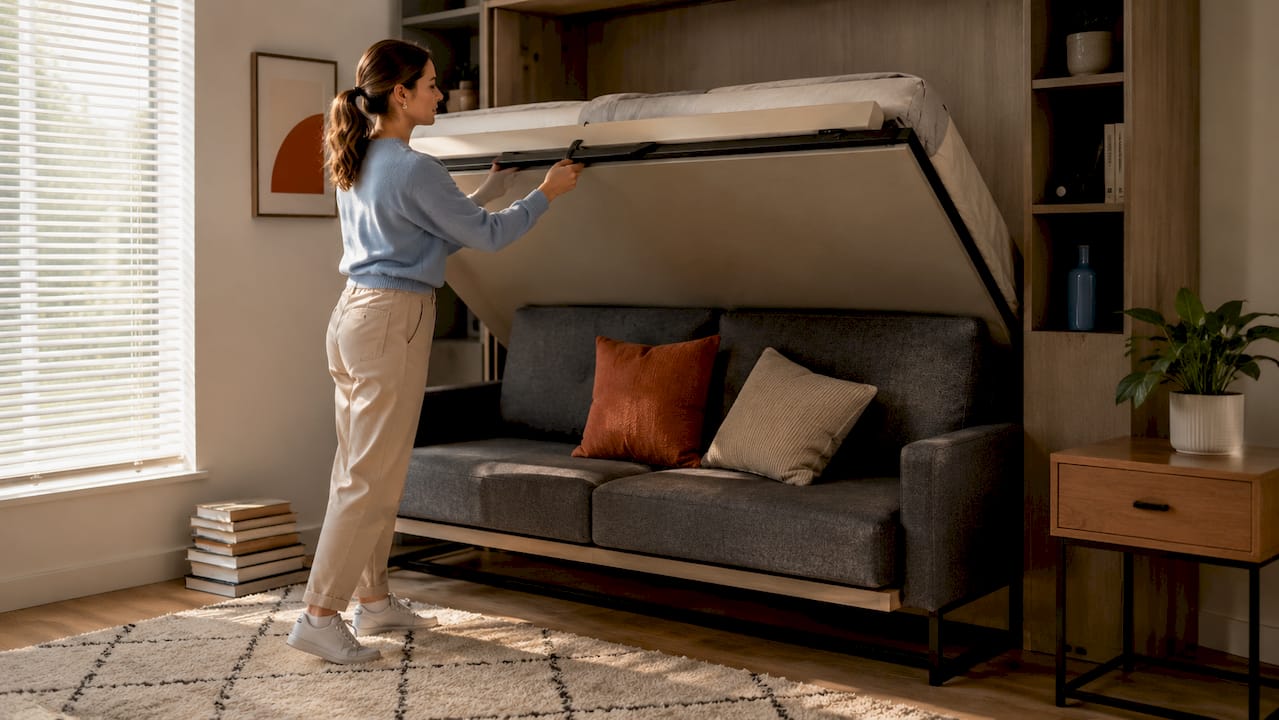
Sofa beds are another smart modern solution, especially in guest rooms, home offices, or multipurpose spaces. During the day, the room keeps its flexibility. At night, you still have a proper sleep setup. If the space is doing double duty, this is often the most efficient move.

For kids’ rooms, shared bedrooms, or compact family layouts, bunk beds and high sleepers can make far better use of vertical space. The room feels more open because sleeping space moves upward, leaving room below for storage, study, or play. The look should still feel clean and contemporary, not overly bulky.

Adjustable beds can work in a smaller room too, though they are more dependent on layout. If comfort is the priority and the room is primarily for sleep rather than storage, an adjustable base can be worth the footprint. You just need to make sure surrounding furniture does not interfere with movement.

Size matters, but proportion matters more

One of the most common mistakes in small bedrooms is focusing only on bed size without thinking about the frame around it. A full-size mattress on a slim frame may fit better than a twin on an oversized upholstered bed with thick wings and a deep headboard. Dimensions on the product page matter, but so does the visual bulk.

If you are trying to maximize floor space, look closely at how much larger the bed frame is than the mattress itself. A compact modern design with tight edges and a minimal base can save valuable inches. That may not sound like much, but in a small room, a few inches can be the difference between an easy walkway and a cramped one.

Height also plays a role. Lower beds often feel less imposing and can make the ceiling appear taller. On the other hand, a slightly higher frame with underbed storage may give you better function overall. This is one of those cases where it depends on what the room lacks most.

How to keep a small bedroom looking open

The bed is usually the biggest visual element in the room, so its finish has a major effect on how spacious the room feels. Light neutrals, soft grays, natural wood effects, and simple upholstered finishes tend to keep things airy. Darker frames can look striking and modern, but in a room with limited light, they may feel heavier.

Headboards deserve extra attention. A slim padded headboard can add comfort and style without stealing too much space. Tall, deeply tufted, or wide statement styles can be beautiful, but they work best when the rest of the room is restrained. If your bedroom is already short on wall space, a lower-profile headboard may feel more balanced.

Legged frames can help a room feel lighter because you see more floor beneath them. Fully grounded divan-style bases often deliver excellent practicality, but they create a more solid block of furniture. Neither is wrong. It comes down to whether you want visual openness or maximum integrated function.

Storage changes the whole buying decision

When space is tight, a bed without storage often means you will need additional furniture somewhere else. That can lead to a crowded bedroom with too many competing pieces. In many homes, choosing a storage bed is less about convenience and more about avoiding a second purchase.

Ottoman beds are especially appealing because they offer a clean modern look while hiding a surprisingly generous amount of storage. They are ideal for spare bedding, clothes you rotate by season, shoes, or even items that would otherwise live in hallway closets. For many shoppers, that turns the bed into the hardest-working piece in the room.

If lifting storage every day sounds inconvenient, drawer beds may suit you better. If the room is too narrow to pull drawers out comfortably, an ottoman base is usually the more practical pick. This is where measuring clearance around the bed matters just as much as measuring the bed itself.

Style still matters in a compact room

A small bedroom should not feel like the place where style gets cut back. In fact, a strong modern bed can make the whole room feel more considered. Clean lines, textured fabric, matte finishes, and understated detailing all help create that polished look without adding clutter.

The key is restraint. If the bed has a bold shape or a rich upholstered finish, keep surrounding furniture simpler. If the room already includes patterned wallpaper, darker paint, or statement lighting, a quieter bed frame may create better balance. Contemporary style works best when every piece has room to breathe, even in a compact layout.

This is also where buying from a retailer with broad bedroom choice helps. It is easier to create a coordinated look when your bed, mattress, and storage furniture all sit in the same design language. Brays UK leans into that kind of easy comparison, which is exactly what busy online shoppers need when they are trying to make a small room work quickly and well.

What to check before you buy

Before committing to a bed, measure more than the sleeping area. Check door swings, window placement, radiator positions, and how much space you need to walk around the frame comfortably. If the bed includes drawers or lifts from the side or end, account for that movement too.

Think about mattress depth as well. A very deep mattress on a high base can make a compact room feel crowded and can throw off the proportions of the headboard. If you are pairing a storage bed with a new mattress, look at the overall finished height rather than choosing each item in isolation.

It is also worth considering delivery access, especially in apartments or older homes with tighter staircases. A bed that arrives in manageable parts is often far easier to live with than one that creates stress before it even reaches the bedroom.

The right small-room bed does not just fit the measurements. It makes the room easier to use, better to look at, and more comfortable day after day. Choose the design that solves the biggest pressure point in your space, and the whole bedroom starts to feel bigger than it is.

Best Storage Bed for Apartments: What to Pick

Best Storage Bed for Apartments: What to Pick

A bed that looks great in a small apartment but leaves nowhere to stash spare bedding, off-season clothes, or those extra pillows you swear you need is not doing enough. The best storage bed for apartments should earn its footprint, giving you a strong visual anchor for the room while quietly taking pressure off closets, dressers, and hallway storage.

That is why this is less about chasing one perfect style and more about choosing the right type of storage bed for how your apartment actually works. A studio has different demands than a one-bedroom. A walk-up with tight corners changes what can be delivered and assembled comfortably. And if your bedroom doubles as your work zone, guest room, or catch-all for everything that does not fit anywhere else, storage needs to be built into the bed from the start.

What makes the best storage bed for apartments?

In an apartment, every large piece of furniture has to justify itself. A standard bed frame can look smart, but a storage bed adds function without asking for extra square footage. That is the appeal. You are not squeezing in another cabinet or overfilling a closet. You are making better use of the space already taken by the bed.

The best option usually balances four things: storage capacity, ease of access, visual weight, and room layout. Some beds maximize hidden storage under the mattress, while others offer drawers that are easier to reach daily. Some feel sleek and light, which works well in smaller rooms, while others have a more substantial presence that suits a larger apartment bedroom.

Style still matters. Apartment shoppers often want furniture that feels contemporary rather than purely practical, and rightly so. A storage bed sits at the center of the room. It has to support the look you want, whether that is clean upholstered lines, a modern paneled headboard, or a simpler low-profile frame that keeps the room feeling open.

Ottoman vs drawer beds for apartment living

This is usually the first decision, and it shapes everything else.

Ottoman storage beds

An ottoman bed lifts from the base to reveal a large storage compartment underneath the mattress. For many apartment layouts, this is the strongest all-around choice because it uses the full footprint of the bed. You get deep, hidden storage without needing clearance at the sides for drawers to open.

That last point matters more than people expect. In a compact room, you may only have a narrow gap between the bed and the wall, dresser, or nightstand. If drawers cannot fully open, that storage becomes frustrating fast. An ottoman design avoids that problem and creates one large, flexible space for bulkier items such as comforters, suitcase sets, winter layers, or extra linens.

The trade-off is access. Ottoman storage is brilliant for items you do not need every morning. It is less convenient if you want to grab something quickly every day, especially if the bed is fully made and layered with cushions or a heavy comforter.

Drawer storage beds

Drawer beds work well when you want more organized, grab-and-go storage. They are practical for clothing, accessories, spare sheets, or anything you prefer to separate into sections. If your apartment bedroom has enough clearance around the frame, side or foot-end drawers can feel more convenient than lifting the entire mattress base.

The catch is layout. Drawer beds need room to function properly, and in tighter apartments that can be the deal-breaker. If your bed sits close to a wall, one side may become unusable. For some shoppers, that is still worthwhile. For others, it means paying for storage they cannot use comfortably.

The right size matters more than you think

A bigger bed is tempting, especially if you are upgrading your space and want a more luxurious feel. But in apartment bedrooms, size mistakes are expensive in both cash and comfort.

A full or queen-size storage bed is often the sweet spot for apartment living. It gives enough sleep space for singles or couples while still leaving room to move around, add nightstands, or fit in a wardrobe without making the room feel crowded. King-size storage beds can work in larger apartments, but they need generous clearance and a balanced room layout. Otherwise, the bed dominates the room and the storage benefit starts to feel offset by the lack of breathing room.

Think beyond mattress dimensions. Measure the full external size of the frame, the height of the headboard, and the clearance needed to open drawers or lift the ottoman base. If the room has angled ceilings, radiators, or awkward door swings, those details matter just as much as the bed size itself.

How to choose a storage bed that keeps a small room stylish

The best apartment furniture works hard without looking heavy-handed. A storage bed should never make the room feel boxed in.

If your bedroom is compact, look for details that visually lighten the frame. Soft upholstered finishes in neutral shades, simple headboards, and cleaner silhouettes tend to feel more spacious than bulky traditional frames. Low-profile shapes can also help, especially in rooms with lower ceilings.

That said, hidden storage does not mean you have to settle for plain. Contemporary storage beds now come in designs that feel polished and design-led, from plush fabric finishes to statement headboards that add personality without creating clutter. If the rest of the room is simple, the bed can carry more visual interest. If you already have bold wall color, standout lighting, or patterned textiles, a more understated storage bed often creates a better balance.

Texture is another smart tool in apartment bedrooms. Upholstered beds soften the room and can make a practical frame feel more premium. Wood-effect finishes can add warmth and structure. The right material depends on the mood you want, but it should also fit your daily reality. If you want an easy-care option in a busy household, practicality should win over trend-led details that need constant upkeep.

Storage needs change from one apartment to another

A storage bed for a studio apartment is doing a different job than one in a larger home. In a studio, the bed often replaces furniture you simply do not have room for. That makes maximum-capacity ottoman storage especially appealing. You may be storing clothes, bedding, paperwork, and occasional-use items all in one place, so depth matters.

In a one-bedroom apartment, the storage bed may be more about reducing visual clutter and freeing up closet or dresser space. Drawer beds can make sense here if the room layout allows them, particularly if you want quicker access to everyday essentials.

Guest rooms and multifunctional spaces call for another approach. If the bed is not used every night, underbed storage becomes a smart way to keep the room flexible without adding more case goods. A stylish storage bed can make the room feel finished while still serving a very practical purpose.

Features worth paying for

Not every storage bed offers the same quality, and this is one category where construction matters. A bed that lifts smoothly, closes securely, and feels solid over time is worth the investment.

A supportive base is essential, especially if you are pairing the frame with a mattress you want to keep in good condition. Upholstery finish, headboard comfort, and the feel of the lift mechanism all shape day-to-day satisfaction. If you are shopping online, look closely at how the storage opens, what the internal depth looks like, and whether the design suits your room access.

Assembly is also part of the buying decision, particularly in apartments with narrow stairs or tight entryways. Flat-packed delivery can be a real advantage, but it still helps to check how manageable the pieces will be in your building. A stylish bed at a great price loses some appeal if getting it upstairs becomes a battle.

For many shoppers, reassurance matters as much as design. Clear product details, secure checkout, and confidence around delivery and returns can make buying larger furniture online feel far more straightforward. That is part of the appeal of shopping with a specialist retailer such as Brays UK, where bed styles, sizes, and practical features are easier to compare in one place.

So which storage bed is best?

If you want the shortest answer, the best storage bed for apartments is usually an ottoman bed in a size that leaves your room enough breathing space. It gives you the most usable hidden storage and tends to work better in tighter layouts where drawers would be awkward.

But that is not always the full answer. If you need quick daily access and your bedroom has enough clearance, a drawer storage bed may suit your routine better. If your priority is keeping the room feeling light and contemporary, focus on a simpler upholstered design with clean lines. If your apartment lacks closets entirely, go for maximum capacity before anything else.

The smart buy is the one that solves the problem your apartment actually has. When the bed adds storage, supports your layout, and still looks right in the room, it stops feeling like a compromise and starts feeling like the piece that makes the whole bedroom work better.

Choose with your floor plan in mind, not just the product photo, and you will end up with a bed that does more than save space. It will make the room easier to live in every single day.

Best Adjustable Bed for Back Pain

Best Adjustable Bed for Back Pain

Waking up with a stiff lower back can make even a stylish bedroom feel less inviting. If you are shopping for the best adjustable bed for back pain, the real goal is not just a bed that moves – it is a setup that supports your spine, eases pressure, and still fits the way you want your bedroom to look and function.

What makes an adjustable bed better for back pain?

An adjustable bed changes your sleeping position in a way a standard flat frame simply cannot. By raising the head, lifting the legs, or doing both together, it can help reduce strain through the lower back and create a more supportive posture for rest, reading, or watching TV before sleep.

For many people, the sweet spot is a slightly elevated head and knee position. This takes pressure off the lumbar area and can feel noticeably more comfortable than lying completely flat. It is one reason adjustable beds have moved beyond specialist medical use and into modern bedrooms where comfort and everyday practicality matter just as much as appearance.

That said, not every model will feel like the best adjustable bed for back pain. The base, mattress, controls, and range of motion all affect how well it actually performs night after night.

The features that matter most

The first thing to look at is how precisely the bed adjusts. A basic model that only offers limited movement may still help, but a bed with smoother articulation and more flexible positioning gives you a better chance of finding the angle that works for your body. Back pain is personal. What feels supportive to one sleeper may feel awkward to another.

Mattress compatibility is just as important. Even an excellent adjustable base will fall short if the mattress is too rigid to bend properly or too soft to hold you in a healthy position. Memory foam and many hybrid mattresses tend to pair well with adjustable frames because they contour without fighting the movement of the base.

Remote control design also deserves more attention than it usually gets. If you are adjusting position during the night or first thing in the morning, you want controls that are simple, responsive, and easy to understand. Preset positions can be especially useful if you know there is one angle that consistently helps your back feel better.

Noise level is another practical detail. A quiet motor makes the whole experience feel more refined, particularly if you share the bed and do not want every adjustment to wake your partner.

Choosing the best adjustable bed for back pain and your sleep style

The right bed depends on how your back pain shows up. If your discomfort is mainly in the lower back, a model that allows gentle knee elevation can be especially helpful because it reduces pull on the lumbar spine. If your pain gets worse when you lie fully flat, a stronger upper-body incline may make a bigger difference.

Side sleepers often need a bit more pressure relief through the shoulders and hips, so the mattress matters heavily here. Back sleepers usually benefit from balanced support and subtle elevation rather than extreme angles. Combination sleepers should focus on flexibility – both in the base and in the mattress – so the bed still feels comfortable when positions change through the night.

Couples have another layer to think about. If one person needs a raised position and the other prefers flat support, a dual adjustable option can be worth considering. It gives each sleeper more control and avoids the compromise that can come with one shared setting.

Why the mattress can make or break the setup

It is easy to focus on the base because that is the adjustable part, but the mattress is where support is actually felt. For back pain, you want enough cushioning to relieve pressure without losing alignment.

A mattress that is too soft may let the hips sink too far, which can aggravate the lower back. One that is too firm may create pressure points and stop the body from settling comfortably into the adjusted position. Medium to medium-firm is often a reliable starting point, but weight, sleep position, and personal preference all play a role.

Thickness matters too. Very thick mattresses can sometimes be less responsive on an adjustable frame, while very thin ones may not provide enough comfort. The best balance is usually a flexible mattress with enough depth to feel supportive and substantial without resisting movement.

If you are replacing both the bed and the mattress, it makes sense to treat them as one sleep system rather than two separate purchases. That usually leads to a better result than trying to force an old mattress onto a new adjustable base.

Design still matters in a modern bedroom

Back support is the priority, but most shoppers do not want to turn their bedroom into something clinical. The good news is that modern adjustable beds have come a long way in both style and finish. Clean-lined bases, contemporary upholstered surrounds, and sleek headboards make it easier to get the comfort benefits without compromising the overall look of the room.

This matters more than people sometimes admit. When you are investing in a bed, you want it to feel like part of a thoughtfully designed home, not just a functional fix. That is where shopping a broader bedroom range can help. If you can compare bed styles, mattress types, and coordinating furniture in one place, the whole buying process becomes simpler and more confidence-led.

Common mistakes shoppers make

One of the biggest mistakes is buying based on features they may never use. Massage functions, USB ports, under-bed lighting, and app controls can all be appealing, but they are not what makes a bed good for back pain. Start with core support, mattress compatibility, and ease of adjustment. Extras should come after that.

Another common mistake is overlooking size. A bed that is too small can make it harder to settle into a comfortable position, especially if two people share it. On the other hand, going larger means checking that the room still has enough space to feel balanced and practical.

People also sometimes assume a more expensive bed automatically means better back support. Price can reflect motor quality, design, materials, or brand positioning, but it does not guarantee the bed will suit your body. The best choice is the one that combines the right support profile with the features you will actually use.

What to look for when shopping online

Buying an adjustable bed online can feel like a bigger decision because you cannot test every position in person. That makes clear product information essential. Look for details on the range of movement, mattress suitability, construction quality, and whether the design is aimed at everyday bedroom use rather than specialist care environments.

It also helps to buy from a retailer that makes the process feel straightforward. Secure payment, reassuring returns terms, and reliable delivery all matter more when you are purchasing a higher-ticket item. A wide selection is useful too, because it lets you compare styles, sizes, and comfort options without bouncing between multiple stores.

For shoppers who want comfort, contemporary style, and a smoother path to purchase, that combination of choice and reassurance can make a real difference.

Is an adjustable bed always the right answer?

Not always. If back pain is caused by an unsuitable mattress, simply changing the mattress may be enough. If pain is persistent, severe, or getting worse, a bed should not be treated as a substitute for medical advice. And if you rarely use elevated positions, you may not get full value from an adjustable setup.

Still, for many people, an adjustable bed is one of the most practical bedroom upgrades they can make. It offers everyday comfort, adaptable support, and a more personalized sleep experience. For some, that means better rest. For others, it means less stiffness in the morning and a bed that works with their body instead of against it.

If you are weighing up the best adjustable bed for back pain, focus on the basics first – smooth adjustment, proper mattress pairing, dependable support, and a design you will be happy to live with. The right choice should feel like an upgrade in every sense: better comfort, better sleep, and a bedroom that still looks every bit as polished as it feels.