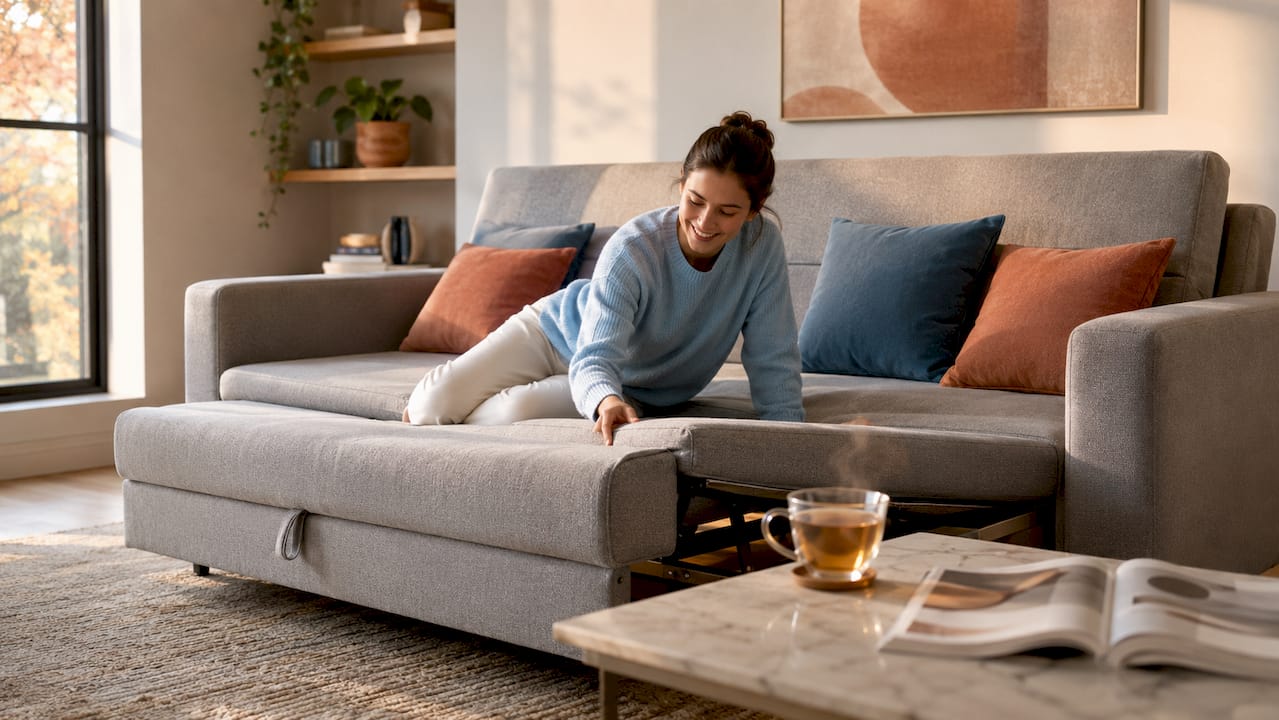
A sofa bed is defined as a dual-purpose piece of furniture that serves as both a comfortable sofa and a sleeping surface. The challenge is that most sofa beds fall short in at least one of those roles. The good news is that you can select a sofa bed without sacrificing style when you know exactly what to look for. This guide covers the key criteria: chic design, mattress technology, conversion ease, and the sizing pitfalls that catch most buyers off guard.
What are the key style and comfort factors in sofa beds?
The best sleeper sofas look chic and are comfortable enough for guests to want to stay another night. That dual standard is the benchmark worth holding every model to. Style alone is not enough. Comfort is the most important detail, and it should guide the purchase from the start.
Chic design elements worth prioritising
Elegant sofa bed styles share a few defining traits. Clean lines, low profiles, and considered upholstery choices make a sofa bed read as a deliberate design statement rather than a compromise. Architectural Digest notes that modern sleeper sofas now offer numerous upholstery options, from textured bouclé to smooth velvet, giving buyers genuine aesthetic range. The arm style also shapes the overall silhouette. Slimmer arms tend to read as more contemporary, while deeper arms add a sense of luxury.

Mattress technology and overnight comfort
Memory foam outperforms innerspring for overnight comfort in sofa beds. Memory foam contours to the body and masks the sensation of the underlying frame bars, which is the most common complaint from guests. Thicker mattresses feel more luxurious but create a practical problem: they may prevent the mechanism from closing fully. A mattress between 4 and 5 inches thick is the sweet spot for most standard fold-out frames.
Conversion mechanisms and usability
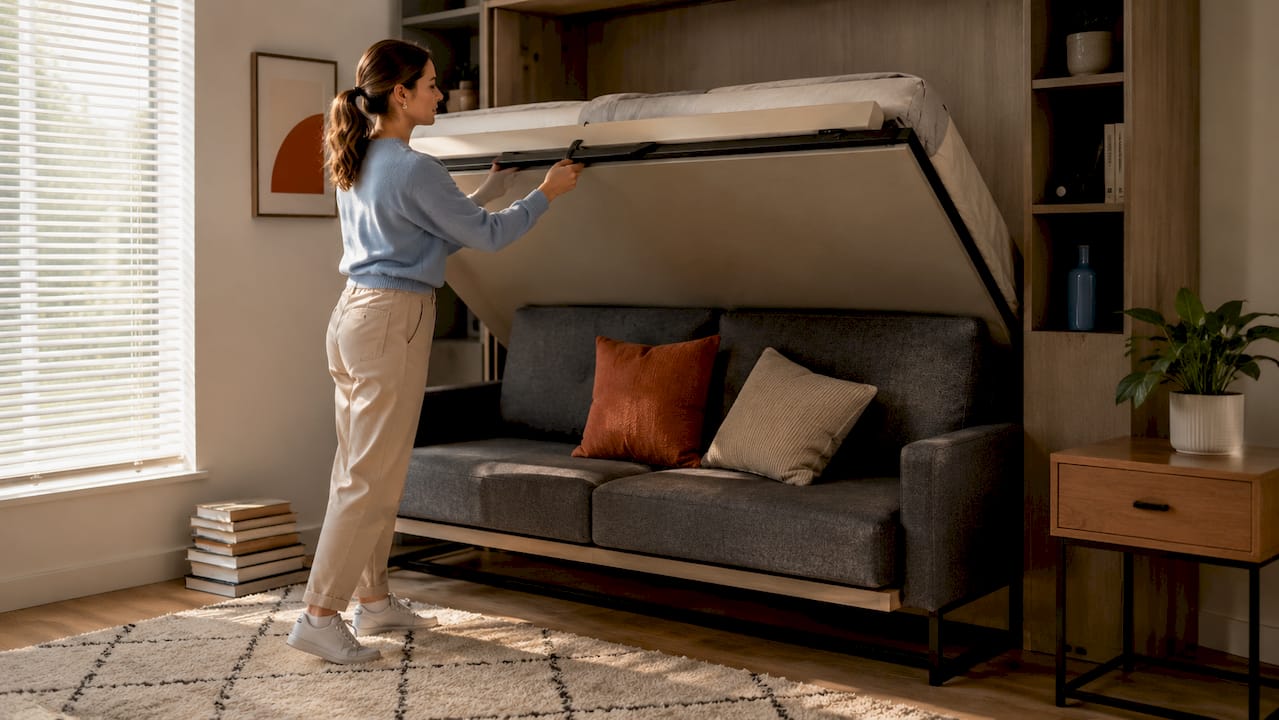
Smooth, quiet, and quick conversion is a non-negotiable feature for a sofa bed that earns its place in a living room. A mechanism that requires two people and significant effort will simply stop being used. Pull-out bar mechanisms are the most common, while click-clack and tri-fold designs suit compact spaces particularly well. Test the conversion in the showroom before committing.
Key style and comfort factors to assess before buying:
- Upholstery material: velvet and bouclé add elegance; performance fabrics add durability
- Arm profile: slim arms suit modern interiors; deep arms suit classic or transitional rooms
- Mattress type: memory foam for comfort; innerspring for a firmer feel
- Conversion mechanism: pull-out, click-clack, or tri-fold depending on available floor space
- Leg finish: brushed brass and matte black legs both complement contemporary sofa bed designs
Pro Tip: Visit a showroom and physically open and close the sofa bed at least twice. If it feels awkward or noisy in a showroom, it will feel worse at home.
How do mattress sizes and sofa mechanisms affect comfort and style?
Sofa bed mattress sizing is one of the most misunderstood details in the entire purchase process. A sofa bed labelled “queen” does not deliver a standard queen mattress. Sofa bed queen mattresses commonly measure around 60 inches by 72 or 74 inches, compared to the standard 60 by 80 inches. That 6 to 8 inch difference means standard queen bedding will not fit correctly, which creates a poor sleeping experience and a visually untidy bed.

| Sofa bed size | Typical mattress dimensions | Standard bed equivalent |
|---|---|---|
| Single | 75 cm x 185 cm | Close to UK single |
| Double | 135 cm x 185 cm | Slightly shorter than UK double |
| Queen (US models) | 152 cm x 183–188 cm | Shorter than standard queen |
| King | 180 cm x 185 cm | Shorter than UK king |
Accurate cavity measurements prevent ill-fitting bedding and increased discomfort. Measure the usable mattress cavity width and length when the frame is fully open, not just the mattress itself. The cavity dimensions determine which mattress toppers and fitted sheets will actually work.
The mechanism type also sets a hard limit on mattress thickness. Most standard pull-out frames accommodate mattresses up to 5 inches. Exceed that limit and the frame will not close cleanly, which ruins the sofa’s appearance and stresses the mechanism over time.
Pro Tip: Measure both the open mattress and the cavity frame before ordering bespoke fitted sheets or a topper. The two measurements are rarely identical.
Which sofa bed styles blend elegance with everyday usability?
Low-profile and modular sectional designs expertly blend elegance with everyday usability. These styles work particularly well in modern living rooms because they sit close to the floor, creating a grounded, considered aesthetic. Mid-century modern frames with tapered wooden legs are another strong choice, offering visual warmth without bulk. Modular sectionals are ideal for larger rooms where the sofa bed doubles as a statement piece.
Fabric choice carries as much weight as silhouette. Performance velvet delivers a luxurious appearance while resisting stains and pilling. Linen-look weaves suit Scandinavian and minimalist interiors. Leather and faux leather remain popular for their ease of cleaning, though they can feel cold in winter without the addition of throws and cushions.
Style considerations for choosing a chic sofa bed:
- Silhouette: low-profile frames read as contemporary; high-backed frames suit traditional rooms
- Upholstery colour: neutral tones (stone, slate, charcoal) offer longevity; jewel tones make a bolder statement
- Leg material: solid wood legs add warmth; metal legs add an industrial or modern edge
- Cushion arrangement: scatter cushions in complementary textures elevate the sofa’s daytime appearance
- Scale: the sofa bed should occupy no more than two thirds of the primary wall it sits against
Ease of cleaning is a practical style factor that buyers routinely underestimate. A sofa bed that looks beautiful but cannot be spot-cleaned will show wear quickly. Removable, washable covers are a genuine advantage for households with children or pets. For guidance on choosing a comfort and style sofa, the proportions and upholstery principles that apply to standard sofas translate directly to sofa beds.
What steps keep a sofa bed stylish and comfortable long term?
Regular cleaning and bespoke fitted sheets tailored to sofa bed dimensions improve comfort and preserve the piece’s appearance over time. Standard fitted sheets bunch and slip on shorter sofa bed mattresses, creating an untidy look and a disrupted sleep surface. Ordering sheets cut to the actual mattress dimensions solves both problems at once.
A memory foam topper adds cushioning and masks frame bars without preventing the mechanism from closing, provided it is no thicker than 2 inches. Pair it with a fitted sheet designed for the combined depth and the sleeping surface becomes genuinely inviting.
| Maintenance task | Benefit |
|---|---|
| Bespoke fitted sheets | Prevents slipping and creates a neat, finished look |
| Memory foam topper (max 2 inches) | Masks frame bars and improves overnight comfort |
| Monthly mechanism inspection | Catches stiffness or wear before it becomes a fault |
| Cushion rotation | Prevents uneven compression and maintains the sofa’s shape |
| Spot cleaning upholstery | Preserves fabric colour and texture between deep cleans |
Styling the sofa bed as a living room focal point requires restraint. Limit scatter cushions to three or five (odd numbers read as more natural). Choose a throw that complements the upholstery colour rather than matching it exactly. For further inspiration on styling a sofa as a focal point, the same principles of proportion and colour balance apply directly.
Key takeaways
Selecting a stylish and comfortable sofa bed requires equal attention to design, mattress technology, mechanism ease, and accurate sizing before any purchase decision is made.
| Point | Details |
|---|---|
| Comfort leads the decision | Memory foam mattresses outperform innerspring for overnight guest comfort in sofa beds. |
| Sizing is not standard | Sofa bed queen mattresses are typically 6–8 inches shorter than standard queen beds. |
| Mechanism type matters | The frame mechanism sets a hard limit on mattress thickness and affects closing ease. |
| Style and function align | Low-profile and modular designs deliver both contemporary aesthetics and practical usability. |
| Maintenance preserves both | Bespoke fitted sheets and monthly mechanism checks protect comfort and appearance long term. |
The sofa bed mistake most buyers make
The single most common error I observe is choosing a sofa bed on looks alone and discovering the mechanism is awkward within the first month. A beautiful frame with a stiff or noisy pull-out becomes furniture that guests dread using. The conversion experience is as much a part of the design as the upholstery.
What has shifted noticeably in 2026 is that manufacturers have genuinely improved mechanism quality at mid-range price points. You no longer need to spend at the very top of the market to get a smooth, quiet fold-out. The real skill is cross-referencing aesthetics with support, softness, and conversion ease rather than treating them as separate concerns.
Small spaces do not require style compromises either. A well-chosen compact sofa bed in a considered fabric can anchor a room more confidently than an oversized standard sofa. The key is accurate measurement before purchase and realistic expectations about mattress depth. Hands-on testing remains irreplaceable. No photograph or specification sheet tells you how a mechanism feels at midnight when a guest is trying to be quiet.
— V
BraysUK’s curated sofa beds for style-conscious homes
BraysUK brings together a considered collection of sofa beds that refuse to treat style and comfort as a trade-off. Each piece is selected for its quality of construction, elegance of design, and the kind of everyday reliability that makes multifunctional furniture genuinely worth owning.

Whether you are furnishing a compact flat or a generously proportioned living room, BraysUK offers sofa bed options that complement contemporary interiors without compromising on the sleeping experience. For those working with limited square footage, the guide to multifunctional furniture for small spaces is an excellent starting point. If you want to understand how modern furniture styles can harmonise with a sofa bed choice, the homeowner’s guide to modern styles offers clear, practical direction.
FAQ
What makes a sofa bed stylish and comfortable?
The best sofa beds combine chic upholstery, a considered silhouette, and a memory foam mattress with a smooth conversion mechanism. Testing confirms that aesthetics and overnight comfort must both be present for a sofa bed to succeed.
Are sofa bed mattress sizes the same as standard bed sizes?
No. Sofa bed queen mattresses typically measure around 60 by 72 or 74 inches, which is shorter than the standard 60 by 80 inch queen. Always measure the cavity before ordering bedding or a topper.
How thick should a sofa bed mattress be?
A mattress between 4 and 5 inches thick suits most standard pull-out frames. Exceeding that thickness risks preventing the mechanism from closing fully, which damages both the frame and the sofa’s appearance.
Can a sofa bed work as a living room focal point?
Yes. Low-profile frames in performance velvet or linen-look weaves read as deliberate design choices rather than compromises. Limit scatter cushions to odd numbers and choose a complementary throw to complete the look.
How often should a sofa bed mechanism be inspected?
A monthly check for stiffness, unusual noise, or visible wear is sufficient for regular use. Catching minor issues early prevents costly repairs and preserves the smooth conversion experience that defines a well-chosen sofa bed.