
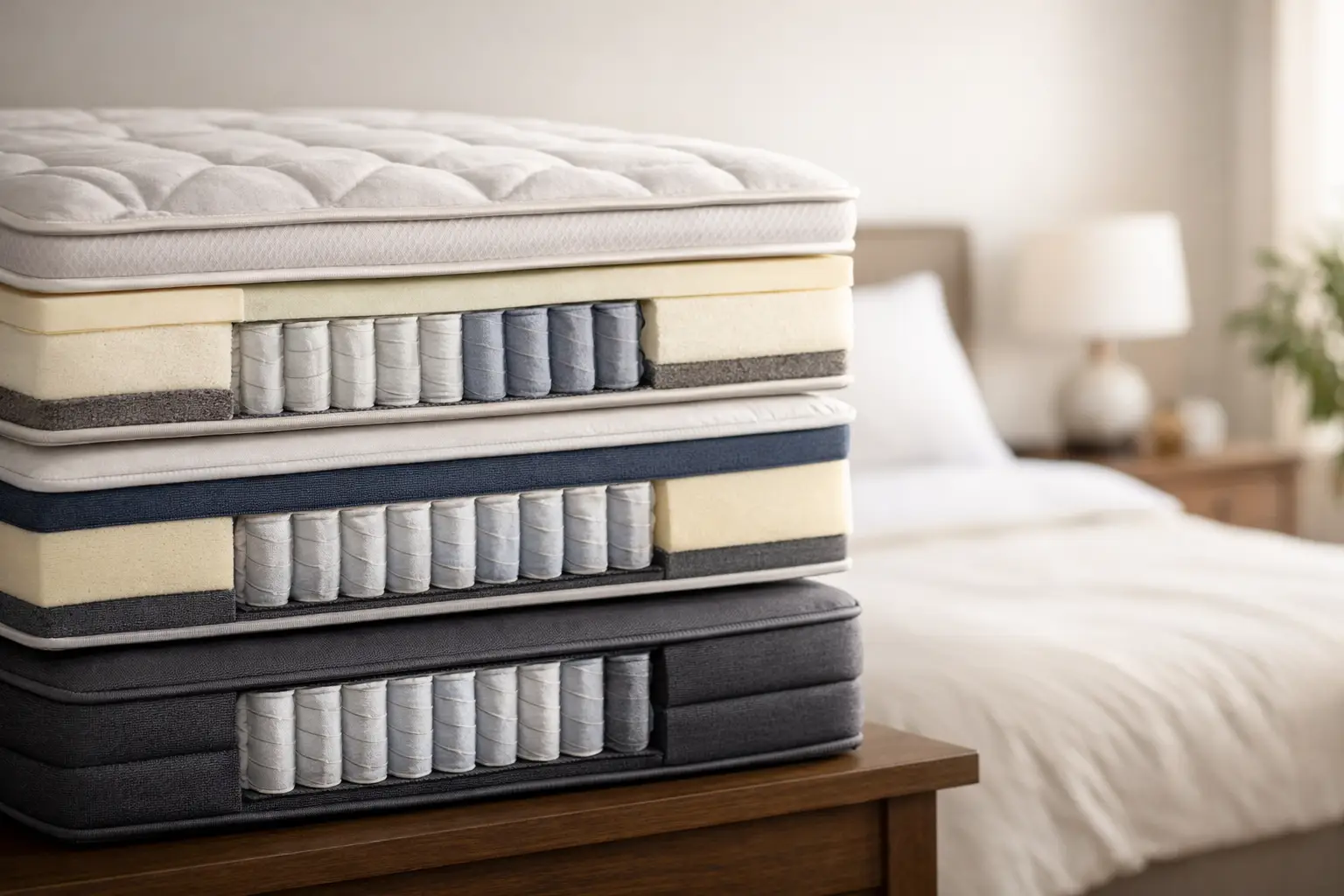
Choosing a mattress gets confusing fast when every option claims to be supportive, pressure relieving, and designed for better sleep. A practical guide to mattress comfort levels makes that decision much easier, because comfort is not just about whether a bed feels soft or firm for 30 seconds in a showroom. It is about how the mattress responds to your body night after night, how it supports your sleep position, and whether the feel still suits you after the novelty wears off.
If you are comparing modern mattresses online, comfort level is one of the quickest ways to narrow the shortlist. But it only helps if you know what the labels actually mean.
What mattress comfort levels really mean
Mattress comfort level describes the initial feel of the sleep surface and how much cushioning you notice when you lie down. Most mattresses are grouped into soft, medium soft, medium, medium firm, and firm. Some brands simplify this even further, but the idea stays the same – it is a scale of feel, not a fixed measure of quality.
That distinction matters. A softer mattress is not automatically more luxurious, and a firmer mattress is not automatically better for your back. The right choice depends on your body weight, sleeping style, and personal preference. Comfort is subjective, but support still needs to be there underneath the comfort layers.
A good mattress usually balances both. The top layers provide pressure relief and a welcoming feel, while the core keeps your spine in a healthier alignment. If either part is off, the mattress can feel great for a few minutes and wrong by morning.
A guide to mattress comfort levels by feel
Soft
A soft mattress has more sink-in and a plusher surface feel. It often suits side sleepers who want extra cushioning around the shoulders and hips, especially lighter-weight sleepers who may not press deeply into firmer models.
The trade-off is that soft comfort can feel less stable for some people. Stomach sleepers and heavier sleepers often find that they sink too far, which can throw the lower back out of alignment. If you like a cloud-like top layer, soft can be appealing, but it needs enough support below to avoid that swallowed-up feeling.
Medium soft to medium
This is where many shoppers land. Medium and medium soft mattresses tend to offer a more balanced feel – enough contouring for pressure points, with enough pushback to keep the body supported. Couples often prefer this range because it can work reasonably well for two different body types and sleeping positions.
Medium is also a practical choice if you change positions during the night. It usually feels more adaptable than very soft or very firm models. If you are unsure where to start, medium is often the safest comparison point.
Medium firm
Medium firm is one of the most popular comfort levels for a reason. It usually gives a flatter, more supportive surface than medium, but still includes enough cushioning to avoid feeling hard. Back sleepers often do well here, and combination sleepers frequently like the balance of comfort and stability.
For shoppers who want a mattress that feels supportive without going fully firm, this category can be the sweet spot. It is especially useful if you want a streamlined, contemporary bed setup that looks stylish but still needs to deliver practical all-night comfort.
Firm
A firm mattress has less sink and a more lifted feel. Some back and stomach sleepers prefer it because it can help keep the hips from dipping too low. Heavier sleepers may also find that firm models offer better long-term support and feel more durable under greater pressure.
That said, firm is not for everyone. Side sleepers often find it too unyielding around the shoulders and hips, which can lead to pressure buildup rather than relief. Firm should feel supportive, not rigid.
How sleeping position affects comfort level
Your preferred sleeping position has a huge impact on which comfort level feels right.
Side sleepers usually need more cushioning. The shoulder and hip press more deeply into the mattress, so a soft to medium feel often works better. If the surface is too firm, those areas take the pressure and comfort drops quickly.
Back sleepers usually need a more balanced feel. A medium to medium firm mattress often helps support the natural curve of the spine while still giving enough comfort through the upper back and hips. Too soft, and the body can sink unevenly. Too firm, and the mattress may not contour enough.
Stomach sleepers generally do better with medium firm to firm comfort. This helps keep the midsection from dipping too much, which can strain the lower back. If you sleep partly on your stomach and partly on your side, the best choice may sit in the middle rather than at either extreme.
Combination sleepers need versatility. If you move around a lot at night, a mattress that is too plush can make changing position harder, while one that is too firm can feel unforgiving. Medium or medium firm usually works best here.
Body weight changes the feel
One of the biggest reasons mattress reviews can seem inconsistent is simple – comfort level feels different depending on body weight.
Lighter sleepers often experience mattresses as firmer because they do not compress the top layers as much. A mattress labeled medium might feel closer to medium firm for someone with a lighter build.
Average-weight sleepers usually get the most accurate version of the advertised comfort feel. This is why so many mattress descriptions seem centered around medium and medium firm.
Heavier sleepers often experience more sink, so a medium mattress may feel softer in real use. In many cases, a firmer comfort level provides the better balance of cushioning and support over time.
This is why there is no universal best mattress comfort. The label on the product page matters, but how your body interacts with it matters more.
Mattress materials also shape comfort
Comfort level is not only about firmness. The materials inside the mattress change how that firmness is delivered.
Memory foam tends to contour closely and absorb movement well. A medium memory foam mattress may feel softer than a medium pocket spring model because of the way it hugs the body. This can be great for pressure relief, but some sleepers prefer a more lifted sensation.
Pocket spring mattresses usually offer a more responsive feel. They can still be plush on top, but they often have a little more bounce and easier movement. If you dislike feeling stuck in bed, this construction may feel more natural.
Hybrid mattresses combine foam and springs, which is why they appeal to so many shoppers. They often deliver a modern balance of comfort, support, and movement. If you want cushioning without losing structure, hybrid is often worth a closer look.
Latex-style comfort layers tend to feel springier and cooler than traditional memory foam. They can suit shoppers who want pressure relief with a bit more responsiveness.
Common mistakes when choosing comfort level
The first mistake is choosing based on a quick hand test or a few minutes sitting on the edge. Mattresses are designed to support your full body in a lying position, so surface softness alone tells you very little.
The second is assuming firm always means orthopedic or better for pain. Sometimes a mattress feels supportive at first because it is hard, but if it does not cushion pressure points properly, sleep quality can suffer.
The third is ignoring who else uses the bed. For couples, the best comfort level is often the one that works well enough for both people rather than perfectly for one. Medium and medium firm are popular for exactly that reason.
The fourth is focusing only on comfort and not on bed setup. Your bed frame, slat support, and even pillow choice can influence how a mattress feels in everyday use.
How to choose with more confidence
Start with your sleeping position, then factor in body weight and whether you prefer a more cushioned or more supportive feel. After that, look at mattress materials to refine the choice. This approach is much more reliable than shopping by marketing terms alone.
If you sleep on your side and like a softer, more enveloping surface, start around medium soft or medium. If you sleep on your back or switch positions, medium to medium firm is usually a smart zone. If you sleep on your stomach or need a more stable feel, medium firm to firm is often the better fit.
It also helps to think about how you want the bed to feel after an hour, not just in the first minute. A mattress should feel inviting, but it should also keep your body supported through the night. That balance is what turns a stylish bedroom upgrade into something you actually look forward to using.
When you are shopping online, the smartest move is not chasing the softest or firmest option. It is choosing the comfort level that fits your body, your sleep habits, and the kind of support you want to come home to every night.