
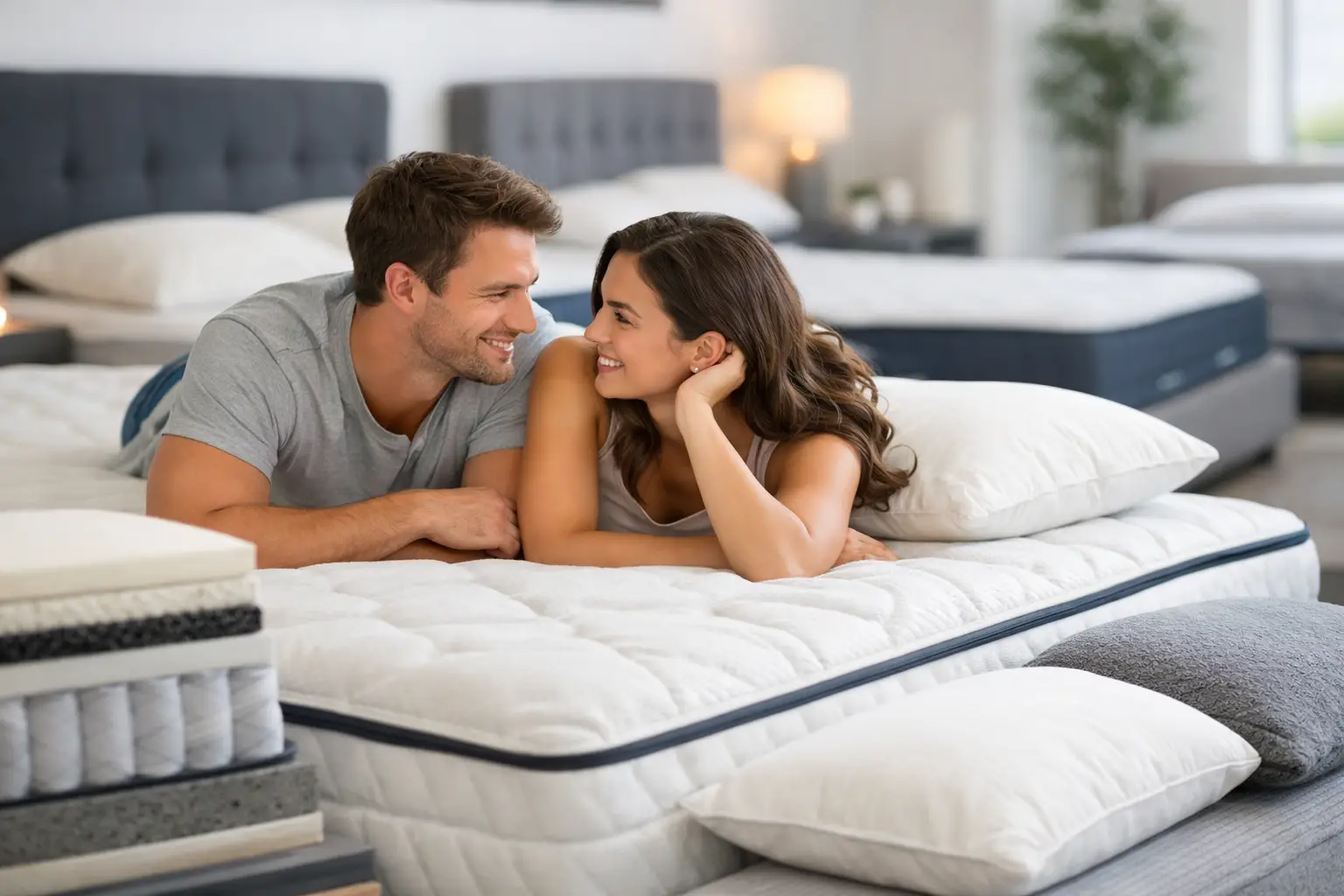
Sharing a bed can be cozy right up until one person sleeps hot, the other tosses and turns, and both wake up wondering if the mattress is the problem. The best mattresses for couples do more than feel comfortable for ten minutes in a showroom. They need to handle movement, support two bodies well, and make nightly compromises feel a lot less like compromises.
That is where the choice gets more specific than simply soft, medium, or firm. For couples, the right mattress usually comes down to four things: motion control, edge support, temperature regulation, and a feel that works for both sleepers. Style matters when you are updating a bedroom, but comfort is what decides whether you wake up rested or irritated.
What couples actually need from a mattress
A mattress for one person can be chosen around one sleep style. A mattress for two has to absorb a few more variables. Different body weights, different preferred sleep positions, and different ideas of what feels comfortable all change the decision.
Motion isolation is often the first issue couples notice. If one partner gets up earlier, changes position frequently, or simply moves a lot through the night, a springy mattress can transfer that movement across the bed. Memory foam and many hybrid designs usually perform better here because they absorb movement instead of bouncing it across the surface.
Edge support matters more than many shoppers expect. Couples tend to use the full width of the mattress, especially in smaller rooms where upgrading bed size is not always practical. A mattress with reinforced edges feels more stable and gives both sleepers usable space instead of that slight rolling-off sensation near the perimeter.
Temperature is another deciding factor. Two people create more body heat than one, and some mattress materials hold onto that warmth. If either sleeper tends to run hot, breathable construction becomes more than a nice extra. Open-cell foams, airflow layers, and hybrids with coil systems often feel fresher through the night than dense all-foam builds.
Then there is firmness. This is where most couples get stuck because what feels supportive to one person can feel too hard or too soft to the other. In many cases, medium to medium-firm is the most practical middle ground, but that is not a rule. A lighter side sleeper and a heavier back sleeper may need a mattress with a more responsive comfort layer and stronger core support to keep both comfortable.
Best mattresses for couples by mattress type
There is no single perfect mattress for every couple, but some constructions are more forgiving than others.
Memory foam mattresses
Memory foam is one of the strongest options for motion isolation. If one partner is a restless sleeper, this material can make a noticeable difference. It contours around the body and reduces the ripple effect that often comes with traditional spring mattresses.
The trade-off is heat. Some memory foam models can sleep warmer, particularly if they use denser foam layers and limited airflow. Newer designs often address this with cooling infusions or more breathable covers, but it is still worth checking if heat is already an issue in your bedroom.
Memory foam also suits couples who want a more cushioned, body-hugging feel. If you both like a mattress that molds around pressure points, especially at the shoulders and hips, it can be a strong fit.
Hybrid mattresses
Hybrid mattresses combine foam comfort layers with a coil support system, and for many couples, this is the most balanced category. You get better pressure relief and motion control than a traditional innerspring, along with more bounce, airflow, and edge stability than many all-foam mattresses.
This makes hybrids especially appealing when partners have different sleep preferences. One person may want contouring while the other wants easier movement and a less sink-in feel. A good hybrid can meet both somewhere in the middle.
For couples upgrading a modern bedroom, hybrids also tend to offer that premium feel people expect when they are investing in a full sleep setup rather than just replacing an old mattress in a hurry.
Pocket spring mattresses
Pocket spring mattresses can work very well for couples, especially when individual springs are designed to respond independently. That reduces motion transfer compared with older open-coil constructions and gives a more tailored feel across the sleep surface.
They also tend to feel breathable and supportive, which is useful for couples who prefer a mattress with a bit more lift. If you dislike the slow-response feel of memory foam, pocket spring models are often easier to move around on.
The main point to watch is comfort layering. A pocket spring mattress with minimal cushioning may feel too firm for side sleepers or for couples with different body types. A version with added foam or pillow-top comfort can create a better balance.
How to choose the best mattresses for couples
Start with the issue that causes the most disruption now. If one partner wakes the other constantly, prioritize motion isolation. If the mattress feels crowded, unstable, or too small, focus on size and edge support. If you both wake up warm, cooling features should move higher up your list.
Sleep position helps narrow the choice. Couples who both sleep on their backs or stomachs often prefer a firmer, more supportive feel. Couples who sleep on their sides usually need more pressure relief to cushion shoulders and hips. If one of you is a side sleeper and the other is a back sleeper, medium-firm often becomes the safest compromise.
Weight differences also matter. A mattress can feel firmer to a lighter sleeper and softer to a heavier one. When partners are in very different weight ranges, a hybrid with responsive support is often easier to share comfortably than a softer all-foam mattress.
Size deserves serious thought too. A full-size bed can feel tight for two adults, even if the mattress itself is excellent. Queen is the standard starting point for many couples, but king often delivers the biggest improvement in sleep quality simply because it gives each person more personal space. If your bedroom layout allows it, size can solve problems that firmness alone cannot.
Features worth paying for
Not every upgrade is worth the price, but some are genuinely useful for shared sleep.
Reinforced edges are worth having if you both use the full mattress surface or sit on the bed regularly. Zoned support can also help, especially if you want softer pressure relief near the shoulders and firmer support through the hips and lower back.
Cooling covers and breathable top layers can be a smart investment for couples, even if neither of you would describe yourselves as especially hot sleepers. Shared body heat changes how a mattress performs over a full night.
Removable covers, premium finishes, and design-led details are also attractive when you are furnishing a bedroom with a more polished look in mind. A mattress may sit under bedding most of the time, but the overall feel of the sleep setup still matters when you are creating a space that looks as good as it feels.
When couples should not compromise
Some compromise is normal. Too much usually leads to poor sleep for both people.
If one partner has chronic back pain, significant pressure-point discomfort, or a very specific support need, trying to split the difference on a single feel can backfire. In those cases, look more carefully at construction, support zones, and higher-quality hybrid options rather than simply choosing the middle firmness and hoping for the best.
Couples with very different temperature preferences may also need to prioritize airflow over deep contouring. Likewise, if one person moves a lot and the other wakes easily, motion isolation should outrank almost every other feature.
This is also where buying from a retailer with a broad mattress range matters. Being able to compare comfort types, sizes, and support styles in one place makes the process faster and less frustrating. For shoppers building out a full bedroom, Brays UK brings that same convenience to the wider setup, from bed frames to complementary furniture, so the room feels considered rather than pieced together.
The mattress that feels best for both of you
The best mattress for couples is rarely the softest, the firmest, or the most expensive. It is the one that makes shared sleep feel easy. That might mean a motion-absorbing memory foam model, a breathable pocket spring design, or a hybrid that gives you the ultimate combination of comfort and support.
If you are choosing for two, think less about mattress trends and more about what happens between bedtime and morning. Better sleep usually starts with fewer disturbances, better support, and enough room for both people to actually relax. Get those right, and the bedroom starts working the way it should.