
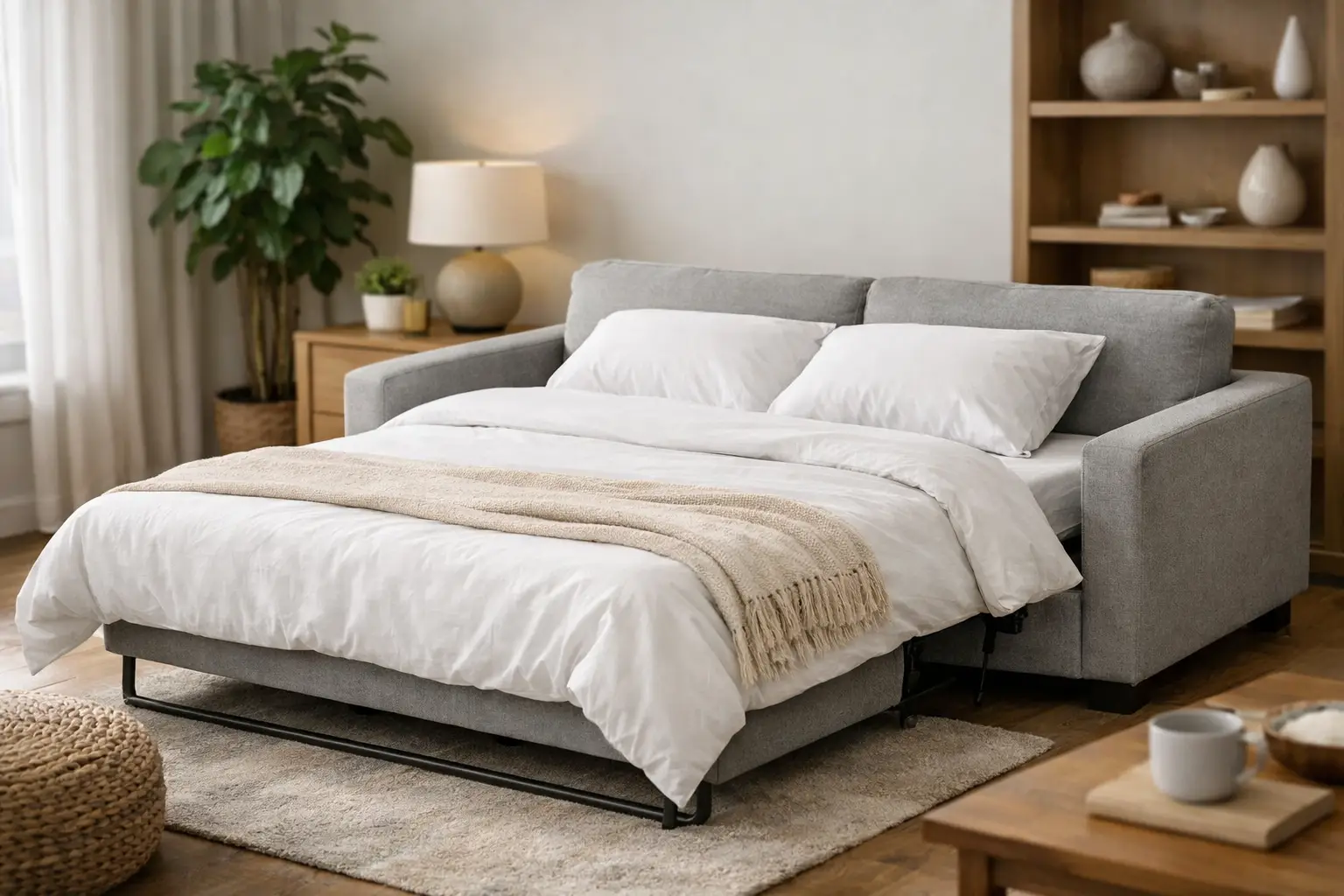
A sofa bed can save a room – or make it harder to live in every single day. The difference usually comes down to one thing: buying for the way you actually use your space, not for a showroom photo or a once-a-year sleepover.
That matters because sofa beds have a big job. They need to look polished in the daytime, feel comfortable when you sit down at night, and still offer a decent sleeping setup when guests stay over. For apartments, guest rooms, family homes, and multipurpose spaces, that mix of function and style is exactly what makes them such a smart buy. But not every model gets the balance right.
Why sofa beds are worth considering
A standard sofa only solves one need. A standard bed takes up permanent floor space. Sofa beds sit in the middle, which is why they work so well in homes where every room has to do more than one job.
If you have a guest room that doubles as a home office, a sofa bed makes the room more useful every day. If you live in a smaller apartment, it can turn your living area into a practical overnight space without making the room feel like a bedroom all week. For families, it is an easy way to add sleeping space without a full renovation or a larger home footprint.
There is also a style benefit. Modern sofa beds have moved well beyond the bulky, awkward designs people still remember. Clean-lined arms, compact silhouettes, textured upholstery, and contemporary finishes mean they can sit naturally in a modern living room instead of looking like a compromise.
What makes a good sofa bed?
The best sofa beds do three things well. They are comfortable to sit on, straightforward to open, and attractive enough to earn a permanent place in your room. If one of those elements is missing, you will feel it quickly.
Comfort starts with the seat construction and mattress design. A sofa that looks great but feels too firm for movie night will frustrate you long before anyone sleeps on it. On the other hand, a very soft seat can lose shape faster, especially in a busy household. For frequent use, supportive cushions and a sturdy frame usually give the best long-term result.
Ease of use matters more than many shoppers expect. A sofa bed that is difficult to pull out, heavy to lift, or awkward to fold away tends to become a feature you avoid. If you expect regular guests, the mechanism should feel smooth and manageable. That practical detail often matters more than a small difference in fabric or leg finish.
Then there is appearance. A good sofa bed should still feel like a proper sofa first. Look at the proportions, back height, arm style, and upholstery tone. If it complements the rest of your furniture, it becomes part of the room instead of a backup plan hidden in plain sight.
Choosing sofa beds for different rooms
The right model depends heavily on where it will live. A sofa bed for a main living room has different priorities than one in a guest room or vacation rental.
In a living room, everyday seating comfort usually comes first. This is the piece people will use most often, so focus on generous seat depth, supportive cushions, and a fabric that can handle regular wear. If your room has a clean, contemporary look, streamlined sofa beds with tailored upholstery keep the space polished while still adding flexibility.
In a guest room, sleeping comfort often takes priority. If the sofa will only be used for sitting occasionally, you can give more weight to mattress quality and sleeping dimensions. This is especially useful if guests stay for more than one night at a time.
In smaller spaces, scale becomes the deciding factor. A compact two-seater or click-clack design can make more sense than a larger pull-out frame. You may give up some mattress thickness, but you gain better movement around the room. It depends on whether the room needs to feel open every day or simply fit the maximum number of overnight guests.
Sofa bed types and the trade-offs
Not all sofa beds work in the same way, and each style comes with its own strengths.
Pull-out sofa beds are the classic option. They tend to offer a more bed-like sleep surface, which makes them appealing for guest use. The trade-off is that they need clearance in front when opened, and they are often heavier.
Click-clack and fold-flat designs are easier to operate and can suit tighter spaces. They often have a more modern, minimal look too. The compromise is that the sleeping surface may feel firmer or show the structure more clearly than a dedicated pull-out mattress.
Corner sofa beds are ideal if you want lounging space and occasional sleeping space in one piece. They are great for family rooms and open-plan layouts, especially when you want to maximize seating. Still, they need more floor area, so they are not always the best choice for narrow rooms.
Some models also include built-in storage, which can be a real advantage. Keeping bedding tucked inside the base makes overnight hosting much easier. If your home is short on linen closet space, that feature adds value fast.
Materials, upholstery, and day-to-day practicality
The fabric you choose affects more than the look. It changes how a sofa bed feels, how it wears, and how much maintenance it needs.
Soft woven fabrics are popular because they feel warm and relaxed while fitting into most modern interiors. They work especially well in family homes and casual living spaces. Velvet-style finishes can bring a more elevated look and richer texture, though they may show marks more easily depending on the pile and shade.
Faux leather can be easier to wipe down, which appeals in busy homes or rental properties, but it gives a different comfort profile. Some people like the sleek finish, while others prefer the softer, more inviting feel of fabric upholstery.
Color choice matters too. Lighter tones can brighten a room and feel current, but darker neutrals are often more forgiving. Gray, beige, charcoal, and soft earth tones tend to offer the easiest balance between contemporary style and practical everyday use.
Size matters more than you think
One of the most common mistakes is focusing on the closed sofa dimensions and forgetting the open bed size. A sofa bed may fit the wall perfectly but still become awkward once extended.
Measure the room carefully, including the clearance needed in front of the sofa and the surrounding walking space. Think about coffee tables, media units, rugs, and doors. The goal is not only to fit the piece but to make sure the room still functions when the bed is in use.
You should also think about who will sleep on it. A compact model may be fine for an occasional solo guest, but couples or taller sleepers will appreciate more width and length. This is where being realistic helps. Buying smaller to save a little floor space can backfire if the sleeping area feels cramped every time it is used.
How to shop smarter for sofa beds
When comparing options online, it helps to look past the main photo. Product details tell you far more about whether a sofa bed will suit your home.
Check the frame materials, opening mechanism, upholstery type, and dimensions in both sofa and bed form. If the sofa bed is for frequent use, give extra attention to support and construction. If it is mainly for occasional guests, style and compact design may carry more weight.
It also makes sense to buy from a retailer that takes the purchase journey seriously. Furniture is a considered buy, and reassurance matters. Clear product information, secure payment, reliable delivery, and a sensible returns policy all make the process feel more straightforward, especially when buying a larger piece online. That is part of why shoppers often look for broad, design-led ranges from retailers like Brays UK, where it is easier to compare style, function, and value in one place.
When a sofa bed is the right choice – and when it is not
A sofa bed is a strong option if you want flexibility without giving up style. It earns its place in guest rooms, home offices, apartments, and multifunctional living spaces. It is especially useful when you need practical sleeping space but do not want a room to feel overly fixed in one role.
Still, it is not always the best fit. If someone will sleep on it every night, a dedicated bed may offer better long-term comfort and support. If your room is already crowded, squeezing in a sofa bed with a large opening footprint can create more frustration than convenience. And if hosting guests is rare, a simpler occasional solution might be enough.
The best choice usually comes from matching the product to your routine, your layout, and your expectations. Get that right, and a sofa bed stops being a compromise. It becomes one of the hardest-working pieces in the house.