
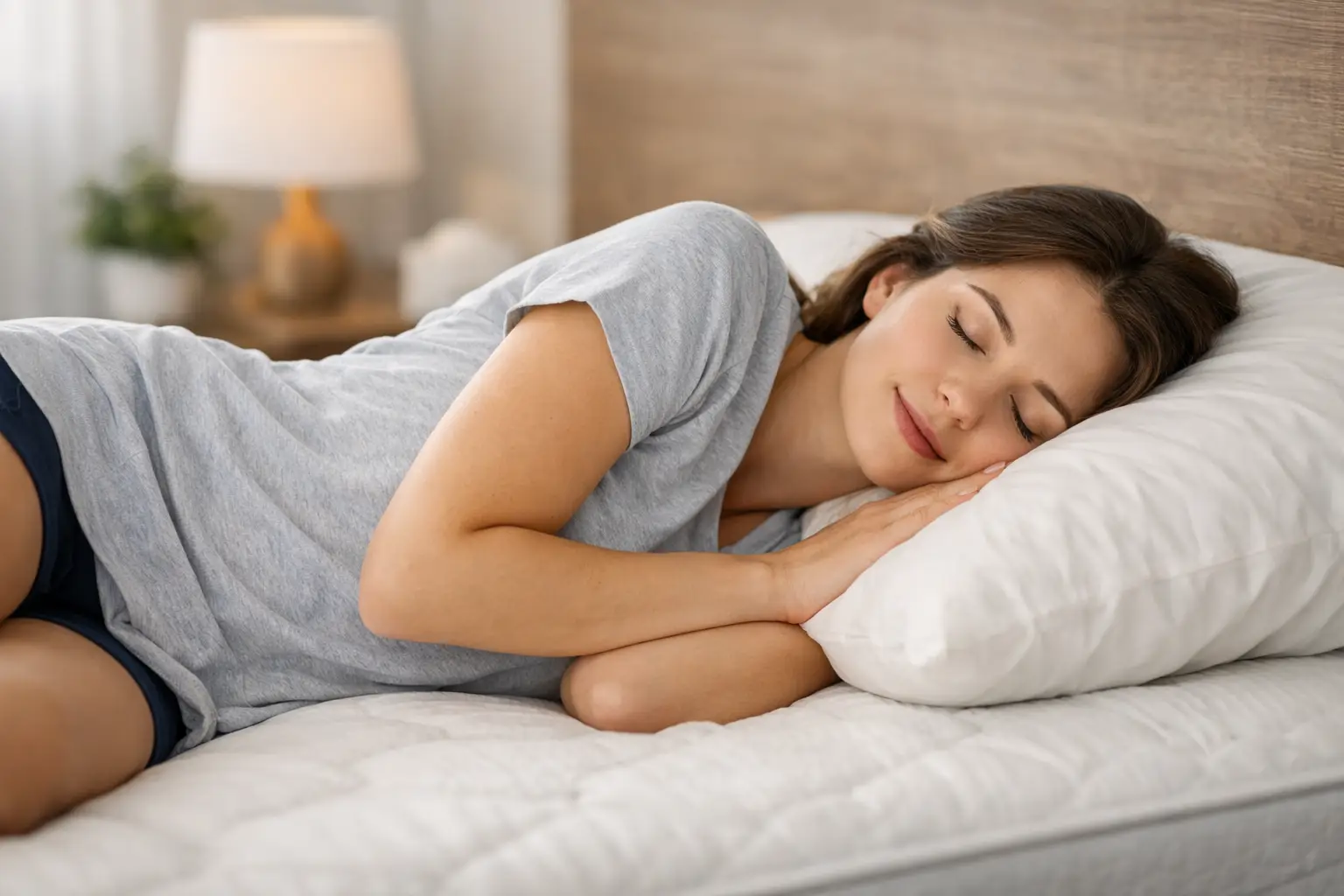
Shoulders going numb by 3 a.m. and hips feeling oddly sore by morning usually point to one thing: your mattress is fighting your sleep position. The best mattress firmness for side sleepers is usually medium to medium-soft, but that sweet spot depends on your weight, pressure points, and the feel you actually enjoy night after night.
Side sleeping is one of the most common and comfortable positions, but it puts more pressure on the shoulders and hips than back sleeping. That means the wrong mattress firmness can feel uncomfortable fast. Too firm, and you get pushback where you want cushioning. Too soft, and your spine can dip out of alignment. Getting it right is less about chasing a single number and more about finding balanced comfort and support.
What is the best mattress firmness for side sleepers?
For most side sleepers, the best fit lands between 4 and 6.5 on the typical mattress firmness scale, where 1 is very soft and 10 is very firm. In real-world terms, that means soft enough to cushion curves, but supportive enough to keep your waist and lower back from sinking too far.
A medium-soft mattress, around 4 to 5, often works well for lighter side sleepers or anyone who wants a more cradling feel. A true medium mattress, around 5 to 6, is a strong all-around choice for couples, combination sleepers, and shoppers who want comfort without too much sink. Medium-firm can still work for some side sleepers, especially if they are heavier or prefer a more lifted surface, but very firm mattresses are rarely the first recommendation for this sleep position.
The reason is simple. Side sleeping creates sharper contact points than other positions. Your shoulders and hips need enough give to settle into the mattress slightly, while the rest of the body stays supported. When firmness is balanced properly, your spine stays more neutral and pressure buildup is reduced.
Why side sleepers usually need a softer feel
Side sleepers do not lie flat against the mattress. They rest unevenly, with more force concentrated at the widest parts of the body. A mattress that feels comfortable to a back sleeper can feel uncomfortably hard to someone sleeping on their side because it does not allow those pressure points to sink in enough.
That is why side sleepers often prefer a mattress with more contouring. This does not mean a mattress should feel overly plush or unsupportive. It means the surface should respond well to curves and distribute weight more evenly. When that happens, the shoulders can settle without feeling jammed upward, and the hips can sink just enough to avoid twisting the lower back.
This is also where mattress material matters. Memory foam tends to contour more closely, which many side sleepers love for pressure relief. Hybrid mattresses can be a great middle ground because they blend cushioning comfort layers with a more supportive core. Traditional innerspring models can work too, but they often need a softer, better-padded top to feel comfortable for side sleeping.
The firmness that works best by body weight
Body weight changes how a mattress feels. A firmness that feels soft and cushioning to one person may feel flat-out firm to someone else.
Lightweight side sleepers
If you weigh under about 130 pounds, you usually will not sink as deeply into the mattress. Because of that, a medium-soft or even soft mattress often feels better. It allows the shoulders and hips to get the pressure relief they need instead of hovering too much on top of the surface.
A mattress that is labeled medium-firm may feel firmer than expected in this weight range. If you regularly wake with shoulder tension or tingling arms, your mattress may simply not be giving enough.
Average-weight side sleepers
If you weigh roughly 130 to 230 pounds, medium-soft to medium is often the most comfortable range. This is where many side sleepers find the easiest balance between cushioning and support.
For this group, shopping by feel can be especially useful. If you like a body-hugging, cocooned sensation, you may lean toward medium-soft. If you prefer a cleaner, more lifted feel with easier movement, medium or medium-firm in a well-designed hybrid can be the better choice.
Heavier side sleepers
If you weigh over 230 pounds, a mattress that is too soft can let the hips and torso sink too deeply, which may pull the spine out of alignment. In this case, medium to medium-firm usually works better, especially with stronger support layers underneath.
That said, side sleepers in this category still need pressure relief. The goal is not a hard mattress. It is a mattress with enough cushioning on top and enough structure below to prevent sagging.
The best mattress firmness for side sleepers with pain
If you are shopping because of pain, firmness matters even more, but not always in the way people expect.
Shoulder pain
Shoulder pain is often linked to a mattress that is too firm. The shoulder needs room to sink slightly into the bed. If it cannot, pressure builds quickly and can cause numbness, stiffness, or soreness. A medium-soft mattress with good contouring is often a smart starting point.
Hip pain
Hip discomfort can go either way. Some people need more cushioning to reduce pressure, while others need more support to stop the hips from dipping too far. If your mattress feels hard under the hip bone, go softer. If your hips feel heavy and low compared with the rest of your body, go a little firmer.
Lower back pain
For side sleepers, lower back pain often points to poor alignment. A mattress that is too soft can let the waist and hips sink unevenly. A mattress that is too firm can leave a gap at the waist, so the spine is not properly supported. Medium is usually the safest zone, especially in a mattress that offers both contouring and support.
Material matters as much as firmness
Firmness ratings are helpful, but they do not tell the whole story because two medium mattresses can feel completely different.
Memory foam usually feels more body-conforming. It suits side sleepers who want deeper pressure relief and less bounce. This can be especially appealing if your current mattress feels too hard or if you wake with pressure-point pain.
Hybrid mattresses often have a more balanced feel. You still get cushioning comfort layers, but the pocket spring or coil support core adds responsiveness and structure. For many shoppers, this is the sweet spot because it combines comfort and support without feeling overly soft.
Latex tends to feel springier and more buoyant than memory foam. Some side sleepers love that lifted sensation, while others want more contouring than latex typically provides.
This is why the best mattress firmness for side sleepers is never just a number on a label. Construction changes how that firmness is delivered.
How to tell if your current mattress is too firm or too soft
You do not always need a full sleep study to know your mattress is wrong. Your body tends to give pretty clear feedback.
If your mattress is too firm, you may wake with sore shoulders, tingling arms, hip pressure, or the feeling that you were sleeping on top of the bed rather than in it. If your mattress is too soft, you may notice lower back pain, a hammock-like dip in the middle, or the sense that rolling over takes effort.
Pay attention to how you feel after a full night, not just the first five minutes when you lie down. Many mattresses feel comfortable at first touch but become less supportive over several hours.
What side sleepers should prioritize when shopping
A stylish bed frame may set the tone for your bedroom, but your mattress has to do the harder job. For side sleepers, pressure relief should be high on the list, followed closely by spinal support.
Look for a comfort layer thick enough to cushion the shoulders and hips, especially if you prefer a more plush feel. If you share the bed, motion control may matter too, particularly with foam and hybrid models. Edge support can also be useful if you sit on the bed often or want the mattress to feel stable across the full surface.
This is where a well-curated range makes shopping easier. Instead of guessing from endless options, you can compare mattress types, firmness levels, and comfort features in a way that feels more practical and less overwhelming.
One firmness does not suit every side sleeper
There is no single perfect firmness for every side sleeper, and that is the part many quick guides skip. Sleep position matters, but so do body shape, mattress materials, pain points, and personal preference.
If you love a plush, enveloping feel, medium-soft may be your comfort zone. If you want a cleaner, more supportive surface, medium or medium-firm in the right construction may suit you better. Couples may also need a compromise, especially if one person is a side sleeper and the other sleeps on their back or stomach.
The best choice is the one that lets your shoulders and hips relax without throwing your spine off line. When a mattress gets that balance right, sleep feels easier, mornings feel better, and your bedroom starts delivering the comfort it should have had all along.
If you are replacing a mattress that never quite felt right, do not assume you need something firmer just because support matters. For side sleepers, comfort and support are not opposites. The right mattress gives you both, and that is where better sleep usually begins.