
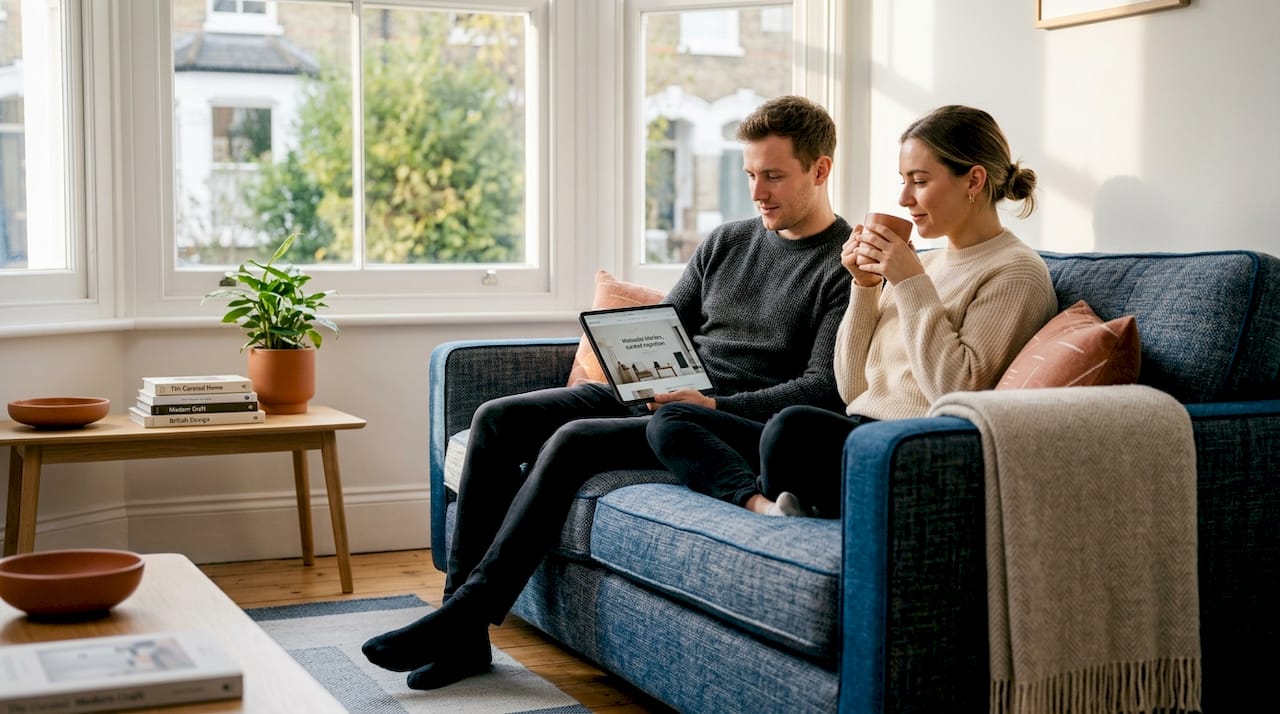
Living in a compact flat forces a particular kind of clarity about what furniture actually earns its place. The role of sofa beds in small apartments goes well beyond offering a spare sleeping surface. A well-chosen sleeper sofa, as the industry commonly terms it, replaces two pieces of furniture with one, reclaiming precious floor space without asking you to sacrifice either comfort or style. Many buyers still carry outdated assumptions about these pieces, imagining thin, creaking mattresses and cumbersome frames. Modern sleeper sofas have moved far beyond that, and this guide will show you precisely how to choose, size, and style one for your home.
Table of Contents
- Key takeaways
- The role of sofa beds in small apartments
- Sofa bed types and designs for small spaces
- Sizing and spatial planning for your room
- Mattress thickness and sofa bed comfort
- Sofa beds versus other space-saving sleeping options
- Styling and maintaining your sofa bed
- My honest take on sofa beds in small flats
- Discover Braysuk’s sofa bed collection
- FAQ
Key takeaways
| Point | Details |
|---|---|
| Open-bed depth matters most | Measure the fully extended bed length, not just the sofa footprint, before purchasing. |
| Futon styles suit tighter rooms | Compact futon-style sleeper sofas offer a smaller footprint and simpler conversion for limited spaces. |
| Mattress thickness is a trade-off | Thicker mattresses (6 to 12 inches) sleep better but fold with more resistance; thinner ones convert easily. |
| Sofa beds beat Murphy beds on cost | Entry-level sleeper sofas cost less and suit renters who cannot install wall-mounted solutions. |
| Styling extends lifespan | Choosing durable upholstery and maintaining the mechanism regularly preserves both function and appearance. |
The role of sofa beds in small apartments
The sleeper sofa occupies a genuinely unique position among small space furniture. It is the only piece that performs two full-time jobs without demanding double the floor area. When closed, it functions as a proper sofa for everyday living. When opened, it provides a real sleeping surface for guests or, in studio flats, for the resident themselves.
What makes this particularly relevant today is the shrinking footprint of urban apartments. Studios and one-bedroom flats in most British cities now routinely measure under 50 square metres. In spaces like these, every piece of furniture must justify its presence, and anything that serves only one purpose is a luxury many residents cannot afford.
The importance of sofa beds extends beyond pure practicality, though. Contemporary designs now arrive in a range of upholstery options, leg finishes, and arm styles that allow them to anchor a living space with genuine visual confidence. The assumption that a sofa bed must look utilitarian or compromise the room’s character is simply no longer accurate.
It is worth separating two distinct use cases from the outset. The first is the occasional guest scenario, where the sofa bed opens perhaps a dozen times per year. The second is the studio flat scenario, where the resident uses it as their primary sleeping surface every night. The right sofa bed for each situation differs considerably, and conflating them leads to poor purchases.
Sofa bed types and designs for small spaces
Not all sleeper sofas are built with compact living in mind. Understanding the key design categories helps you narrow your options quickly.
Pull-out sleeper sofas are the traditional format. The mattress folds beneath the seat cushions and pulls forward on a metal frame. These tend to have a larger sofa footprint and require more clearance when open, but they typically accommodate full, queen, or even king mattress sizes. They suit apartments where guest comfort is a priority and space, while limited, allows for the extended bed depth.

Futon-style sleeper sofas, by contrast, offer a meaningfully smaller footprint. Twin-size futons fit between armchair and loveseat dimensions, making them genuinely viable in rooms where a full pull-out would overwhelm the space. The conversion mechanism is also simpler: the back folds flat rather than a frame unfolding outward. This makes day-to-day use far less effortful.
Fold-flat sofas represent a middle ground. The back reclines to a flat position without a separate mattress mechanism, keeping the profile low and the conversion quick. These work particularly well as sofa beds for limited space where the sleeping function is secondary to daily seating comfort.
Key design considerations include:
- Mechanism type: Bi-fold frames are generally more durable than tri-fold for heavier mattresses; click-clack mechanisms on futon styles are the simplest to operate daily.
- Arm style: Tight, low arms reduce the overall width and allow the sofa to sit closer to walls.
- Leg height: Higher legs make the sofa easier to clean beneath and can create a sense of visual lightness in a small room.
- Mattress size options: Twin (approximately 38 x 75 inches), full (54 x 75 inches), and queen (60 x 80 inches) are the most common for sleeper sofas; queen sizes require substantially more room clearance when open.
Sizing and spatial planning for your room
This is where most buyers make their most costly mistake. They measure the sofa’s closed dimensions, confirm it fits against the wall, and purchase. Then they discover the opened bed extends so far into the room that walking around it becomes impossible.
Open-bed depth for pull-out sleeper sofas typically runs between 85 and 96 inches, which is 7 to 8 feet. That measurement extends from the back of the sofa toward the centre of the room. In a room that is only 10 feet deep, the opened bed leaves roughly 2 feet of clearance at the foot. That is not enough to move comfortably, and it certainly is not enough if the bed sits opposite a television unit or wardrobe.
The recommended minimum walking clearance around an open sofa bed is 24 inches, with 30 inches being the more comfortable standard. Precise clearance measurement is not optional in small apartments. It is the difference between a layout that functions and one that frustrates.
| Mattress size | Sofa width (approx.) | Open-bed depth (approx.) | Minimum room depth needed |
|---|---|---|---|
| Twin | 72 to 80 cm | 190 to 210 cm | 280 to 300 cm |
| Full | 130 to 140 cm | 200 to 220 cm | 290 to 310 cm |
| Queen | 150 to 160 cm | 210 to 240 cm | 310 to 340 cm |
One detail many buyers overlook: mattress width is often narrower than the sofa frame itself, due to mechanical tolerances and the thickness of the upholstered sides. Always measure the actual mattress dimensions rather than the frame when assessing fit.
Pro Tip: Lay out the open-bed footprint on your floor using masking tape before you purchase. Walk around it, open your wardrobe doors, and check whether your room still functions. This five-minute exercise prevents expensive regret.
Corner or sectional sleeper sofas deserve a mention here. They use corner space efficiently, freeing the central floor area despite having a larger overall footprint. In an L-shaped room or an open-plan studio, this can be a genuinely clever spatial solution.

Mattress thickness and sofa bed comfort
The mattress is where sofa beds have historically disappointed, and where modern designs have made the most meaningful progress. Sleeper sofa mattresses range from approximately 4 to 5 inches at the thinner end to 6 to 12 inches for more substantial options.
Here is the honest trade-off:
- 4 to 5 inch mattresses fold with ease, place less strain on the bi-fold mechanism, and keep the sofa’s seated profile lower. They are adequate for occasional overnight guests but fall short for anyone sleeping on them regularly.
- 6 to 8 inch mattresses represent a practical middle ground. They offer noticeably better support and cushioning while remaining manageable for most fold-out mechanisms.
- 10 to 12 inch mattresses deliver sleep quality that genuinely rivals a standard bed. However, thicker mattresses require robust fold-out mechanisms to handle the additional weight and resistance without deteriorating prematurely.
Memory foam has transformed this category. Where older sleeper sofas used thin innerspring mattresses that transferred every bar of the metal frame to the sleeper’s back, memory foam options contour to the body and distribute weight far more effectively. If you are selecting a sofa bed for a studio flat where it will see regular use, a memory foam mattress is not a luxury addition. It is a practical necessity. Braysuk’s mattress comfort guide offers a thorough breakdown of comfort layers if you want to understand what to look for before committing.
Pro Tip: If your chosen sofa bed comes with a thinner mattress, check whether the manufacturer offers a replacement or upgrade option. Many do, and fitting a better mattress to a frame you already love is far more economical than purchasing an entirely new piece.
It is also worth noting that using a sofa bed as your primary daily sleep surface is generally discouraged unless the mattress thickness and quality are genuinely comparable to a standalone bed. For frequent use, investing in a thicker memory foam option or pairing the sofa bed with a quality mattress topper makes a significant difference to long-term comfort and spinal health.
Sofa beds versus other space-saving sleeping options
Understanding where sleeper sofas sit relative to alternatives helps you make a genuinely informed decision rather than defaulting to the most familiar option.
| Feature | Sofa bed | Murphy bed | Daybed |
|---|---|---|---|
| Cost (entry level) | £400 to £700 | £500 to £800 | £300 to £600 |
| Installation required | No | Yes (wall mounting) | No |
| Setup time | 1 to 3 minutes | 30 to 60 seconds | Instant |
| Suitable for renters | Yes | Often not | Yes |
| Daily seating function | Full sofa | None (when closed) | Lounge seating |
| Sleep quality | Moderate to good | Good | Moderate |
Murphy beds cost slightly more at entry level and require wall installation, which most rental agreements prohibit. Their setup time is faster, and they offer a better sleeping surface for daily use. However, they provide no seating function when closed, meaning you still need a separate sofa. For a small apartment, that negates much of the space saving.
Daybeds occupy a different category entirely. As design director John O’Leary notes, the key distinction between daybeds and sofa beds lies in intention: daybeds are designed for lounging, sofa beds for practicality. A daybed offers a comfortable perch and a reasonable sleeping surface for one person, but it does not convert into a proper sofa with back support for seated use.
Sofa beds are particularly well suited to renters, shared living spaces, and anyone who needs a genuine seating solution that occasionally transforms for guests. If you host infrequently and your primary concern is daily comfort, a Murphy bed paired with a separate sofa might serve you better. If you need one piece to do both jobs reliably, a quality sleeper sofa remains the most versatile compact living solution available.
Styling and maintaining your sofa bed
A sofa bed that looks like an afterthought undermines the entire room. The good news is that contemporary multi-functional furniture includes genuinely beautiful sleeper sofas in fabrics and finishes that hold their own against any standard sofa.
-
Choose upholstery that suits your lifestyle. Performance fabrics in tightly woven weaves resist pilling and clean easily, which matters when a sofa sees both daily seating and sleeping use. Velvet and bouclé add visual richness but require more care. Neutral tones integrate across changing décor; deeper shades like forest green or charcoal add character without overwhelming a small room.
-
Prioritise hidden storage where possible. Many sleeper sofas now incorporate under-seat storage compartments, which are ideal for bedding, pillows, and throws. This removes the need for a separate storage ottoman or blanket box, freeing further floor space.
-
Maintain the mechanism regularly. Fold-out frames benefit from occasional lubrication at the hinge points. Check the frame for any loosening bolts every six months. A well-maintained mechanism extends the usable life of the piece considerably.
-
Style it as a sofa first. Use cushions, a throw, and a side table to dress the piece as a proper sofa during the day. Guests should not immediately identify it as a sofa bed. This approach also encourages you to keep the piece looking its best, which supports the room’s overall aesthetic.
My honest take on sofa beds in small flats
I’ve seen a great many people approach the sofa bed decision with the wrong question. They ask, “Is this comfortable enough to sleep on?” when they should be asking, “Does this work brilliantly as a sofa, and can I sleep on it when I need to?”
The hierarchy matters. You will sit on this piece every day. You will sleep on it far less often. Buying a sofa bed that prioritises sleep comfort at the expense of daily seating quality is a trade-off that will frustrate you 350 days a year.
What I’ve found actually transforms the experience is spatial planning done before purchase, not after. The masking tape exercise I mentioned earlier is not optional. I’ve watched people return perfectly good sofa beds simply because they had not accounted for the open-bed depth in their room.
My other strong conviction: do not buy a sleeper sofa without sitting on it. Modern sleeper sofas have improved enormously, but quality still varies widely between manufacturers. The seated feel tells you more about build quality than any specification sheet. If you cannot visit a showroom, read verified reviews that specifically address the seated comfort, not just the sleep surface.
The role of sofa beds in small apartments is genuinely significant when the piece is chosen with care and precision. When it is not, it becomes an expensive obstacle in the middle of your living room.
— very
Discover Braysuk’s sofa bed collection
At Braysuk, we understand that choosing the right sleeper sofa for a compact home requires more than browsing a catalogue. It requires confidence that the piece you select will perform beautifully as both seating and sleeping surface, day after day.

Our curated range includes sleeper sofas with memory foam mattresses, sturdy fold-out frames, and upholstery options to suit every interior sensibility, from understated linen tones to richly textured performance fabrics. For those weighing up mattress options, our mattress comfort guide offers clear, practical guidance on comfort layers and support ratings. If you are also considering other space-saving solutions, our ottoman bed guide and memory foam comparison are excellent next steps. Explore Braysuk’s full range and find the piece that transforms your space with both elegance and purpose.
FAQ
What size sofa bed fits in a small apartment?
A twin or full-size sleeper sofa suits most small apartments. The open-bed depth typically runs 7 to 8 feet, so measure your room’s available depth before purchasing and allow at least 24 inches of walking clearance around the extended bed.
Are sofa beds comfortable enough for regular use?
Modern sleeper sofas with memory foam mattresses of 6 inches or more offer genuine comfort for occasional use. For nightly use as a primary bed, a mattress of 10 inches or thicker is recommended, ideally paired with a quality topper.
How do sofa beds compare to Murphy beds for small flats?
Sofa beds cost less at entry level and require no installation, making them ideal for renters. Murphy beds convert faster and sleep better for daily use, but they provide no seating function and cannot be installed in most rental properties.
What is the difference between a sofa bed and a futon?
A sofa bed typically has a pull-out mattress stored beneath the seat cushions, while a futon-style sleeper folds flat from the back. Futon styles have a smaller footprint and simpler mechanism, making them better suited to very tight spaces.
How do I maintain a sofa bed mechanism?
Lubricate the hinge points of the fold-out frame periodically and check for loose bolts every six months. Keeping the mechanism clean and free of debris also prevents premature wear and preserves ease of conversion.