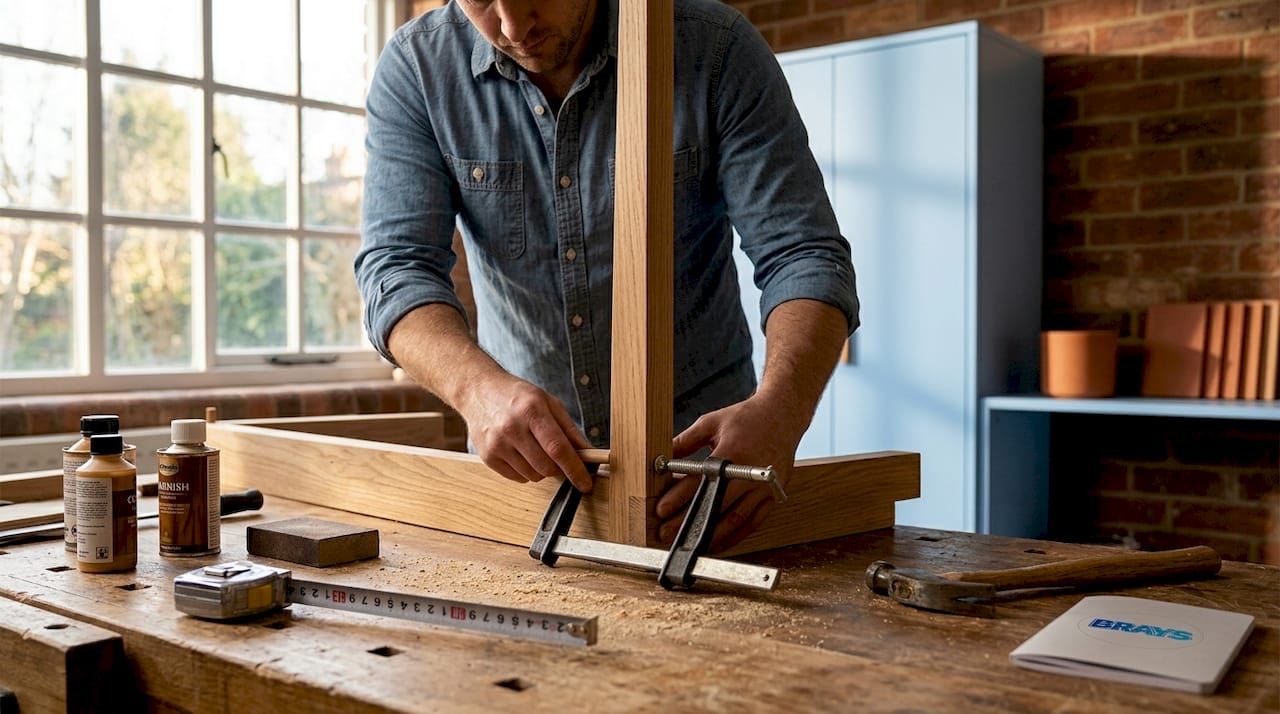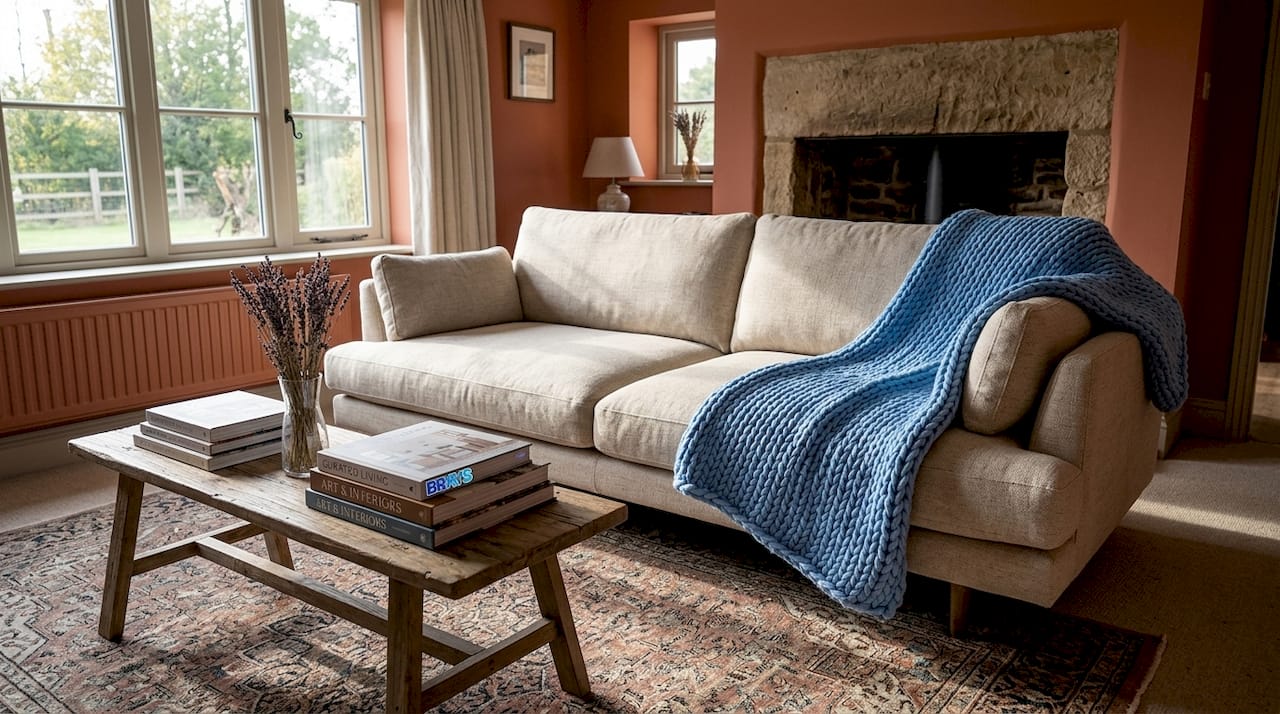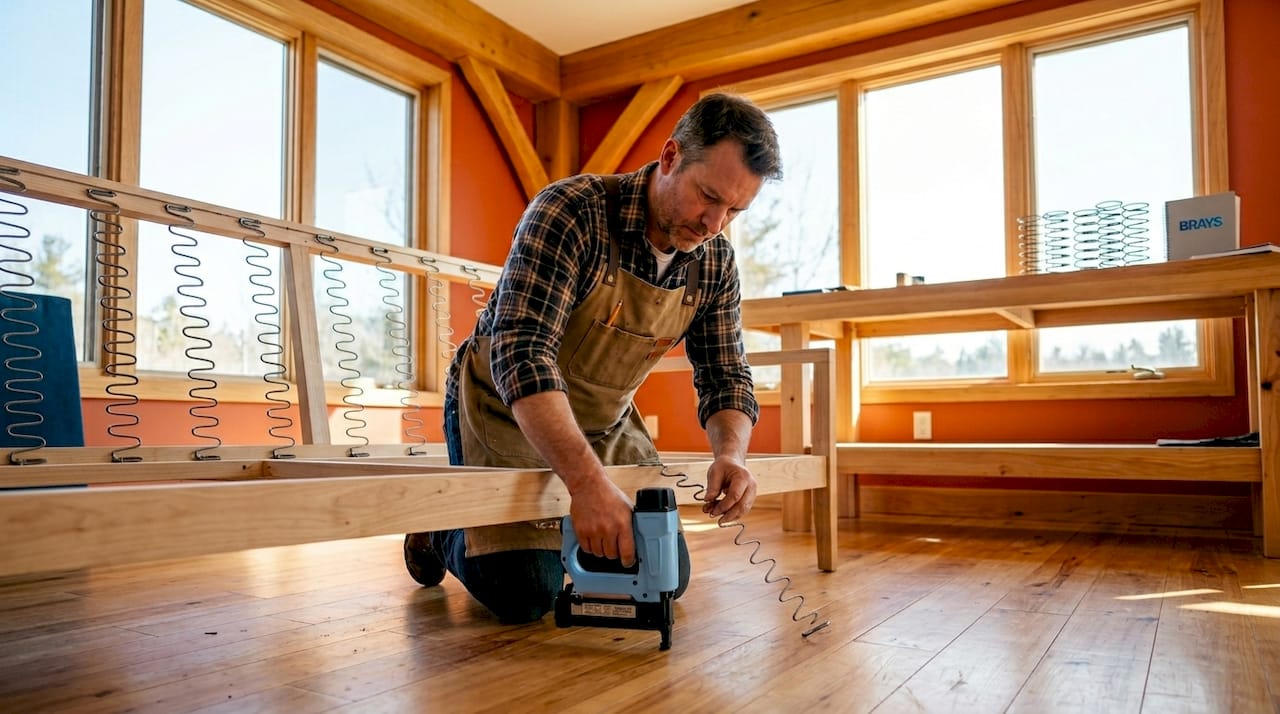
Person measuring small space for furniture layout

Small space furniture strategy: a 2026 guide

Small space furniture strategy is the intentional practice of selecting and arranging furniture to maximise both function and style within compact living areas. For urban renters and flat dwellers working with studios, one-bedroom apartments, or bijou terraced rooms, this approach transforms tight footprints into genuinely livable, elegant spaces. The method draws on principles of multifunctionality, precise circulation clearances, visual lightness, and vertical storage to make every square metre count. Done well, it removes the sense of compromise that compact living so often carries, replacing it with a considered, curated home that feels far larger than its measurements suggest.

What is small space furniture strategy and why does it matter?

Small space furniture strategy is defined as the deliberate process of choosing pieces that serve multiple purposes, maintain comfortable movement, and preserve the visual openness of a room. It is not simply about buying smaller furniture. The goal is spatial architecture: arranging your home so that every piece earns its place through both form and function.

The core principle is the double-duty rule, which states that every large furniture piece in a compact apartment should fulfil at least two distinct functions. A storage ottoman serves as seating and conceals clutter. A daybed functions as a sofa by day and a guest bed by night. This rule alone can reduce the number of pieces in a room by a third, freeing floor space without sacrificing comfort.

Circulation is equally non-negotiable. Professional interior design standards require at least 3 feet for primary walkways and 18 inches of clearance between seating and coffee tables. These measurements prevent a room from feeling cramped and ensure the space remains genuinely usable rather than merely decorative.

Key principles at a glance:

  • Multifunctionality: Every large piece should serve two or more purposes.
  • Scale: Choose furniture proportioned to the room, not the showroom floor.
  • Visual lightness: Pieces with raised legs and slim profiles allow the eye to travel beneath them, making rooms feel larger.
  • Vertical storage: Walls are functional infrastructure, not blank canvases.
  • Circulation clearances: Maintain 36 inches for primary paths and 18 inches around seating.

Pro Tip: Before purchasing any large piece, tape its footprint onto your floor using masking tape. Walk around it for a day. If it disrupts your movement, it will do the same once it arrives.

How does furniture placement and layout enhance small space usability?

Placement is where strategy becomes spatial experience. The most common error in small apartments is pushing every piece against the walls in an attempt to free the centre of the room. Research shows that floating furniture creates better flow and makes spaces feel more cohesive, because it creates natural zones and draws the eye inward rather than around the perimeter.

Man assembling multifunctional sofa bed in apartment

Floating and modular furniture arranged as vignettes creates distinct zones in open-plan apartments without the need for walls. A slim console placed behind a sofa defines a living area. An open bookshelf separates a sleeping zone from a workspace. These pieces act as boundary furniture, framing each area with clarity and purpose while preserving light and sightlines.

Follow this sequence when planning your layout:

  1. Identify your zones. Decide which areas serve which functions: sleeping, working, dining, relaxing.
  2. Establish your anchor piece. In a living area, this is usually the sofa. In a bedroom, the bed. Place it first.
  3. Float it. Pull the anchor piece at least 30 centimetres from the wall to create depth and flow.
  4. Define boundaries. Use a rug, open shelving, or a low console to frame each zone without blocking light.
  5. Check sightlines. Stand at your entrance and confirm you can see through to a window or focal point. Blocked sightlines compress perceived space.

Pro Tip: A rug placed beneath the front legs of a sofa, rather than entirely under it, anchors the seating zone visually without requiring a larger, more expensive rug.

What types of multifunctional furniture work best in small apartments?

Infographic outlining small space furniture strategy steps

The best furniture for compact homes combines a modest footprint with generous utility. The pieces below represent the most effective space-saving furniture solutions available for urban dwellers in 2026.

Furniture type Primary function Secondary function
Storage ottoman Seating Hidden storage for blankets, books
Sofa bed Sofa Guest sleeping accommodation
Platform bed with drawers Sleeping Under-bed storage without risers
Fold-down wall desk Wall-mounted décor Full working desk when open
Modular shelving unit Display and storage Room divider or zone boundary

Platform beds with integrated drawers convert under-bed dead space into valuable storage without increasing floor footprint. This is particularly effective in studios, where a standard bed occupies a significant proportion of the total floor area. Integrated drawers also avoid the visual clutter associated with bed risers and storage containers placed beneath the frame.

Sofa beds deserve particular attention. The best models transition between configurations without requiring the room to be rearranged, making them genuinely practical rather than a last resort for guests. Look for models with a firm, supportive mattress rather than a thin fold-out pad, as comfort determines whether the piece actually gets used in both modes.

For renters who cannot make structural changes, lightweight modular pieces offer flexibility. They can be reconfigured as needs change, moved without damage, and adapted to different floor plans when you relocate.

What common mistakes should small space dwellers avoid?

The most damaging mistakes in small room design strategies are not about choosing the wrong style. They are about ignoring the physical and visual rules that govern how space is perceived.

  • Choosing furniture that is too small. Undersized pieces create awkward negative space and make a room feel sparse rather than spacious. A properly scaled sofa placed thoughtfully reads as intentional and generous.
  • Overcrowding with single-use pieces. A dedicated side table, a separate magazine rack, and a standalone lamp each occupy floor space. A single well-chosen piece can perform all three roles.
  • Blocking walkways. Ignoring the 36-inch clearance standard turns a living room into an obstacle course. Measure before you place.
  • Pushing everything to the walls. This is the most counterintuitive mistake. Floating furniture inward creates depth and makes the room feel larger, not smaller.
  • Neglecting vertical space. Wall-mounted shelves and cabinets reclaim floor space and draw the eye upward, increasing perceived ceiling height.

Pro Tip: Heavy, bulky furniture reduces perceived floor area and breaks sightlines. The visual weight of furniture is as important as its physical dimensions. Opt for glass-topped tables or pieces with acrylic elements where possible to maintain visual openness.

How can renters implement a successful small space furniture strategy?

Practical implementation follows a clear sequence. Skipping steps, particularly the measuring and planning stages, leads to the costly mistakes that most renters regret.

  1. Measure every wall, doorway, and alcove. Record ceiling height as well. Sketch a scaled floor plan on graph paper or use a free tool such as RoomSketcher or Floorplanner.
  2. Create paper templates. Cut scaled representations of furniture pieces and test fit them on your floor plan before purchasing. This prevents cramped layouts and wasted expenditure.
  3. Prioritise foundational multifunctional pieces first. Buy your sofa bed, platform bed, or storage ottoman before any decorative accessories. Accessories fill the space that remains; they do not define it.
  4. Install vertical storage early. Wall-mounted shelves, a dressing table with mirror storage, and over-door organisers should be in place before you consider additional freestanding pieces.
  5. Use lighting and colour deliberately. Light walls and strategically placed floor lamps extend perceived depth. Mirrors positioned opposite windows double the apparent width of a room.

Key takeaways

A successful small space furniture strategy rests on three non-negotiable pillars: multifunctional pieces, precise circulation clearances, and deliberate vertical storage.

Point Details
Apply the double-duty rule Every large piece must serve at least two functions to reduce footprint without sacrificing comfort.
Maintain circulation clearances Keep 36 inches for primary walkways and 18 inches between seating and tables to preserve flow.
Float furniture inward Pulling pieces away from walls creates depth, defines zones, and makes rooms feel larger.
Exploit vertical space Wall-mounted shelves and cabinets reclaim floor area and draw the eye upward.
Measure and template first Paper floor plan templates prevent costly purchasing mistakes and cramped layouts.

Why small space design rewards patience more than budget

The most revealing thing I have observed in years of working with compact urban homes is this: the clients who achieve the most striking results are rarely those who spend the most. They are the ones who measure twice, plan meticulously, and resist the urge to fill every corner immediately. A single well-chosen sofa bed or a platform bed with integrated drawers does more for a studio than a room full of inexpensive single-use pieces ever could.

There is also a psychological dimension that most guides overlook. Small spaces reward spatial creativity in ways that larger homes simply do not. When you treat your floor plan as a puzzle with precise constraints, you start making decisions that are genuinely considered rather than habitual. The result is a home that feels curated and personal, not merely furnished.

The one piece of advice I return to most often: do not buy anything for the first month in a new space. Live in it. Notice where you naturally walk, where light falls in the morning, where you actually sit. That observation period will tell you more than any floor plan template. The furniture strategy that follows will be far more precise, and far more satisfying, for it.

— V

Discover furniture designed for the way you actually live

https://braysuk.com

BraysUK curates furniture with the compact urban home in mind, combining contemporary design with the kind of lasting durability that justifies every purchase. The BraysUK collection of sofa beds for real homes includes models that transition effortlessly between configurations, offering genuine sleeping comfort alongside elegant daytime styling. For bedrooms where storage is at a premium, the range of upholstered headboards pairs refined aesthetics with practical design, complementing platform beds and divan bases that make full use of every available centimetre. BraysUK pieces are meticulously chosen to serve both form and function, giving you the confidence to invest in quality that transforms your space rather than simply filling it.

FAQ

What is a small space furniture strategy?

Small space furniture strategy is the deliberate selection and arrangement of furniture to maximise function, flow, and visual space in compact living areas. It prioritises multifunctional pieces, proper circulation clearances, and vertical storage over simply buying smaller items.

How much clearance should I leave between furniture in a small room?

Professional design standards require at least 36 inches (3 feet) for primary walkways and 18 inches between seating and coffee tables. These clearances prevent overcrowding and maintain comfortable movement throughout the room.

What is the best type of furniture for a tiny home or studio flat?

Platform beds with integrated drawers, sofa beds, storage ottomans, and fold-down wall desks are the most effective choices. Each piece serves multiple functions, reducing the total number of items needed and freeing valuable floor space.

Should I push furniture against the walls in a small apartment?

No. Floating furniture away from walls creates better flow, defines zones more clearly, and makes rooms feel larger. Pushing every piece to the perimeter creates a hollow, disconnected feel rather than the spacious effect most renters intend.

How do I plan a furniture layout before buying anything?

Measure your room carefully and sketch a scaled floor plan. Cut paper templates to represent each furniture piece and arrange them on the plan to test clearances and walkways before committing to any purchase.

Woman adjusting bed in cozy bedroom

Why bedroom furniture affects your daily comfort

Bedroom furniture is defined as the physical and environmental system that determines the quality of rest you experience each night and, by extension, how you function every day. Most people focus exclusively on the mattress, yet the bed frame, bedside table, storage, and overall layout shape your sleep environment just as profoundly. Research from 2026, including insights from Dr. Diana Rangaves and published studies in the Journal of Behavioral Medicine, confirms that the cumulative effect of furniture choices on physical support, visual calm, and room airflow directly governs both sleep quality and psychological well-being.

Why bedroom furniture affects daily comfort more than you think

The physical design of your bedroom furniture determines whether your body is properly supported through the night. Ergonomic attributes, including bed frame stability, appropriate height, and the structural integrity of seating and storage, dictate posture and pressure relief in ways that accumulate over months and years. A 2026 evaluation of seating design found that safety and functional support outweigh aesthetics as the primary drivers of comfort. This means a beautifully styled bed frame that wobbles or sits at an awkward height will undermine your rest regardless of how refined it looks.

Bed height is a particularly overlooked variable. A frame that is too low forces you to strain your knees and lower back each time you rise, creating cumulative physical fatigue before your day has even begun. Conversely, a frame positioned at mid-thigh height allows a natural, supported transition between lying and standing. The same principle applies to bedside furniture: a table at mattress level keeps your essentials within reach without requiring you to twist or overextend.

Upholstered headboards add another layer of physical benefit. They provide a padded surface for sitting upright to read or wind down, reducing the neck and shoulder tension that comes from propping yourself against a hard wall or flat pillow stack. You can explore upholstered headboard options that combine this ergonomic function with refined aesthetic appeal.

Pro Tip: When choosing bedroom furniture, prioritise pieces that perform reliably under daily use first, then refine for style. A structurally sound bed frame with a quality finish will serve your comfort far longer than a purely decorative choice.

Man reading comfortably with padded headboard

How does visual clutter from furniture affect your sleep?

The psychological dimension of bedroom comfort is where most people lose significant sleep quality without realising it. Dr. Diana Rangaves identifies that visual clutter activates cognitive processing that distracts the brain from sleep preparation, creating micro-stress that delays onset and fragments rest. Your brain does not simply switch off when you lie down. It scans the environment for unresolved signals, and a cluttered wardrobe, an overloaded bedside table, or visible work materials all register as unfinished business.

The concept of a cumulative environment is central here. Dr. Rangaves emphasises that multiple bedroom aesthetic cues collectively improve sleep beyond what any single upgrade, including a new mattress, can achieve alone. This is a genuinely counter-intuitive finding. Replacing your mattress while leaving a chaotic bedroom environment intact yields far smaller comfort gains than addressing the room as a whole.

Creating a visually restful bedroom through furniture choices is more deliberate than it sounds. Consider the following sequence:

  1. Audit your bedside table. Remove anything work-related, screen-based, or visually busy. A tidy surface with one lamp and a book signals rest, not productivity.
  2. Choose storage furniture that conceals rather than displays. Wardrobes with full-length doors, ottomans with internal storage, and dressers with clean lines reduce the visual noise that activates your brain at night.
  3. Select a bed with a considered aesthetic. A well-dressed bed with coordinated linen and a structured headboard encourages the behavioural patterns associated with better sleep hygiene, including making the bed each morning, which reinforces the room’s identity as a place of rest.

Pro Tip: Treat your bedroom as a curated space rather than a storage overflow. Every piece of furniture you introduce should either support rest or support the visual calm that makes rest possible.

Does furniture placement affect airflow and sleep continuity?

Furniture arrangement governs the sensory inputs your body receives throughout the night, and those inputs directly affect whether you sleep through or wake repeatedly. A study of 74 undergraduates found that poor ventilation increased wake after sleep onset (WASO), a measure of fragmented sleep that most people attribute to stress or noise rather than their room’s physical layout. The connection between furniture placement and airflow is more direct than it appears.

Positioning a bed directly beneath an HVAC vent, for instance, disrupts the temperature drop your body requires to transition into deep sleep. The blast of conditioned air interferes with the natural thermoregulation process, keeping you in lighter sleep stages. Similarly, placing large wardrobes or shelving units against walls that house ventilation points can redirect airflow in ways that create uneven temperature zones across the bed.

The table below compares optimal and suboptimal furniture layout choices and their effects on comfort:

Layout feature Optimal arrangement Suboptimal arrangement
Bed position relative to windows Away from direct light and draught Directly beneath or beside a window
Bed position relative to HVAC vents At least 1 metre from any vent Directly beneath a ceiling or wall vent
Bed position relative to the door Facing the door without being in line with it Back to the door or in direct alignment
Large furniture placement Against solid walls, away from vents Blocking airflow paths or ventilation points
Noise exposure Away from shared or external walls Against the noisiest wall in the room

Infographic illustrating bedroom furniture impact categories

The principle of the commanding position is worth noting here. Placing the bed so you can see the door without being directly in its path reduces low-level vigilance anxiety, which lowers cortisol and supports faster sleep onset. This is not interior design philosophy. It reflects how the brain processes spatial threat signals during the transition to sleep.

How does bedroom furniture influence stress and daily well-being?

The relationship between bedroom comfort and daytime functioning is measurable. A study of 400 Irish adults found that poorer subjective sleep quality is moderately associated with higher perceived psychological stress. This means the quality of your sleep environment, shaped significantly by your furniture choices, has a traceable effect on how stressed you feel during waking hours.

Furniture that supports a calming bedroom environment reduces the physiological arousal that carries over into the next day. When your bedroom is arranged to minimise sensory disruption and visual noise, your nervous system spends less time in a state of low-level alert during sleep. The result is not just better rest but greater emotional resilience and cognitive clarity throughout the day.

Several furniture-driven factors contribute directly to this stress reduction:

  • Storage sufficiency. Adequate wardrobes and drawers eliminate the visual clutter that generates micro-stress before sleep.
  • Bed frame stability. A frame that does not creak or shift removes a subtle but persistent source of nocturnal disturbance.
  • Lighting furniture. Bedside lamps with warm, dimmable bulbs support the melatonin production that governs sleep onset and depth.
  • Multifunctional storage. Pieces that serve dual purposes, such as an ottoman at the foot of the bed, reduce room clutter without sacrificing comfort or style.

Key takeaways

Bedroom furniture shapes daily comfort through physical support, visual environment, and room layout working together as a single system rather than as isolated pieces.

Point Details
Ergonomic design matters most Prioritise bed frame stability and appropriate height over purely aesthetic choices.
Visual calm improves sleep Clutter activates cognitive processing at night; concealed storage and tidy surfaces reduce this effect.
Furniture placement controls airflow Positioning the bed away from vents and noisy walls measurably reduces sleep fragmentation.
Commanding position reduces stress Facing the door without being in line with it lowers vigilance anxiety and supports faster sleep onset.
Comfort is a cumulative system Upgrading the full bedroom environment yields greater gains than replacing the mattress alone.

The bedroom as a system, not a collection of pieces

What the research makes clear, and what most furniture guides still fail to articulate, is that your bedroom functions as an integrated system. I have seen people invest considerably in a premium mattress while leaving a chaotic wardrobe, a cluttered bedside table, and a poorly positioned bed frame entirely unchanged. The result is predictably disappointing. The mattress improves one variable in a system where several others remain misaligned.

The most overlooked factors are almost always storage and lighting. A bedroom with insufficient storage forces visible clutter, which Dr. Rangaves’ work confirms actively degrades sleep quality through cognitive activation. Lighting furniture, often treated as purely decorative, governs the hormonal signals that prepare your body for rest. These are not peripheral concerns. They are structural components of a well-functioning sleep environment.

My view is that the most rewarding bedroom upgrades address the room holistically: a structurally sound and aesthetically considered bed frame, concealed and sufficient storage, a tidy and purposeful bedside arrangement, and furniture positioned to support airflow and reduce sensory disruption. For those interested in how calming spatial design principles translate across restorative rooms, the approach explored in yoga room decor for tranquil spaces offers genuinely transferable insight. The interaction between aesthetic and functional furniture elements is not a luxury consideration. It is the foundation of restorative rest.

— V

Transform your bedroom with BraysUK

https://braysuk.com

BraysUK brings together the ergonomic, aesthetic, and environmental principles explored in this article through a meticulously curated collection of bedroom furniture. The Flexisleep Eco Natural Dual Tension Pocket Electric Adjustable Bed delivers customisable postural support that adapts to your body’s precise requirements, while BraysUK’s range of upholstered headboards combines tactile comfort with timeless elegance. For those seeking to address storage clutter, the guidance on choosing a dressing table with mirror storage offers a practical route to a tidier, more restful bedroom environment. Every piece is selected to help you build a bedroom that feels as restorative as it looks.

FAQ

Does bedroom furniture really affect sleep quality?

Yes. Research confirms that furniture arrangement, visual clutter, and ergonomic support all influence sleep onset, continuity, and depth. The bedroom functions as a system where each furniture choice contributes to or detracts from overall rest quality.

What is the most important piece of bedroom furniture for comfort?

The bed frame is foundational, as its stability, height, and structural integrity directly affect posture and pressure relief. However, storage furniture that reduces visual clutter and a well-positioned bedside table are equally significant contributors to nightly comfort.

How does furniture placement affect sleep?

Furniture placement controls airflow, temperature regulation, light exposure, and noise. Positioning the bed away from HVAC vents, noisy walls, and direct window light reduces sleep fragmentation and supports deeper, more continuous rest.

Can a cluttered bedroom cause stress?

A cluttered bedroom generates micro-stress by activating cognitive processing during the wind-down period before sleep. Studies show that visual calm correlates with better sleep, and poorer sleep quality is linked to higher perceived stress the following day.

Is upgrading the mattress enough to improve bedroom comfort?

Upgrading the mattress alone typically yields smaller improvements than addressing the full bedroom environment. Dr. Diana Rangaves’ research demonstrates that cumulative aesthetic and environmental factors, including furniture arrangement, storage, and lighting, collectively shape sleep quality beyond what the mattress alone can deliver.

Craftsman assembling wooden sofa frame

How frame construction determines sofa lifespan

A sofa’s frame is the structural skeleton that determines how long it will last, how well it supports you, and whether it holds its shape through years of daily use. The role of frame construction in sofa lifespan is not a secondary consideration. It is the primary one. Upholstery fades, cushions compress, and fabrics wear, but a well-built frame built from kiln-dried hardwood with sound joinery will outlast all of those surface elements by decades. Understanding what lies beneath the fabric, whether that is beech, oak, plywood, or metal, is the single most reliable way to judge whether a sofa represents genuine long-term value.

How do different frame materials impact sofa lifespan?

The material used to construct a sofa frame is the most direct factor influencing its durability and dimensional stability over time. Kiln-dried hardwoods such as beech, oak, and ash sit at the top of the hierarchy. They resist warping, hold joints tightly, and maintain their structural integrity through thousands of load cycles. A well-built frame constructed from solid lumber, rather than plywood or composite panels, is the recognised industry standard for sofas intended to last a generation or more.

Plywood is not inherently poor, but its quality varies enormously. Furniture-grade plywood with a high ply count can perform adequately in lower-stress areas of a frame, but it should never be presented as equivalent to solid hardwood in structural members. Softwoods such as pine are sometimes used in budget construction. They can bear moderate loads but are more susceptible to denting, splitting, and joint loosening over time than their hardwood counterparts.

Metal frames offer considerable structural strength and resist biological degradation entirely. They suit contemporary designs and high-traffic commercial settings well, though they influence the suspension system and seating feel differently from wood, often producing a firmer, less forgiving base.

Frame material Durability rating Key consideration
Kiln-dried hardwood (beech, oak, ash) Excellent Optimal dimensional stability and joint longevity
Furniture-grade plywood Moderate to good Quality varies; check ply count and grade
Softwood (pine) Moderate Suitable for low-stress areas; less durable long term
Metal (steel, aluminium) Excellent Strong and stable; affects suspension feel
  • Prioritise solid hardwood in the seat rail, back rail, and leg joints, as these bear the greatest load.
  • Avoid frames described vaguely as “solid wood construction” without specifying the species.
  • Ask whether the timber is FSC-certified, which confirms responsible sourcing alongside quality standards.

Pro Tip: Request a cross-section photograph of the frame or ask the retailer to confirm the timber species in writing. Reputable manufacturers will provide this without hesitation.

What frame design and joinery methods enhance sofa durability?

Frame design and the methods used to connect its components are just as consequential as the material itself. Sofas built with corner blocks, dowels, and screws consistently outperform those assembled with glue and staples alone. Corner blocks, the small triangular or square reinforcements fitted at internal frame angles, distribute stress across a wider surface area and prevent the racking movement that causes creaking and eventual joint failure.

The sequence of construction matters too. A properly engineered frame follows these principles:

  1. Seat rails are mortise-and-tenon or dowel-jointed to the legs, not simply butted and glued.
  2. Corner blocks are glued and screwed, not just glued, at every internal corner.
  3. Back uprights are braced with a cross-rail to prevent lateral flex under leaning pressure.
  4. Leg attachments use bolts or large-diameter screws rather than nails or staples.
  5. All joints are checked for square before the adhesive cures, preventing cumulative misalignment.

Frame thickness also contributes meaningfully to structural performance. Seat rails below 38mm in thickness are a common point of failure in budget sofas, particularly under concentrated loads. A well-proportioned frame distributes weight evenly across the suspension system, which in turn protects the upholstery and cushioning from premature compression.

Load cycles and environmental factors reveal frame weaknesses that are invisible at the point of purchase. A sofa used daily by a family of four accumulates tens of thousands of load cycles within its first two years. Frames relying on adhesive alone begin to show joint movement within this period, while properly dowelled and blocked frames remain tight for a decade or more.

Close-up of sofa frame corner joinery

Pro Tip: Sit on the sofa and shift your weight from side to side. Any audible creaking or perceptible flex in the base suggests inadequate joinery, regardless of how the frame is described in the product listing.

How does moisture content affect wood frame stability?

Moisture content at the time of manufacture is a hidden but decisive factor in how frame construction affects sofa lifespan. Kiln-dried lumber targets a moisture content of 6 to 8 per cent, which is the range at which wood achieves optimal dimensional stability and resists subsequent shrinking or warping in a heated interior environment. This narrow moisture window is not arbitrary. It reflects the equilibrium moisture content of timber in a centrally heated home.

Air-dried timber, by contrast, typically retains 13 to 15 per cent moisture. Once installed in a warm, dry living room, this wood continues to release moisture and shrink. The consequence is joint opening, squeaking, and in severe cases, structural loosening that becomes apparent within 6 to 18 months of delivery. This is why a sofa can feel perfectly solid in a showroom and begin to creak and shift within its first winter of use.

The technical benefit of kiln drying extends beyond moisture reduction alone. The process mildly modifies lignin, the natural polymer that binds wood fibres, improving both surface hardness and glue adhesion at joints. This means kiln-dried frames not only start more stable but bond more reliably during assembly, producing joints that remain tight under repeated loading.

  • Kiln-dried wood at 6 to 8% moisture content resists shrinkage in heated interiors.
  • Air-dried wood at 13 to 15% moisture continues to move after installation, opening joints.
  • Lignin modification during kiln drying improves glue adhesion and surface hardness.
  • Acclimatisation of timber before assembly helps, but cannot fully compensate for inadequate drying.

What practical steps help you assess sofa frame quality?

Assessing frame quality before purchase requires moving beyond the fabric and cushion presentation that dominates most showroom displays. High-resilience foam and quality suspension add genuine comfort, but they cannot compensate for a structurally compromised frame. The frame dictates the sofa’s lifespan. Everything else is secondary.

Infographic illustrating ranked sofa frame quality factors

Start by requesting material transparency from the retailer. Ask for the timber species, the moisture content at manufacture, and whether corner blocks and dowels are used in the seat and back frame. Reputable manufacturers provide this information readily. Vague responses such as “solid wood frame” without species confirmation are a reliable indicator of lower-grade construction.

Examine the legs closely. Legs that are screwed directly into the base rail with a single bolt are a weak point. Legs that are part of the continuous frame structure, or attached with a steel plate and multiple fixings, indicate a more considered approach to structural integrity.

Warranty length is a practical proxy for frame confidence. Brands offering seven years or more on the frame structure signal that they expect the construction to perform under sustained use. A one-year structural warranty on a sofa priced at several hundred pounds is a meaningful warning sign.

Pro Tip: Lift one front leg of the sofa slightly off the floor. If the opposite rear leg lifts simultaneously, the frame is rigid and well-constructed. If the frame flexes and only one leg rises, the structure lacks the torsional stiffness needed for long-term durability.

Key takeaways

Frame construction is the single most important determinant of sofa lifespan, with kiln-dried hardwood, sound joinery, and correct moisture content collectively defining whether a sofa lasts a decade or a generation.

Point Details
Material hierarchy Kiln-dried hardwood outperforms plywood, softwood, and composite panels for long-term durability.
Joinery method Corner blocks, dowels, and screws produce joints that resist opening and creaking under load cycles.
Moisture content Kiln-dried timber at 6 to 8% moisture prevents post-installation shrinkage and joint failure.
Consumer assessment Request species confirmation, check leg fixings, and use the lift test to evaluate frame rigidity.
Warranty as indicator Structural warranties of seven years or more reflect genuine manufacturer confidence in frame quality.

Why frame quality is the purchase decision most buyers get wrong

Most people buying a sofa spend the majority of their time evaluating fabric texture, cushion depth, and colour options. These are the visible, tactile elements that create an immediate impression in a showroom or on a product page. The frame, buried beneath layers of webbing, foam, and upholstery, receives almost no scrutiny at all. This is precisely where expensive mistakes are made.

I have seen beautifully upholstered sofas with frames assembled from poorly dried softwood begin to creak and shift within eighteen months of delivery. The fabric was pristine. The cushions still had their shape. But the frame had moved, the joints had opened, and the sofa had developed the unmistakable wobble of structural failure. No amount of re-stuffing or re-upholstering could address that.

Marketing language around sofas is particularly adept at obscuring frame quality. Terms like “solid wood construction” and “hardwood frame” can legally describe a frame containing a single hardwood component alongside cheaper materials. Insisting on species-level transparency, and walking away from retailers who cannot provide it, is the most protective thing a buyer can do.

The environmental and economic case for investing in frame quality is straightforward. A sofa replaced every five years because of frame failure costs more over a decade than a single well-constructed piece, and generates considerably more waste. Choosing quality construction is both the financially prudent and the more considered choice.

— V

Discover BraysUK’s approach to lasting sofa construction

https://braysuk.com

BraysUK selects sofas built on kiln-dried hardwood frames, with transparent material specifications and structural warranties that reflect genuine confidence in longevity. Every piece in the BraysUK collection is chosen with the understanding that a sofa is a long-term investment in comfort and personal expression, not a disposable purchase. For those who want the assurance of verified construction quality alongside contemporary design, explore the durable sofa options available at BraysUK, where craftsmanship and accessibility meet without compromise. The collection also extends to upholstered bedroom furniture built to the same exacting standards.

FAQ

What is the most durable frame material for a sofa?

Kiln-dried hardwood species such as beech, oak, and ash are the most durable frame materials for sofas. They offer superior dimensional stability, resist warping, and hold joinery tightly through years of sustained use.

How does moisture content affect a sofa frame’s lifespan?

Timber with moisture content above 8 per cent continues to shrink after installation in a heated home, causing joints to open and frames to creak. Kiln-dried wood at 6 to 8 per cent moisture content eliminates this post-installation movement.

Are corner blocks necessary in sofa frame construction?

Corner blocks are a reliable indicator of quality construction. Frames built with glued and screwed corner blocks resist the racking and joint failure that cause creaking and structural loosening over time.

How can I check sofa frame quality before buying?

Request the timber species and moisture content from the retailer, examine leg fixings for multi-point attachments, and perform the lift test: raise one front leg and observe whether the frame remains rigid or flexes.

Does a longer warranty indicate better frame construction?

Structural warranties of seven years or more are a credible signal that the manufacturer expects the frame to perform under sustained daily use. Short warranties on structural components suggest lower confidence in the materials or construction methods used.

Couple relaxing on stylish living room sofa

What is affordable luxury furniture: a buyer’s guide

Affordable luxury furniture is defined as pieces that combine elevated design, lasting durability, and practical functionality at accessible price points, without requiring a premium brand price tag. The concept has gained considerable momentum as consumers shift away from conspicuous logos towards meaningful upgrades that genuinely improve daily life. Brands such as American Leather and collections featuring FSC-certified woods have demonstrated that modern luxury is now defined by comfort, sharp design, and responsible sourcing rather than opulence alone. For anyone seeking stylish yet budget-conscious pieces, understanding what separates genuine affordable luxury from clever marketing is the single most valuable skill you can develop.

What is affordable luxury furniture and how does it differ?

Affordable luxury furniture occupies a precise position between mass-produced budget pieces and heritage premium brands. It delivers the visual refinement and structural integrity of high-end furniture at a price that does not require a second mortgage. The distinction lies not in surface appearance but in the quality of materials, construction methods, and the longevity those choices produce.

The comparison below illustrates how the three tiers differ across the features that matter most to a discerning buyer.

Feature Budget furniture Affordable luxury Premium/heritage
Frame material Particleboard, MDF Engineered hardwood, solid wood sections Solid hardwood throughout
Joinery Staples, glue Mortise-and-tenon, dovetail Hand-cut traditional joinery
Upholstery foam Low-density, quick-sag High-density, resilient Bespoke layered fill
Sustainability Rarely certified FSC-certified options common Variable, often certified
Longevity 3 to 5 years 10 to 15 years 20 years or more

True quality is revealed by examining joinery, structural frame materials, and upholstery construction rather than surface finishes. Paint and stain can mask structural weaknesses, so a beautifully lacquered cabinet with staple-and-glue joints is budget furniture wearing a luxury costume. Affordable luxury pieces earn their position through hidden craftsmanship that you feel in the weight, the drawer action, and the cushion resilience after two years of daily use.

Close-up of sofa frame joinery and upholstery

Pro Tip: When assessing a sofa or armchair in a showroom, press firmly into the seat and release. High-density foam in an affordable luxury piece will recover its shape within two seconds. Slow recovery signals low-density fill that will sag within months.

Where to splurge and where to save on luxury furniture on a budget

The most effective strategy for achieving a genuinely upscale home without overspending is tiering your investment deliberately. The tiering approach concentrates spending on hero pieces that undergo heavy daily use and define the character of a room, while economising on accents and decorative items that carry less structural demand.

Pieces worth investing in:

  • Sofas and sectionals, which absorb years of daily contact and anchor the living room visually
  • Beds and bed frames, where structural integrity directly affects sleep quality and upholstered headboards add tactile luxury at a fraction of bespoke costs
  • Dining tables, which face constant use, heat, moisture, and impact
  • Wardrobes and storage units, where joinery quality determines whether doors align after five years

Pieces where you can economise:

  • Decorative cushions, throws, and table accessories
  • Side tables and occasional chairs used infrequently
  • Wall art and mirrors, where visual impact is high but structural demands are low
  • Lighting, where affordable options from reputable retailers closely match premium aesthetics

This approach prevents the “buy twice” trap, where a cheap sofa purchased to save money requires replacement within three years, ultimately costing more than a single well-chosen affordable luxury piece. Consumers who mix mass-produced decor with high-durability furniture consistently achieve a more polished result than those who spread a limited budget evenly across every item.

Pro Tip: A luxury table setting can transform the perceived quality of an entire dining space. Invest in the table itself, then use considered accessories to complete the aesthetic without significant additional outlay.

Infographic comparing budget and affordable luxury furniture quality

How to spot genuine quality and avoid common pitfalls

The most common mistake when shopping for affordable high-end furniture is evaluating quality by surface finish alone. A glossy veneer or a fashionable colour can make a structurally weak piece appear premium, and many buyers only discover the difference after delivery.

A reliable quality assessment follows these steps at the point of purchase or enquiry:

  1. Check the weight. Heavier pieces with solid joinery indicate superior craftsmanship. A lightweight sofa frame almost always signals hollow or particleboard construction.
  2. Examine the joinery. Ask the retailer specifically whether frames use mortise-and-tenon or dovetail joints. Vague answers or references to “reinforced construction” without specifics are a red flag.
  3. Ask about foam density. Upholstery foam is rated by density in kg per cubic metre. Affordable luxury pieces typically use foam rated at 35 kg/m³ or above for seat cushions.
  4. Review the suspension system. Eight-way hand-tied or sinuous spring systems in sofas indicate considered construction. Webbing alone is acceptable only in lighter occasional seating.
  5. Assess customer service responsiveness. A retailer who cannot answer detailed questions about materials and construction is unlikely to support you effectively after purchase.
  6. Look for sustainability credentials. FSC-certified timber and responsibly sourced fabrics signal a manufacturer who invests in supply-chain quality, which correlates with better overall construction standards.

Price alone does not justify quality. Premium furniture earns its value through materials, construction details, and supply-chain resilience, not through brand recognition or marketing spend.

How affordable luxury furniture fits modern design and sustainability values

The definition of luxury furniture is shifting decisively. Modern luxury is now characterised by comfort, practical functionality, and sustainability rather than purely aesthetic opulence, a shift that places affordable luxury furniture at the centre of contemporary interior design.

Several converging trends support this repositioning:

  • Responsible sourcing has become a baseline expectation, with FSC-certified woods and recycled materials appearing across mid-range collections that previously reserved such credentials for premium tiers.
  • Comfort-led design prioritises pieces that serve everyday life as well as aesthetics, from sofa beds engineered for genuine nightly use to adjustable beds that combine health benefits with refined aesthetics.
  • Polished, intentional interiors have replaced maximalist accumulation as the dominant aspiration, meaning fewer, better-chosen pieces carry more visual weight than a room filled with inexpensive items.
  • Accessible entry points have expanded the market considerably. Luxury-feeling decor upgrades can begin at remarkably modest price points when focused on quality linens, considered frames, and textured accessories rather than wholesale furniture replacement.

What is sustainable luxury furniture in this context? It is the intersection of responsible material sourcing, durable construction that reduces replacement frequency, and design that remains visually relevant across years rather than seasons. Affordable luxury furniture, when chosen well, satisfies all three criteria simultaneously.

Key takeaways

Affordable luxury furniture delivers lasting value by combining elevated design, durable construction, and responsible sourcing at accessible price points, making informed purchasing decisions more important than budget size.

Point Details
Definition matters Affordable luxury furniture is defined by hidden craftsmanship and materials, not surface finish or brand name.
Invest in hero pieces Concentrate spending on sofas, beds, and dining tables where daily use justifies higher outlay.
Check construction specifics Ask about joinery type, foam density, and frame materials before purchasing any piece.
Sustainability signals quality FSC-certified timber and responsibly sourced fabrics indicate a manufacturer who invests in overall construction standards.
Mix strategically Pair investment pieces with affordable accents to achieve a cohesive, upscale aesthetic without overspending.

Why I think most buyers approach affordable luxury furniture the wrong way

Most people shopping for luxury furniture on a budget start with aesthetics and work backwards to price. That approach almost always leads to disappointment. The pieces that look most impressive in a showroom or product photograph are frequently the ones that rely most heavily on surface finish to compensate for structural mediocrity.

After years of observing how homes age with their furniture, the pattern is consistent. The buyers who feel genuinely satisfied five years after purchase are those who asked uncomfortable questions before signing anything. They wanted to know about the frame, the foam, the joinery. They were not embarrassed to press a cushion or lift a corner of a cabinet to gauge its weight. That confidence in the purchasing process is what separates a home that feels considered from one that feels assembled.

The other mistake I see repeatedly is treating the entire room as a single budget allocation. A sofa that costs three times a budget alternative but lasts four times as long is not an indulgence. It is arithmetic. Spend deliberately on the pieces that carry the room, then give yourself permission to be economical everywhere else. The result is a home that feels genuinely luxurious because the pieces that matter are genuinely good.

— V

Discover affordable luxury furniture at BraysUK

BraysUK brings together carefully selected furniture and décor that embodies every principle discussed in this guide: considered construction, contemporary design, and accessible pricing that does not ask you to compromise on quality or comfort.

https://braysuk.com

Whether you are searching for sofa beds built for real homes or refined bedroom pieces that deliver genuine everyday luxury, BraysUK’s collection is curated with both aesthetics and longevity in mind. Each piece is chosen to serve as a hero investment or a considered accent, giving you the confidence to build a space that feels sumptuously your own. Explore the full range at BraysUK and discover how accessible a truly elegant home can be.

FAQ

What does affordable luxury furniture actually mean?

Affordable luxury furniture refers to pieces that combine elevated design, durable construction, and quality materials at mid-range price points, delivering the aesthetic and longevity of premium furniture without the heritage brand premium.

How do I identify quality in affordable luxury furniture?

Assess frame weight, joinery type (mortise-and-tenon or dovetail joints), foam density, and suspension system. Retailers who cannot answer these questions specifically are unlikely to be selling genuine affordable luxury pieces.

Which furniture pieces are worth spending more on?

Sofas, beds, and dining tables justify higher investment because they undergo the heaviest daily use and define the visual character of a room. Accents, cushions, and occasional pieces are where you can economise without compromising the overall aesthetic.

What is sustainable luxury furniture?

Sustainable luxury furniture combines responsible material sourcing, such as FSC-certified timber and recycled fabrics, with durable construction that reduces the need for frequent replacement, aligning environmental responsibility with long-term value.

Can you really achieve a luxury look on a limited budget?

Yes. The most effective approach is to invest in one or two hero pieces with genuine construction quality, then complement them with considered, affordable accents. A polished, intentional interior depends on the quality of its focal pieces far more than the total number of items in a room.

Generous oversized sofa in cosy living room

Why oversized sofas suit cosy rooms perfectly

An oversized sofa is defined as any seating piece that prioritises generous depth, substantial width, and dense upholstery to create a dominant, enveloping focal point in a living room. The reason why oversized sofas suit cosy rooms so well comes down to three converging forces: they absorb ambient sound, anchor intentional gathering zones, and provide the kind of deep, tactile comfort that smaller seating simply cannot replicate. Far from overwhelming a compact space, a well-chosen oversized sofa works as an architectural element, giving the room a warm, settled quality that invites people to linger. Design authorities in 2026, including Martha Stewart’s editorial team and Artourney’s interior specialists, consistently recommend them as the centrepiece of any genuinely inviting living room.

How do oversized sofas improve comfort and acoustics in cosy living rooms?

The acoustic benefit of an oversized sofa is one of the least discussed yet most immediately felt advantages of generous seating. Heavy upholstery and dense cushions absorb ambient sound, reducing the echo and hard-surface reverberation that makes a room feel cold and unwelcoming. This is the same principle behind acoustic panels in recording studios, applied quietly and beautifully to your living room.

Smaller sofas, by contrast, leave more hard floor and wall surface exposed, which reflects sound rather than absorbing it. The result is a room that feels acoustically sparse, regardless of how warm the colour palette may be. An oversized sofa fills that sonic gap as naturally as it fills the visual one.

Close-up oversized sofa upholstery texture

The tactile dimension matters equally. Deep seat cushions in high-density foam or feather-wrapped cores invite you to sink in rather than perch. The soft surfaces add visual softness to the room, which the eye reads as warmth before you have even sat down.

Key acoustic and comfort benefits of oversized sofas include:

  • Dense upholstery absorbs mid-frequency ambient noise, reducing echo in rooms with hard flooring such as wood or stone
  • Deep seat depth (typically 90 cm or more) supports a fully reclined, relaxed posture that smaller sofas cannot accommodate
  • Large surface area provides more soft material to diffuse sound reflections from walls and ceilings
  • Generous armrests and backs create a physical sense of enclosure, which psychologists associate with feelings of safety and warmth

Pro Tip: If your living room has a wooden floor and high ceilings, choose an oversized sofa with a high, padded back. The additional upholstered surface area will noticeably reduce the room’s echo and make conversation feel more intimate.

What role does sofa size and placement play in defining cosy room layouts?

Placement transforms an oversized sofa from a large piece of furniture into the architectural spine of a cosy room. Design guides recommend arranging seating around a central rug, with the sofa’s front legs resting on the rug and the rug extending beyond the sofa’s sides to unify the seating zone. This single decision does more for room cohesion than almost any other styling choice.

Infographic comparing oversized sofas and smaller seating

The principle behind this is what designers call “seated workflow”: coordinating sofa depth with coffee table height, rug size and lighting to create a cohesive visual and functional area. When these elements align, the room reads as intentional rather than assembled.

Follow these steps to place an oversized sofa for maximum cosy impact:

  1. Measure the room’s conversation zone before purchasing. The sofa should occupy no more than two thirds of the wall it faces to preserve visual breathing room.
  2. Select a rug that extends 20 to 40 cm beyond each side of the sofa. A rug that is too narrow visually shrinks the seating area and undermines cohesion.
  3. Place the sofa’s front legs on the rug, never float the sofa entirely off it. This grounds the piece and connects it to the room’s centre.
  4. Maintain at least 75 to 90 cm of clearance on the sides and rear of the sofa. Architects recommend 30 to 36 inches of clearance around large sofas for comfortable traffic flow and visual balance.
  5. Position a coffee table 35 to 45 cm from the sofa’s front edge, close enough to reach from a seated position without leaning forward uncomfortably.
Layout element Recommended specification
Rug width Sofa width plus 20 to 40 cm on each side
Circulation clearance Minimum 75 cm around sofa perimeter
Coffee table distance 35 to 45 cm from sofa front edge
Sofa-to-wall proportion Sofa occupies no more than two thirds of facing wall

How do oversized sofas compare with multiple smaller seating pieces?

The instinct to fill a cosy room with several armchairs and a loveseat is understandable, but it frequently produces the opposite of the intended effect. Multiple smaller pieces fragment the visual field, creating a scattered quality that reads as busy rather than warm. A single oversized sofa, by contrast, gives the eye a clear, generous anchor point.

A single large sofa reduces the number of dust-collecting seams and gaps between pieces, making cleaning genuinely simpler. For renters especially, fewer large pieces mean fewer items to move, store, or replace.

Consideration Oversized sofa Multiple smaller pieces
Visual cohesion Strong single focal point Risk of fragmented, cluttered feel
Cleaning and maintenance Fewer seams, simpler upkeep More surfaces and gaps to maintain
Flexibility Modular options allow reconfiguration Individual pieces can be repositioned
Floor space Consolidates seating, frees surrounding floor Distributes seating, reduces open floor area
Cosy atmosphere Deep seating invites lingering Shallower seats encourage shorter stays

Modular oversized sofas, such as those with detachable chaise sections or corner configurations, offer the best of both approaches. You gain the visual weight and acoustic benefit of a large piece whilst retaining the ability to reconfigure the layout as your needs change. For anyone weighing up how to choose a sofa for a cosy room, modularity is the single most practical feature to prioritise.

What styling tips enhance the cosy feel with an oversized sofa?

Styling transforms a well-placed sofa into a genuinely inviting retreat. The most effective approach layers texture, light, and colour in a way that feels considered rather than decorated.

  • Layer cushions in odd numbers, using at least three different textures. Combine linen, velvet, and a chunky-knit cover for depth. Textile layering with large cushions and wool or linen throws adds seasonal warmth and visual richness that flat, uniform cushions cannot achieve.
  • Drape a throw asymmetrically over one arm or corner of the sofa. Symmetrical throws read as staged; asymmetrical ones read as lived-in and welcoming.
  • Use layered lighting rather than a single overhead source. Pendant lamps and floor lamps placed near the sofa focus attention on the seating zone and create pools of warm light that overhead fixtures cannot replicate.
  • Coordinate the sofa’s colour with two accent tones drawn from the rug or artwork. Refer to oversized wall art placement guides for advice on positioning large pieces that complement rather than compete with a generous sofa.
  • Choose natural fibre textiles wherever possible. Wool, linen, and cotton age gracefully, soften with use, and carry the kind of tactile warmth that synthetic fabrics rarely replicate convincingly.

Pro Tip: Place a floor lamp directly behind one end of the sofa, angled slightly inward. This creates a halo of warm light around the seating area that makes the sofa feel like a destination rather than just a piece of furniture.

Key takeaways

Oversized sofas suit cosy rooms because their dense upholstery absorbs sound, their generous dimensions anchor intentional seating zones, and their tactile depth creates the kind of enveloping comfort that defines a truly inviting living room.

Point Details
Acoustic comfort Dense upholstery absorbs ambient sound, reducing echo and making rooms feel warmer.
Rug and placement rules Front legs on the rug, with 20 to 40 cm extension on each side, unifies the seating zone.
Oversized versus multiple pieces A single large sofa creates stronger visual cohesion and simplifies maintenance.
Styling for warmth Layer cushions, throws, and floor lamps to transform placement into atmosphere.
Circulation clearance Maintain at least 75 cm around the sofa to preserve flow and visual balance.

The case for treating your sofa as architecture

Most people choose a sofa last, after the walls are painted and the rug is down. That sequence almost always produces a room that feels assembled rather than designed. The oversized sofa deserves to be the first decision, not the final one, because every other element in a cosy room should orient itself around that generous, grounding presence.

What I find consistently underestimated is the psychological effect of deep seating. A sofa with a seat depth of 95 cm or more does not just accommodate the body differently. It changes how people behave in the room. Conversations slow down. Guests stop checking their phones. The room becomes a place people genuinely want to stay in rather than pass through.

The warning I would offer is this: an undersized rug beneath an oversized sofa is the single most common mistake that undermines the entire effect. Multiple seating zones anchored by oversized sofas only work when the rug is large enough to hold the composition together. Get the rug wrong and the sofa floats, the room fragments, and the cosy atmosphere you invested in simply does not materialise.

Treat the sofa as an architectural decision. Size it correctly, place it with intention, and style it with layered textiles and considered lighting. The result is not just a comfortable seat. It is a room that feels like a genuine retreat.

— V

Discover BraysUK’s collection for your cosy living room

BraysUK brings together meticulously chosen furniture and accessories designed to help you create living spaces that feel both lavish and genuinely welcoming. Whether you are styling an oversized sofa with tactile cushions and layered throws or seeking pieces that complement generous seating with timeless elegance, BraysUK’s collection offers premium craftsmanship at accessible prices.

https://braysuk.com

From sumptuously upholstered pieces to carefully selected décor, every item in the BraysUK range is chosen with comfort, durability, and contemporary design in mind. Explore the upholstered furniture range to discover how quality textiles and considered craftsmanship can transform your living room into the warm, inviting space you have always envisioned. Your cosy room deserves nothing less.

FAQ

Why do oversized sofas work well in smaller rooms?

Oversized sofas consolidate seating into a single generous piece, freeing surrounding floor space and reducing visual clutter. When placed correctly with a proportionate rug, they create a defined, cosy zone rather than overwhelming the room.

How much clearance should I leave around an oversized sofa?

Architects recommend at least 30 to 36 inches (75 to 90 cm) of clearance around large sofas for comfortable traffic flow and visual balance. Less than this creates a cramped feel regardless of sofa quality.

What rug size works best with an oversized sofa?

The rug should extend 20 to 40 cm beyond each side of the sofa, with the sofa’s front legs resting on it. A rug sized correctly unifies the seating zone and prevents the sofa from appearing to float in the room.

Are modular oversized sofas better for cosy rooms?

Modular oversized sofas offer the acoustic and visual benefits of a large piece whilst allowing reconfiguration as your layout needs change. They are particularly well suited to renters or anyone who moves home regularly.

How do throws and cushions improve the cosy feel of an oversized sofa?

Layering cushions in varied textures such as linen, velvet, and wool alongside an asymmetrically draped throw adds tactile warmth and visual depth. Natural fibre textiles age gracefully and create the kind of lived-in warmth that synthetic alternatives rarely achieve.

Person comparing furniture listings online at home

What is furniture comparison shopping: a buyer’s guide

Furniture comparison shopping is defined as the side-by-side evaluation of identical or equivalent furniture pieces across multiple retailers, using standardised criteria such as dimensions, materials, and total pricing to identify the best overall value. The practice sounds straightforward, yet white labelling complicates it considerably: the same sofa frame can appear under entirely different brand names at wildly different prices. Knowing how to cut through that confusion, use the right tools, and calculate true costs separates confident buyers from those who overpay.

What is furniture comparison shopping and why does it matter?

Furniture comparison shopping is the disciplined practice of evaluating the same or equivalent item across several retailers before committing to a purchase. It goes well beyond glancing at sticker prices. You are assessing dimensions, construction quality, delivery terms, and return policies simultaneously to arrive at a genuinely informed decision.

The core challenge is that retailers often rename products to frustrate direct comparison, varying photography and product codes slightly while selling the same underlying piece. This means a velvet accent chair listed as the “Luxe Curve” on one site may be the “Opulent Arc” on another, at a price £80 higher. Without objective spec comparison, you cannot know they are identical.

Hands comparing furniture product specification tags

This matters because furniture represents a significant financial and aesthetic investment. A well-executed comparison protects that investment by confirming you are receiving genuine value, not simply a persuasive product description.

What key features should you compare to identify the same furniture?

Identifying truly equivalent pieces requires checking several objective attributes simultaneously rather than relying on a single detail. Cross-checking multiple specs and codes is the most reliable method for confirming item identity rapidly.

The primary attributes to examine are:

  • Dimensions. Width, depth, and height measurements are the most reliable baseline. A 5 cm discrepancy in seat depth changes comfort entirely and usually signals a different product.
  • Materials and construction. Solid hardwood frames, FSC-certified timber, and fabric grades such as GreenFR-certified textiles are specific, verifiable claims. Vague descriptors like “quality wood” tell you nothing.
  • Manufacturer or model codes. These appear in product metadata, packaging descriptions, or assembly manuals. Identical codes across two listings confirm you are comparing the same piece.
  • Product photography details. Examine stitching patterns, wood grain direction, and leg profiles closely. Subtle photographic differences can reveal that two similarly named items are not the same product.
  • Customer reviews. Shoppers frequently note in review sections that they found the identical item elsewhere at a lower price, providing a useful real-world verification signal.

Pro Tip: Copy the exact dimensions from one listing and paste them into a competitor’s search filter. This narrows results to genuinely comparable pieces far faster than browsing by name alone.

How to accurately compare the final price of furniture

Infographic showing steps for furniture comparison shopping

The sticker price is rarely the price you pay. Focusing solely on the advertised cost is one of the most common errors in furniture shopping, and it consistently leads buyers to the wrong conclusion about which retailer offers better value.

To calculate a true final price, work through these steps:

  1. Record the base item price from each retailer for the identical or equivalent piece.
  2. Add all delivery charges. Some retailers apply a flat rate per order, others charge per piece, and some embed delivery costs into the base price entirely.
  3. Account for assembly fees if applicable, particularly for larger items such as wardrobes or divan bases.
  4. Note any promotional discounts and check whether they are time-limited or permanent reductions.
  5. Check return policy costs. A retailer offering free returns effectively reduces your financial risk, which has a monetary value worth factoring in.

“Free shipping” is a pricing strategy, not a saving. Embedded delivery costs can make a seemingly cheaper base price more expensive at checkout than a retailer charging delivery openly.

Sales cycles also reward patient shoppers. Bank holiday weekends, January clearance periods, and mid-season events consistently produce genuine reductions on upholstered pieces and bedroom furniture. Timing a considered purchase around these windows, rather than buying impulsively, can yield savings of 20 to 30 per cent on premium items.

Pro Tip: Open three browser tabs simultaneously, one per retailer, and build a simple spreadsheet with columns for base price, delivery, and total. The visual clarity makes the true cheapest option immediately apparent.

What practical tools and methods help with comparing furniture online?

The most efficient approach to comparing furniture online combines digital tools with methodical manual checks. No single tool does everything, but used together they dramatically reduce research time.

  • Google Lens and reverse image search. Upload a product image to Google Lens to surface identical or visually similar items across multiple retailers. This is particularly effective for identifying white-labelled pieces that share the same factory origin but carry different brand names.
  • AI-powered comparison platforms. Furniture.com’s AI platform consolidates discovery, comparison, and checkout across multiple retailers in a single interface, using standardised specifications and transparent pricing to show side-by-side trade-offs clearly.
  • Browser comparison extensions. Tools available through the compare platform allow you to track price changes and flag when a product drops in cost across participating retailers.
  • Retailer filter systems. Use material, dimension, and style filters on individual retailer sites to isolate genuinely comparable options before cross-referencing prices manually.

The table below summarises the most practical tools and their primary use case:

Tool Best used for
Google Lens Identifying white-labelled or visually identical pieces
Furniture.com AI platform Side-by-side multi-retailer comparison with single checkout
Browser price extensions Tracking price history and drop alerts
Retailer filter systems Narrowing options by spec before cross-site comparison
Spreadsheet tracking Calculating and comparing all-in final prices

Common pitfalls to avoid when comparing furniture

Even experienced shoppers fall into predictable traps when comparing furniture across retailers. Recognising these errors in advance saves both money and frustration.

  • Trusting brand or product names alone. Because white labelling is widespread, the same piece can carry entirely different names. Always verify identity through specifications and codes, not titles.
  • Ignoring shipping and return terms. A retailer offering free returns on a £600 sofa provides meaningful financial protection that a cheaper-looking competitor without that policy does not.
  • Skipping customer service contact. Many retailers will price-match a competitor’s verified listing or offer complimentary upgrades on fabric or finish if asked directly. This option is consistently overlooked.
  • Buying outside sale cycles. Purchasing a premium upholstered piece in mid-October rather than waiting for a November or January sale event can cost significantly more for the identical item.
  • Overlooking rebranded listings. Retailers vary photography and product codes slightly to obscure direct comparison. Checking assembly instructions or packaging descriptions for shared manufacturer codes reveals the truth.

Key takeaways

Furniture comparison shopping delivers genuine value only when you verify item identity through specifications and calculate total costs rather than comparing sticker prices alone.

Point Details
Define by specs, not names Use dimensions, materials, and model codes to confirm identical items across retailers.
Calculate all-in pricing Add delivery, assembly, and return costs to every base price before comparing.
Use reverse image search Google Lens identifies white-labelled pieces sold under different names at different prices.
Leverage AI platforms Tools like Furniture.com’s platform consolidate multi-retailer comparison in one interface.
Time purchases strategically Bank holiday and January sale events regularly produce 20 to 30 per cent reductions on premium pieces.

Why patience is the most underrated furniture shopping skill

The furniture market in 2026 rewards shoppers who treat purchasing as a research project rather than an impulse decision. Having spent considerable time observing how buyers approach large home purchases, the single most consistent differentiator between those who feel satisfied and those who feel buyer’s remorse is not budget. It is patience combined with method.

White labelling has become so pervasive that I would estimate the majority of shoppers comparing furniture online are, at some point, unknowingly comparing the same product at different prices without realising it. The emergence of AI-powered platforms is genuinely changing this, structuring what was previously fragmented and opaque research into something far more transparent. That shift is worth embracing rather than ignoring.

There is also an ethical dimension worth considering. Choosing retailers who are transparent about materials, sourcing, and pricing is not just good value practice. It supports a market where quality and honesty are rewarded. Brands that publish precise specifications, clear delivery terms, and verifiable material credentials deserve the confidence of discerning buyers.

— V

Discover considered furniture at BraysUK

https://braysuk.com

BraysUK is built around the belief that every furniture purchase deserves clarity, quality, and confidence. The collections are curated with precise specifications, transparent pricing, and the kind of craftsmanship that rewards careful comparison rather than obscuring it. Whether you are searching for a sumptuously upholstered headboard to anchor a bedroom or a meticulously designed adjustable base for lasting comfort, BraysUK presents each piece with the detail you need to make a genuinely informed decision. Explore the upholstered headboard collection or discover the Flexisleep adjustable divan base to experience the BraysUK standard for yourself.

FAQ

What is furniture comparison shopping in simple terms?

Furniture comparison shopping is the practice of evaluating the same or equivalent furniture item across multiple retailers using objective criteria such as dimensions, materials, and total price to identify the best overall value.

How do I know if two furniture listings are the same product?

Check dimensions, material descriptions, and manufacturer or model codes across both listings. Identical specifications and codes confirm item identity far more reliably than brand names or product titles.

Why does the same furniture cost different amounts at different retailers?

Price discrepancies often result from white labelling, where the same product is sold under different brand names, and from varying delivery fee structures that are embedded differently into base prices.

What are the best tools for comparing furniture prices online?

Google Lens for identifying identical pieces, AI-powered platforms such as Furniture.com for consolidated multi-retailer comparison, and a simple spreadsheet for tracking all-in final costs are the most practical combination of furniture comparison tools available.

When is the best time to buy furniture for the lowest price?

Bank holiday weekends, January clearance events, and mid-season sale periods consistently produce the most significant reductions on premium upholstered and bedroom furniture pieces.

Upholsterer installing sinuous springs in sofa

What is sinuous spring sofa support?

Most people sit down on a sofa, decide whether it feels comfortable, and give little thought to what lies beneath the upholstery. Yet the support system underneath is what determines how the sofa performs over years of daily use. Understanding what is sinuous spring sofa support, technically known as a zigzag or serpentine spring system, can transform the way you shop for, assess, and maintain your furniture. This article covers precisely what these springs are, how to judge their quality, how they compare to alternatives, and what practical steps you can take to keep them performing beautifully.

Table of Contents

Key takeaways

Point Details
Sinuous springs defined Zigzag wire runs front-to-back across the seat frame, distributing weight evenly across the base.
Quality depends on gauge At least 8-gauge wire with silent-tie reinforcement indicates a durable, well-constructed system.
Comparison with alternatives Eight-way hand-tied springs offer greater longevity, but sinuous springs suit many frames and budgets well.
Common failure points Popped retaining clips and loose tie wires cause sagging, not always the springs themselves.
Maintenance extends lifespan Regular inspection and prompt clip repair can significantly prolong comfort and structural integrity.

What is sinuous spring sofa support?

Sinuous spring sofa support is a suspension system built from continuous S-shaped steel wires, each one running from the front rail to the back rail of the seat frame. You may also see them described as zigzag springs, serpentine springs, or no-sag springs. All these names refer to the same construction: a series of repeating curves, fixed to the frame at each end with metal retaining clips, and reinforced across the width with shorter tie wires or cross bracing.

Pressing the fabric deck under the cushions reveals sinuous springs as long, continuous wires rather than distinct individual coils. They sit nearly flat with a slight arc, and that gentle tension is what pushes back against your weight when you sit down. Typically, the springs are installed with a spacing of 2 to 3 inches between each wire, running parallel from front to back across the entire seat area.

The geometry is simple but effective. Each spring absorbs and distributes load along its full length, transferring pressure evenly across the frame rather than concentrating it at a single point. This is what gives a well-made sinuous spring sofa that firm yet yielding feel underfoot when you first lower yourself onto the seat.

Sinuous springs visible inside sofa frame

Pro Tip: Before purchasing a sofa, try pressing the seat firmly without a cushion in place. A quality sinuous spring system will feel taut and even, with no soft patches or pronounced gaps between wires.

Sinuous spring quality and durability

Not all sinuous springs are made equal. The difference between a sofa that holds its shape for a decade and one that sags within two years often comes down to three factors: wire gauge, spring geometry, and the quality of the attachment hardware.

Quality sinuous springs use at least 8-gauge wire, and thicker is generally better for longevity. Thinner wire bends more readily under sustained load, which accelerates the loss of tension over time. Alongside gauge, the shape of the spring curves matters considerably. Closer, smaller turns in the zigzag pattern are superior to wide, open S-curves because they resist deformation more effectively under concentrated weight.

Reinforcement is the third pillar of quality. Silent-tie wires, clipped horizontally across the springs, prevent each wire from twisting or bowing sideways under load. Without them, springs can shift out of alignment and create uneven support across the seat. Signs of quality craftsmanship to look for include:

  • Wire gauge of 8 or thicker (lower number means thicker gauge)
  • Tight, small-turn spring geometry rather than wide S-curves
  • Cross ties or silent-tie wires connecting each spring laterally
  • Secure metal clips at every attachment point on the frame
  • Consistent, even spacing between springs across the full seat width

A budget shortcut that appears frequently is the absence of cross ties entirely, leaving springs free to move independently. This approach reduces material costs but significantly compromises durability. Sinuous spring longevity depends heavily on the attachment hardware, so even technically strong springs can underperform if the clips and ties are inadequate.

Sinuous springs vs other sofa supports

Understanding sinuous spring sofa support fully requires knowing where it sits relative to the other suspension systems you will encounter in the market.

Infographic comparing sofa support types

Support type Durability Cost Comfort feel Best suited for
Eight-way hand-tied springs Excellent High Deep, responsive Premium sofas, frequent use
Sinuous springs (quality) Good Moderate Firm, consistent Mid-range and modern frames
Sinuous springs (budget) Poor to fair Low Variable Entry-level pieces
Individual coil springs Good Moderate Bouncy, distinct Traditional styles
Webbing or mesh straps Poor Low Flat, minimal give Occasional use only

Eight-way hand-tied springs are widely regarded as the gold standard for upholstery. Each individual coil spring is tied at eight points with twine, creating a system that responds fluidly in multiple directions and distributes weight across a wide area. The process is labour-intensive and costly, but the result is a seat that resists sagging for decades under regular use. Sinuous springs are quicker to install, which is why they dominate mass-market production and allow manufacturers to offer competitively priced pieces without sacrificing basic comfort.

Webbing and mesh systems represent the budget end of the spectrum. Rubber or polypropylene straps stretched across the frame offer minimal resistance and tend to lose tension relatively quickly, particularly in seats that receive daily use.

One nuance worth noting: sinuous springs are sometimes the only practical choice for certain furniture designs, particularly swivel gliders and deep-profile modern frames where the linear geometry fits where coil systems cannot. In these contexts, a well-specified sinuous spring system is not a compromise. It is the considered, correct solution.

Inspecting, maintaining, and repairing your sofa

Knowing how the system works gives you the ability to diagnose and address problems before they worsen. Here is a practical approach to inspection and upkeep.

  1. Remove the seat cushions and press firmly across the fabric deck. You should feel even resistance throughout, with no pronounced dips or areas that give way sharply.
  2. Look underneath the sofa if the base allows access, or unzip any deck fabric. Check that all springs lie flat and parallel, with no wires bowed out of plane or twisted sideways.
  3. Check the retaining clips where each spring attaches to the front and back frame rail. Broken or missing clips cause springs to lose tension, creating seat dips that can easily be mistaken for cushion failure.
  4. Inspect the cross ties. Inspect for even spacing and confirm that silent-tie wires are present, intact, and not significantly corroded.
  5. Test the cushions separately by pressing them on a firm floor. If they feel full and resilient away from the frame, the support issue is in the springs, not the cushion fill.

For basic repairs, a popped clip can often be reattached using a replacement sinuous spring clip, available from upholstery suppliers, and fitted using pliers without specialist tools. A single bent or broken spring wire can be replaced individually without dismantling the entire system. When multiple springs have failed, or when the frame itself has warped, a professional upholsterer is the appropriate next step.

Pro Tip: Rotating your seat cushions every few weeks distributes wear evenly across the spring system and can extend the life of both cushions and springs by several years.

My honest take on sinuous springs

I’ve spent considerable time examining how sofas are constructed and what separates long-lasting pieces from those that disappoint within a couple of years. My honest view is that sinuous springs have an undeserved reputation in certain quarters as an inferior choice. That reputation is only partly justified, and only when applied to poorly specified examples.

What I’ve observed is that the technology itself is sound. Where sofas fail is in the hardware and the gauge. Manufacturers who cut costs on wire thickness or omit cross ties create systems that were never going to last, regardless of how the springs are marketed. When the wire is properly gauged and the tie wires are in place, a sinuous spring sofa can serve a household admirably for many years.

The mistake I see buyers make most often is focusing on fabric and cushion depth while completely overlooking what lies beneath. A beautiful sofa with a poorly built support system is a beautiful sofa that will disappoint you within five years. Ask the retailer about spring gauge and reinforcement. If they cannot answer, treat that as information about the quality of the product.

— V

Discover quality upholstered furniture at BraysUK

https://braysuk.com

At BraysUK, we understand that the most beautiful piece of furniture must also be built to endure. The knowledge you have gained about spring systems, wire gauge, and reinforcement reflects the same rigorous standards we apply when selecting every piece in our collection. For those interested in how advanced spring technology translates into outstanding sleeping and resting comfort, our Flexisleep electric adjustable base and the eco natural dual tension bed exemplify what meticulous internal engineering feels like in practice.

If you are building a considered, elegant living space, explore our range of upholstered headboards to discover how craftsmanship and design can work beautifully together across every room in your home.

FAQ

What are sinuous springs also called?

Sinuous springs are also referred to as zigzag springs, serpentine springs, or no-sag springs, all describing the same S-shaped wire suspension system used across sofa seat frames.

Are sinuous springs good quality?

Sinuous springs can be excellent quality when made from 8-gauge or thicker wire with cross-tie reinforcement. Durability depends heavily on build quality and hardware rather than the technology itself.

How do I know if my sofa has sinuous springs?

Remove the seat cushions and press the fabric deck firmly. Sinuous springs feel like long, rigid wires running front-to-back, unlike individually distinct coil springs.

Why is my sinuous spring sofa sagging?

Sagging is most commonly caused by broken or popped retaining clips rather than spring failure itself. Replacing the clips often restores tension and corrects the sag without a full repair.

How long do sinuous spring sofas last?

A well-specified sinuous spring system with proper gauge wire and reinforcement can last ten or more years with regular maintenance, including cushion rotation and periodic clip inspection.

Modern living room with sleek furniture and natural lighting

Top 5 wikipedia.org Alternatives for Modern Furniture 2026

Finding a modern furniture retailer that balances design quality, price transparency and consistent service remains challenging for UK and North American buyers. Well-known chains often sacrifice customisation, reliable delivery or sustained durability, leaving shoppers caught between mass-market compromise and luxury markup. This comparison weighs catalogue breadth, support, aftercare and true cost at five direct-to-consumer and high-street modern furniture retailers so you can choose one that aligns with your home and project needs.

Table of Contents

Brays UK

https://braysuk.com

At a Glance

VAT exemption for long-term illness applies to qualifying purchases, which can materially reduce the cost of a medically specified bed. Brays UK specialises in electric adjustable beds and support mattresses made to order in the UK, pairing traditional craftsmanship with modern adjustable bases.

Core Features

Brays UK combines specialist sleep hardware with customer-facing support and custom options.

  • Electric adjustable bases with remote control functions for personalised sleeping positions.
  • Memory and pocket spring support systems that target pressure relief and spinal alignment.
  • Lumbar adjusters for targeted firmness changes where you need them most.
  • Made-to-order choices on fabrics and features, plus warranty cover and VAT exemption assistance for qualifying customers.

Key Differentiator

A focused product set for medical and mobility needs. Brays UK centres its range on health-orientated adjustable beds that can be tailored in firmness, support system and base configuration while offering VAT relief routes for long-term illness.

Pros

  • Wide selection of adjustable beds and mattresses suited to mobility and health requirements, helping care providers and households find specific support combinations.
  • Advanced support choices such as pocket springs and memory foam deliver layered cushioning and targeted rebound for back pain and pressure relief.
  • Customisable firmness and fabric options let you match aesthetics and therapeutic needs at the point of order rather than accepting off-the-shelf limits.
  • Warranty provision and made-to-order production imply attention to durability and build quality, which matters if you see a bed as a multi-year health investment.
  • The product range aligns with BraysUK’s broader service promise to combine contemporary design, lasting durability and everyday functionality for modern living spaces.

Cons

  • Higher price points relative to budget mattress retailers mean some customers will find the range unaffordable; the premium positioning reflects customisation and medical support features rather than mass-market pricing.

Who It’s For

Health-conscious individuals, older adults and care providers who prioritise adjustable support, pressure relief and tailor-made options. Buyers who value craftsmanship, durable build and the possibility of VAT relief will get the most from Brays UK.

Unique Value Proposition

The ability to buy an electric adjustable bed that is configured for medical needs and then reduced in cost through VAT exemption is the concrete advantage here. That combination changes the purchasing calculus for households and care facilities that require specific sleep ergonomics.

Real World Use Case

A customer with chronic back pain orders a pocket sprung mattress paired with an adjustable base and lumbar adjuster. They set a reclined sleeping position with a remote, gain better overnight support and access warranty cover and VAT exemption guidance during purchase.

Pricing

Most products sit in the £700–£1500 range with some premium models exceeding £2000. Prices normally include both mattress and base and Brays UK advertises VAT exemptions for qualifying customers which can reduce outlay for eligible buyers.

Website: https://braysuk.com

Wayfair

https://wayfair.com

At a Glance

Numerous vendors list home furnishings on Wayfair alongside a built-in Room planner and curated sale collections, making it a one-stop destination for visual shopping and bargain hunting.

The marketplace serves mainly North American and European customers and aims to combine variety with easy browsing and frequent promotions.

Core Features

Wayfair supports vendor onboarding and product listing management so suppliers can add items across categories.

It presents curated collections such as bestsellers, on-sale items and gift sets to simplify discovery for shoppers.

The site offers a Room planner, customer reviews and multiple payment and delivery options to help you visualise and buy with confidence.

Key Differentiator

A very wide product assortment sits beside visual tools and editorial curation, which lets you assemble a room and then hunt the sale for the lowest price. That mix of visual planning and scale is the service’s primary angle.

Pros

  • Vast selection across furniture, lighting and outdoor categories gives you more chance of finding a specific style or size.

  • Curated categories and filters make browsing faster than scrolling raw catalogue pages.

  • The Room planner helps you place a sofa, rug and table to check proportions before buying, reducing guesswork.

  • Frequent discounts and promotional events improve affordability for budget-conscious shoppers.

  • Straightforward order placement and clear product pages mean you can complete a full living room purchase in a few clicks.

Cons

  • Product quality varies widely across vendors, with many reviews citing durability problems and inconsistent build standards.

  • Customer service experiences are mixed; reports of slow or unhelpful support complicate returns and refunds.

  • Delivery outcomes are inconsistent, and damaged or incorrect items arrive often enough to affect overall satisfaction.

When It May Not Fit

If you need guaranteed premium materials or white glove delivery, Wayfair’s marketplace model can feel risky because quality and carrier reliability depend on individual sellers.

For projects that require tight deadlines and reliable aftercare, the variable support and delivery patterns make this a poor primary vendor.

Who It’s For

Decor enthusiasts, renters and budget-conscious homeowners who value choice and visual design tools. It suits people comfortable assessing reviews and tolerating some variability in finish and delivery for lower prices.

Real World Use Case

A homeowner planning a living room redo uses the Room planner to test a three-seat sofa and coffee table layout, buys both during a promotion with free shipping over the threshold, then contacts support about a damaged table top and navigates a slow returns process.

Pricing

Prices span affordable to mid-range depending on brand and category. The vendor advertises frequent discounts and promotional offers and free shipping over a certain threshold, for example around $35 on qualifying orders.

Website: https://wayfair.com

West Elm

https://westelm.com

At a Glance

Customer reviews frequently report delivery delays, damaged items and inconsistent quality — complaints that sit uneasily beside West Elm’s strong design reputation. West Elm trades broad, on-trend assortment for a shopping experience that can be unpredictable for some buyers.

Core Features

  • Curated collection emphasising contemporary furniture and home décor across living, bedroom and dining categories.
  • Exclusive collaborations with designers and artists that produce limited-run pieces and seasonal drops.
  • Special promotions and sales events that reduce mid-to-premium price points periodically.
  • Dedicated customer support for product questions, order tracking and returns.

Key Differentiator

The brand leans hard on contemporary styling and visible designer collaborations rather than commodity pricing. That focus gives you access to trend-led pieces and limited runs that are hard to replicate from mass-market retailers, making style the primary reason customers choose West Elm.

Pros

  • Strong visual identity helps you create cohesive modern interiors quickly; product photography and curated room sets make styling decisions easier.
  • A wide range of categories lets you source sofas, tables, lighting and accessories from a single brand without hunting multiple shops.
  • Collaborations expand choices with distinctive pieces you are less likely to find elsewhere, which suits design-led homes.
  • Regular sales reduce sticker shock on pricier items and make seasonal updates more affordable for design-conscious shoppers.
  • Customer support exists for order issues and enquiries, providing a single point of contact when problems occur.

Cons

  • Customer service response times and resolution rates are reported as inconsistent, which can leave buyers waiting for answers or refunds.
  • Delivery reliability problems include delays and damaged goods arriving — a risk for purchasers of large items like sofas.
  • Shipping and return fees are often high, adding materially to the final cost of an order.
  • Product quality is reported as variable; some items match the imagery, others fall short on finish or durability.

When It May Not Fit

If you live outside North America you may face limited shipping options or substantially higher costs, which reduces value for money. If flawless, on-time delivery and perfect product-match are non negotiable, West Elm’s service and consistency reports indicate this is not the safest choice.

Who It’s For

Style-conscious homeowners and interior designers seeking trendy, modern furnishings and statement pieces. Ideal when design and exclusivity matter more than the lowest price or guaranteed delivery precision.

Real World Use Case

A buyer orders a mid-priced sofa plus matching cushions during a sale. The sofa is a distinct design statement but arrives with a scuffed leg and a two-week delay. Customer service arranges a replacement, and the buyer absorbs higher return shipping while awaiting resolution.

Pricing

Most items sit in a mid-to-premium price bracket and individual product prices vary significantly by material and size. Shipping and handling fees typically apply and can add a noticeable sum to larger purchases.

Website: https://westelm.com

IKEA

https://ikea.com

At a Glance

Most categories at IKEA sit between US$10 and US$300, which explains why the brand relies on flat-pack supply chains to keep prices low. The company pairs mass distribution with a design language rooted in Scandinavian simplicity, while third-party reviews sometimes point to mixed quality and delivery problems.

Core Features

IKEA sells a wide product range covering furniture, lighting, textiles and homeware for rooms of every size.

IKEA supports online shopping with optional delivery and paid assembly services in many markets.

Sustainability sits on the product roadmap with recycled materials, energy-aware manufacturing and eco-friendly initiatives.

Regular themed collections and limited editions refresh the catalogue, while a large global store footprint makes in-person browsing possible.

Key Differentiator

The business model combines Scandinavian design with low prices through efficient manufacturing and flat-pack logistics. That supply chain focus lets IKEA offer recognisable, contemporary pieces at prices that most high-street competitors cannot match.

Pros

  • Affordable pricing makes furnishing accessible. For budget-conscious households the price range above lets you kit out a room without large upfront spend.

  • A clear, modern aesthetic simplifies decisions. The consistent look across ranges makes mixing items straightforward for a cohesive interior.

  • The catalogue breadth means you can furnish entire apartments or offices in a single shop visit or checkout.

  • Visible sustainability commitments give shoppers greener choices, from LED lighting to products using recycled fibre.

  • In-store staff generally help navigate choices and product availability, which speeds up large purchases or returns.

Cons

  • Product quality and durability can be mixed; some ranges feel short-lived compared with bespoke or higher-end manufacturers.

  • Delivery has frequent reports of delays or missing items, and those experiences are reflected in independent reviews.

  • Customer service interactions sometimes involve long waits and poor communication, creating friction when issues arise.

  • Customisation is limited for buyers seeking made-to-measure or artisan finishes; modular choices exist but full bespoke work is not the offer.

When It May Not Fit

If you need fully customised, handcrafted furniture with long lifespans, IKEA’s mass-produced ranges will disappoint. The product lines favour breadth and price over bespoke materials and joinery.

If you live outside IKEA’s core markets or in a rural region, delivery options and local stock can be restricted. That limitation affects people who cannot easily access a large store or who need rapid replacement parts.

Who It’s For

IKEA suits budget-conscious individuals, young professionals and families furnishing first homes or renting properties. It also works for offices seeking ergonomic basics at scale and for shoppers who accept self-assembly in exchange for lower prices.

Real World Use Case

A young professional orders an entire small flat’s furnishings online, schedules delivery and pays for assembly. Despite a short delay in delivery, the combination of low cost, modern design and on-call assembly produces a finished home quicker than sourcing from multiple suppliers.

Pricing

Most items fall in the US$10–US$300 bracket; delivery charges vary by region and service level. IKEA runs seasonal promotions and occasional reductions, but it does not operate subscription pricing or standard bulk-discount tiers.

Website: https://ikea.com

Article

https://article.com

At a Glance

Most categories on Article sit between $79 and $2,999, and the vendor offers free shipping on orders above $999, which makes larger living room or bedroom bundles noticeably cheaper to buy at one go. The retailer operates primarily across the US and Canada and sells direct to consumer to keep prices lower.

Core Features

Article maintains a broad catalogue that covers living rooms, bedrooms, dining, outdoor and decor, with curated bundle options to create a cohesive look quickly.

  • Bundled collections for cohesive styling and volume discounts.
  • 30 day satisfaction guarantee with straightforward returns.
  • Multiple financing lanes, including interest free plans, for larger purchases.
  • Contract grade and outdoor collections aimed at durability where required.

Key Differentiator

The clearest selling point is Article’s direct to consumer model paired with a focus on sleek minimalist design at accessible prices. That combination reduces markup and targets buyers who want modern style without boutique price tags, especially across North America.

Pros

  • Clean modern aesthetic appeals to buyers who prefer simple lines and neutral palettes, making coordination across rooms easier.

  • Direct manufacturer relationships translate into lower price points compared with many traditional retailers, particularly for bundled sets.

  • The catalogue includes both indoor and weather resistant outdoor options, so you can source complementary pieces for patios and terraces.

  • Customers frequently report positive experiences with packaging and assembly, and the company supplies clear instructions with most items.

  • Availability of contract grade pieces makes Article usable for designers specifying furniture for short term rental or hospitality projects.

Cons

  • Some third party reviews report inconsistent durability on certain mid price items, which suggests you should vet build materials for heavy use settings.

  • There are noted customer service gaps on warranty and defect claims, with some buyers describing slow responses.

  • Limited physical presence means you cannot always inspect finishes or sit in a sofa before purchase; returns add friction.

  • Delivery and assembly experiences vary by region and carrier, so timelines and service quality are not uniform.

When It May Not Fit

If you require a long term heirloom sofa for daily heavy use, Article’s mid market ranges may not meet your durability expectations. Likewise, customers outside the US and Canada will find shipping options limited and costs prohibitive. If you need immediate in person testing before purchase, this online first model will frustrate you.

Who It’s For

Design conscious homeowners and apartment dwellers in North America who want a modern minimalist look without the traditional retail markup. Also useful for interior designers seeking coordinated bundles and for buyers who prefer online shopping with financing options.

Real World Use Case

A first time flat owner selects a living room bundle, uses the site’s financing to spread the cost, and assembles the pieces over a weekend using the supplied guides. They then commission a short interior design session for styling advice and receive compliments on the cohesive aesthetic.

Pricing

Article lists most individual items from about $79 up to $2,999, with bundled collections discounted relative to single item purchases. Free shipping applies to orders above $999 and interest free financing is offered on qualifying purchases.

Website: https://article.com

Comparing Modern Furniture Retailers for Style and Functionality

When selecting a retailer to furnish your space, considerations of design, functionality, pricing, and service come to the fore. Here, we compare the offerings and unique strengths of Brays UK, Wayfair, West Elm, IKEA, and Article to identify distinguishing factors that may guide your choice.

Customisation and Quality of Offerings

Brays UK excels in offering customisable, made-to-order furniture solutions, particularly their adjustable electric beds and fine mattresses. This is tailored for individuals requiring medical support and specific ergonomic preferences. By stark contrast, Wayfair’s broad catalogue serves a general audience with a versatile range of options, albeit with a variability in quality owing to its marketplace model. For IKEA, the focus lies on affordability and ease of access, often leveraging flat-pack conveniences that might compromise on custom appeal. If uniqueness in design stands as your priority, West Elm provides curated contemporary pieces enriched by designer collaborations, appealing to style-conscious buyers.

Pricing and Accessibility

The pricing structures across these retailers show distinct differences in the trade-offs they present. IKEA targets affordability, making it a primary choice for budget-conscious buyers and those furnishing first homes or transient spaces like rented apartments. Meanwhile, Article’s mid-range pricing, paired with bundled options and financing, offers a balanced choice for modern aesthetics without premium pricing levels, suitable for scalable projects or room enhancement overhauls. The price range of Brays UK, reflecting its tailored craftsmanship and medical-grade options, positions it as a considered investment for long-term use.

Best Fit Scenarios

  • Choose Brays UK if you require customisable, high-quality adjustable beds and mattresses designed for ergonomic and medical support.
  • Opt for Wayfair when broad access to styles and competitive pricing are key priorities, balancing against quality variations.
  • Consider West Elm for a highly curated, design-led shopping experience to anchor statement furnishings in modern decor.
  • Select IKEA for cost-effective furnishing solutions, especially for initial home setups or swiftly staged projects.
  • Go with Article if cohesive, minimalist collections and transparent pricing are features you seek for stylish yet functional interiors.

Our Pick

For those whose requirements orbit around bespoke ergonomics paired with finely crafted build standards, Brays UK emerges as a compelling choice. Its unique ability to address specialised sleep and comfort needs solidifies its value proposition. However, customers focusing on broader home furnishing tasks with diverse visual objectives might explore alternatives such as Wayfair or West Elm for a wider service range.

Modern Furniture Retailers Comparison

Explore this comparison to identify the offering that best aligns with your preferences for bespoke furniture, affordability, quality, and convenience.

Product Key Differentiator Best For Pricing Notable Limitation
Brays UK Medical-specific customisable adjustable beds Individuals needing health-centric sleep options £700–£1500, premium models exceeding £2000 Premium pricing limits accessibility for some buyers
Wayfair Broad vendor network and extensive product assortment Shoppers seeking variety with budget options Affordable to mid-range Quality consistency issues across vendors
West Elm Trend-focused design with exclusive collaborations Homeowners prioritising modern, stylish interiors Mid-to-premium variety Delivery delays and high return costs reported
IKEA Scandinavian design paired with affordable flat-pack furniture Budget-friendly first-home furnishing US$10–US$300 Durability concerns for mass-produced items
Article Direct-to-consumer modern minimalist designs Design-oriented buyers in North America $79–$2,999, free shipping above $999 Inconsistent durability on mid-price items reported

Discover Stylish and Functional Furniture Beyond Wikipedia.org Alternatives

When searching for reliable and modern furniture options beyond generic Wikipedia.org alternatives, it can be challenging to find pieces that balance style, comfort and durability without overwhelming choices. BraysUK offers a tailored solution combining contemporary design with craftsmanship — perfect for those who want their home to reflect personal taste and stand the test of time.

Experience:

  • Carefully selected modern furnishings
  • Durable, premium-looking materials
  • Trusted customer service and smooth online purchase process

Explore BraysUK and transform your living space with pieces designed for both everyday use and lasting appeal. Don’t wait to take control of your home’s style and comfort. Visit now and discover how BraysUK can help you find furniture that fits your lifestyle seamlessly.

BraysUK offers furniture solutions designed just for you — build an elegant, welcoming home that feels truly yours today.

Browse all collections and take the next step towards a home that combines modern aesthetics with enduring quality.

Frequently Asked Questions

What are the benefits of BraysUK’s adjustable beds for individuals with long-term illnesses?

BraysUK offers customisable electric adjustable beds that provide targeted support for health concerns. With features like lumbar adjusters and memory foam systems, these beds deliver optimal pressure relief and spinal alignment tailored to individual needs. To experience these benefits, consider placing an order tailored specifically for your health requirements.

How does BraysUK’s pricing compare to competitors like Wayfair?

Wayfair is known for its vast selection at a variety of price points, often more budget-friendly. In contrast, BraysUK focuses on health-oriented adjustable beds that may range from £700 to £2000, reflecting the customisation and medical support features. For those prioritising tailored medical needs over cost, investing in BraysUK might be worthwhile.

Can I find warranty options with BraysUK’s products?

Yes, BraysUK offers warranty provision on their made-to-order beds, ensuring durability and support for a long-term investment. Their attention to build quality reinforces the confidence in their products for individuals viewing a bed as a health investment. It’s a good idea to review warranty details when making your choice.

What differentiates BraysUK from other modern furniture retailers?

BraysUK stands out with its focus on adjustable beds customised to medical and mobility needs. Meanwhile, retailers like IKEA offer general furniture with a broad appeal but lack the specific health-oriented features found in BraysUK’s products. This focus on medical support may be crucial for buyers with specific health concerns.

Are BraysUK beds suitable for both personal and professional care settings?

BraysUK beds are indeed suitable for both personal and professional care settings, thanks to their emphasis on pressure relief and customisable support. This makes them ideal for care providers seeking specific support combinations for patients. Professionals should consider BraysUK for care facilities that require tailored ergonomic solutions.

Man relaxing on modern ergonomic sofa

Comfort features modern sofas offer: 2026 guide

Modern sofas are defined by their capacity to support the body across multiple postures, from upright reading to fully reclined lounging, through a combination of ergonomic geometry, advanced cushioning, and durable fabric technology. The comfort features modern sofas offer have moved well beyond simple padding, with brands like Koala, Burrow, and DreamSofa setting new standards for how seating supports daily life. Whether you are furnishing a rented flat or a family home, understanding these features helps you invest wisely in a piece you will use every day.

1. Ergonomic sofa features that shape how you sit

Comfort is not only about cushion softness. It depends heavily on seat and back geometry that supports multiple sitting positions without strain. This is the most overlooked factor when people shop for sofas.

Close-up ergonomic sofa seat and cushions

Back height is the starting point. Emily Henderson’s guidance recommends a back height of 30 to 36 inches for versatile support, accommodating both upright posture and relaxed lounging without leaving your neck unsupported. A high back sofa comfort advantage is most apparent during extended reading or working sessions, where a lower back leaves the upper spine without contact.

Seat depth determines whether you sit in or on your sofa. A depth of around 21 to 23 inches suits upright sitting, while deeper seats of 24 to 27 inches invite a more reclined, casual position. Armrest height matters too: armrests set at roughly 25 inches from the floor allow your shoulders to drop naturally, reducing tension across the upper back.

  • Back height: 30 to 36 inches for full spinal contact
  • Seat depth: 21 to 23 inches for upright support; 24 to 27 inches for lounging
  • Armrest height: approximately 25 inches to prevent shoulder elevation
  • Seat height: 17 to 19 inches off the floor for comfortable entry and exit

Pro Tip: Before purchasing, sit in at least three postures: upright, curled sideways, and reclined. A sofa that fails in any one of these positions will frustrate you within weeks.

2. How sofa seat cushions and support systems sustain comfort

The internal construction of sofa seat cushions determines how a sofa feels after two years, not just two minutes. High-resilience foam combined with spring layers maintains support and prevents the premature sagging that plagues budget sofas.

Sinuous springs, also called serpentine springs, run across the seat base and distribute weight evenly. Edge support mechanisms, typically firmer foam borders around the cushion perimeter, prevent the seat from collapsing when you sit near the edge. Together, these systems create a firm yet supportive feel that does not bottom out under sustained use.

“Cushions that never need refluffing or adjusting, even under kids’ use, represent the gold standard of modern cushion engineering.” — HGTV Koala Torquay Modular Sofa Review 2026

The Koala Torquay modular sofa demonstrates this principle clearly. Its cushions hold shape without requiring adjustment, even after varied and heavy household use. This is the practical benefit of pairing high-resilience foam with a well-engineered suspension layer: the sofa performs consistently over time rather than requiring weekly maintenance.

  • High-resilience foam: retains its original density under repeated compression
  • Sinuous springs: distribute body weight across the full seat base
  • Edge support: firmer perimeter foam prevents collapse at seat edges
  • Shape retention: reduces the need for daily refluffing or reshaping

Replacing individual cushion cores using high-resiliency foam or ethical down alternatives extends a sofa’s lifespan without requiring full replacement. This modular approach to cushioning is both cost-effective and environmentally considered.

3. Performance fabrics and durable build features

The fabric covering your sofa is as much a comfort feature as the cushioning beneath it. Stain-resistant performance fabrics from brands like Burrow maintain both appearance and tactile comfort over years of daily use, which matters enormously for households with children or pets.

Performance fabrics typically use tightly woven synthetic or blended fibres that resist liquid absorption and surface soiling. Moisture-wicking fabrics take this further by drawing perspiration away from the body during extended sitting, keeping the seating surface cool and dry. This feature is particularly valued in warmer climates or in homes where the sofa serves as a primary relaxation space.

Frame construction underpins everything. DreamSofa uses aerospace-grade aluminium reinforcements alongside kiln-dried hardwood to prevent warping and extend structural lifespan. A sofa frame that flexes or creaks within a few years undermines every comfort feature built above it.

  1. Choose performance or stain-resistant upholstery for households with children or pets
  2. Look for moisture-wicking fabric properties if the sofa will be used for long periods daily
  3. Confirm the frame uses kiln-dried hardwood or reinforced materials for long-term rigidity
  4. Prioritise sofas with removable, washable covers for practical maintenance

Pro Tip: Run your hand firmly across the fabric grain. Quality performance upholstery resists pilling and returns to its original texture. Fabrics that snag or stretch immediately are unlikely to last.

4. Why choose sectional sofas for adaptable living spaces

Sectional sofas are the most practical format for modern living because they adapt to the space rather than forcing the space to adapt to them. DreamSofa’s modular ecosystem enables reconfiguration without tools, making it straightforward to reshape your seating arrangement as your household evolves.

For renters especially, this adaptability is significant. A sectional that reconfigures into a chaise, a standard sofa, or an L-shape can move between properties and fit different room layouts without requiring a new purchase. The comfort benefit is equally real: sectionals allow multiple people to sit in their preferred posture simultaneously, with one person upright and another fully reclined, without compromising either position.

The best sofas for relaxation in a family context are almost always sectionals, precisely because they offer enough surface area for varied use throughout the day.

5. Advanced features in luxury reclining and massage sofas

Luxury reclining sofas represent the most technologically advanced comfort features available in modern seating. Ergonomic recliner mechanisms support natural body alignment and reduce joint and spinal pressure, making them particularly beneficial for those who spend long hours seated or who experience lower back discomfort.

Adjustable lumbar support is a defining feature of premium recliners. Unlike fixed lumbar cushions, adjustable systems allow you to position support precisely at the curve of your lower spine, which varies between individuals. This personalisation transforms a recliner from a comfort indulgence into a genuinely therapeutic piece of furniture.

Massage sofas extend this further. Multiple massage modes with adjustable intensity and built-in heat therapy address muscle tension and improve circulation during extended rest. Brands like My Aashis combine these functions with ergonomic seating geometry, so the therapeutic benefit is not undermined by poor posture support.

  • Recliner mechanisms: support spinal alignment and reduce pressure on joints
  • Adjustable lumbar support: personalised positioning for individual spinal curves
  • Massage modes: variable intensity settings targeting different muscle groups
  • Heat therapy: built-in warmth that relaxes muscle tension during rest
  • Style integration: premium recliners now match contemporary living room aesthetics without sacrificing function

These features are most valuable for older adults, those with chronic back conditions, and anyone whose lifestyle involves prolonged periods of seated rest. The investment reflects both the mechanical complexity and the genuine health benefit these sofas deliver.


Key takeaways

The most comfortable modern sofas combine ergonomic seat geometry, high-resilience cushioning, and durable performance fabrics to deliver consistent support across every posture and every year of use.

Point Details
Ergonomic geometry matters most Back height of 30 to 36 inches and appropriate seat depth determine posture support more than cushion softness.
Cushion construction drives longevity High-resilience foam paired with sinuous springs prevents sagging and eliminates the need for daily refluffing.
Performance fabrics sustain comfort Stain-resistant and moisture-wicking upholstery maintains both tactile comfort and appearance over years of use.
Modular designs offer lasting value Sectional and modular sofas adapt to changing spaces and lifestyles without requiring full replacement.
Luxury features deliver real benefit Adjustable lumbar support and massage functions in reclining sofas provide genuine therapeutic value, not merely indulgence.

What I have learned from years of watching people choose sofas

Most people walk into a showroom, sit down for thirty seconds, and decide a sofa is comfortable. That thirty-second test tells you almost nothing. The posture you hold after two hours of television, or the way your lower back feels after a Sunday afternoon of reading, is what actually matters.

The insight that changed how I think about sofa comfort is this: evaluating comfort across multiple postures is the only honest test. Sit upright. Curl sideways. Lie flat. If the sofa fails in any one of those positions, it will fail you regularly. The geometry of the seat and back matters far more than the initial softness of the cushion.

I have also come to believe that modular sofas are undervalued by people who think they are buying a sofa for life. Your life changes. Your home changes. A sofa that reconfigures without tools, and whose cushion cores can be replaced individually, is a far wiser investment than a fixed piece with a beautiful silhouette that deteriorates within five years.

The balance between style and lasting comfort is real, and it is achievable. But it requires looking past the fabric and asking harder questions about what is underneath.

— V


Discover BraysUK’s collection of comfort-led home furnishings

BraysUK understands that a truly comfortable home extends beyond the sofa. Every piece in the BraysUK range is selected with the same principles that define the best modern seating: ergonomic consideration, durable construction, and materials that maintain their quality over time.

https://braysuk.com

If the comfort principles behind adjustable lumbar support and pressure-relieving cushioning resonate with you, the Flexisleep Electric Adjustable Divan Base brings those same ideas to your bedroom. For those who want to complete their living space with considered, stylish pieces, explore BraysUK’s upholstered headboards and the full range of comfort-led furniture at BraysUK.


FAQ

What ergonomic features should I look for in a modern sofa?

Back height between 30 and 36 inches, seat depth suited to your preferred sitting posture, and armrests at approximately 25 inches from the floor are the three most important ergonomic sofa features. These dimensions support the spine across upright, lounging, and reclined positions.

How do I know if sofa seat cushions will last?

Look for high-resilience foam paired with a spring or suspension layer, as this combination resists sagging and maintains its original density under repeated use. Cushions that hold their shape without refluffing, as seen in the Koala Torquay modular sofa, indicate quality internal construction.

Are luxury reclining sofas worth the investment?

Luxury reclining sofas with adjustable lumbar support and ergonomic mechanisms deliver genuine postural and therapeutic benefit, particularly for those with lower back discomfort or who spend extended periods seated. The added cost reflects both the mechanical complexity and the long-term health value.

What fabric is best for a comfortable sofa that lasts?

Performance fabrics that are stain-resistant and moisture-wicking maintain both comfort and appearance over years of daily use. Burrow’s 2026 range demonstrates that these fabrics can be paired with quality cushioning without sacrificing tactile softness.

Why choose a sectional sofa over a standard sofa?

Sectional sofas allow multiple people to sit in different postures simultaneously and can be reconfigured to suit changing room layouts, making them the most adaptable format for modern living. For renters especially, a tool-free modular sectional offers flexibility that a fixed sofa cannot match.

Couple relaxing on sofa bed in small apartment

Sofa beds for small apartments: a practical guide

Living in a compact flat forces a particular kind of clarity about what furniture actually earns its place. The role of sofa beds in small apartments goes well beyond offering a spare sleeping surface. A well-chosen sleeper sofa, as the industry commonly terms it, replaces two pieces of furniture with one, reclaiming precious floor space without asking you to sacrifice either comfort or style. Many buyers still carry outdated assumptions about these pieces, imagining thin, creaking mattresses and cumbersome frames. Modern sleeper sofas have moved far beyond that, and this guide will show you precisely how to choose, size, and style one for your home.

Table of Contents

Key takeaways

Point Details
Open-bed depth matters most Measure the fully extended bed length, not just the sofa footprint, before purchasing.
Futon styles suit tighter rooms Compact futon-style sleeper sofas offer a smaller footprint and simpler conversion for limited spaces.
Mattress thickness is a trade-off Thicker mattresses (6 to 12 inches) sleep better but fold with more resistance; thinner ones convert easily.
Sofa beds beat Murphy beds on cost Entry-level sleeper sofas cost less and suit renters who cannot install wall-mounted solutions.
Styling extends lifespan Choosing durable upholstery and maintaining the mechanism regularly preserves both function and appearance.

The role of sofa beds in small apartments

The sleeper sofa occupies a genuinely unique position among small space furniture. It is the only piece that performs two full-time jobs without demanding double the floor area. When closed, it functions as a proper sofa for everyday living. When opened, it provides a real sleeping surface for guests or, in studio flats, for the resident themselves.

What makes this particularly relevant today is the shrinking footprint of urban apartments. Studios and one-bedroom flats in most British cities now routinely measure under 50 square metres. In spaces like these, every piece of furniture must justify its presence, and anything that serves only one purpose is a luxury many residents cannot afford.

The importance of sofa beds extends beyond pure practicality, though. Contemporary designs now arrive in a range of upholstery options, leg finishes, and arm styles that allow them to anchor a living space with genuine visual confidence. The assumption that a sofa bed must look utilitarian or compromise the room’s character is simply no longer accurate.

It is worth separating two distinct use cases from the outset. The first is the occasional guest scenario, where the sofa bed opens perhaps a dozen times per year. The second is the studio flat scenario, where the resident uses it as their primary sleeping surface every night. The right sofa bed for each situation differs considerably, and conflating them leads to poor purchases.

Sofa bed types and designs for small spaces

Not all sleeper sofas are built with compact living in mind. Understanding the key design categories helps you narrow your options quickly.

Pull-out sleeper sofas are the traditional format. The mattress folds beneath the seat cushions and pulls forward on a metal frame. These tend to have a larger sofa footprint and require more clearance when open, but they typically accommodate full, queen, or even king mattress sizes. They suit apartments where guest comfort is a priority and space, while limited, allows for the extended bed depth.

Man setting up pull-out sofa bed in living space

Futon-style sleeper sofas, by contrast, offer a meaningfully smaller footprint. Twin-size futons fit between armchair and loveseat dimensions, making them genuinely viable in rooms where a full pull-out would overwhelm the space. The conversion mechanism is also simpler: the back folds flat rather than a frame unfolding outward. This makes day-to-day use far less effortful.

Fold-flat sofas represent a middle ground. The back reclines to a flat position without a separate mattress mechanism, keeping the profile low and the conversion quick. These work particularly well as sofa beds for limited space where the sleeping function is secondary to daily seating comfort.

Key design considerations include:

  • Mechanism type: Bi-fold frames are generally more durable than tri-fold for heavier mattresses; click-clack mechanisms on futon styles are the simplest to operate daily.
  • Arm style: Tight, low arms reduce the overall width and allow the sofa to sit closer to walls.
  • Leg height: Higher legs make the sofa easier to clean beneath and can create a sense of visual lightness in a small room.
  • Mattress size options: Twin (approximately 38 x 75 inches), full (54 x 75 inches), and queen (60 x 80 inches) are the most common for sleeper sofas; queen sizes require substantially more room clearance when open.

Sizing and spatial planning for your room

This is where most buyers make their most costly mistake. They measure the sofa’s closed dimensions, confirm it fits against the wall, and purchase. Then they discover the opened bed extends so far into the room that walking around it becomes impossible.

Open-bed depth for pull-out sleeper sofas typically runs between 85 and 96 inches, which is 7 to 8 feet. That measurement extends from the back of the sofa toward the centre of the room. In a room that is only 10 feet deep, the opened bed leaves roughly 2 feet of clearance at the foot. That is not enough to move comfortably, and it certainly is not enough if the bed sits opposite a television unit or wardrobe.

The recommended minimum walking clearance around an open sofa bed is 24 inches, with 30 inches being the more comfortable standard. Precise clearance measurement is not optional in small apartments. It is the difference between a layout that functions and one that frustrates.

Mattress size Sofa width (approx.) Open-bed depth (approx.) Minimum room depth needed
Twin 72 to 80 cm 190 to 210 cm 280 to 300 cm
Full 130 to 140 cm 200 to 220 cm 290 to 310 cm
Queen 150 to 160 cm 210 to 240 cm 310 to 340 cm

One detail many buyers overlook: mattress width is often narrower than the sofa frame itself, due to mechanical tolerances and the thickness of the upholstered sides. Always measure the actual mattress dimensions rather than the frame when assessing fit.

Pro Tip: Lay out the open-bed footprint on your floor using masking tape before you purchase. Walk around it, open your wardrobe doors, and check whether your room still functions. This five-minute exercise prevents expensive regret.

Corner or sectional sleeper sofas deserve a mention here. They use corner space efficiently, freeing the central floor area despite having a larger overall footprint. In an L-shaped room or an open-plan studio, this can be a genuinely clever spatial solution.

Infographic showing sofa bed room measurement steps

Mattress thickness and sofa bed comfort

The mattress is where sofa beds have historically disappointed, and where modern designs have made the most meaningful progress. Sleeper sofa mattresses range from approximately 4 to 5 inches at the thinner end to 6 to 12 inches for more substantial options.

Here is the honest trade-off:

  • 4 to 5 inch mattresses fold with ease, place less strain on the bi-fold mechanism, and keep the sofa’s seated profile lower. They are adequate for occasional overnight guests but fall short for anyone sleeping on them regularly.
  • 6 to 8 inch mattresses represent a practical middle ground. They offer noticeably better support and cushioning while remaining manageable for most fold-out mechanisms.
  • 10 to 12 inch mattresses deliver sleep quality that genuinely rivals a standard bed. However, thicker mattresses require robust fold-out mechanisms to handle the additional weight and resistance without deteriorating prematurely.

Memory foam has transformed this category. Where older sleeper sofas used thin innerspring mattresses that transferred every bar of the metal frame to the sleeper’s back, memory foam options contour to the body and distribute weight far more effectively. If you are selecting a sofa bed for a studio flat where it will see regular use, a memory foam mattress is not a luxury addition. It is a practical necessity. Braysuk’s mattress comfort guide offers a thorough breakdown of comfort layers if you want to understand what to look for before committing.

Pro Tip: If your chosen sofa bed comes with a thinner mattress, check whether the manufacturer offers a replacement or upgrade option. Many do, and fitting a better mattress to a frame you already love is far more economical than purchasing an entirely new piece.

It is also worth noting that using a sofa bed as your primary daily sleep surface is generally discouraged unless the mattress thickness and quality are genuinely comparable to a standalone bed. For frequent use, investing in a thicker memory foam option or pairing the sofa bed with a quality mattress topper makes a significant difference to long-term comfort and spinal health.

Sofa beds versus other space-saving sleeping options

Understanding where sleeper sofas sit relative to alternatives helps you make a genuinely informed decision rather than defaulting to the most familiar option.

Feature Sofa bed Murphy bed Daybed
Cost (entry level) £400 to £700 £500 to £800 £300 to £600
Installation required No Yes (wall mounting) No
Setup time 1 to 3 minutes 30 to 60 seconds Instant
Suitable for renters Yes Often not Yes
Daily seating function Full sofa None (when closed) Lounge seating
Sleep quality Moderate to good Good Moderate

Murphy beds cost slightly more at entry level and require wall installation, which most rental agreements prohibit. Their setup time is faster, and they offer a better sleeping surface for daily use. However, they provide no seating function when closed, meaning you still need a separate sofa. For a small apartment, that negates much of the space saving.

Daybeds occupy a different category entirely. As design director John O’Leary notes, the key distinction between daybeds and sofa beds lies in intention: daybeds are designed for lounging, sofa beds for practicality. A daybed offers a comfortable perch and a reasonable sleeping surface for one person, but it does not convert into a proper sofa with back support for seated use.

Sofa beds are particularly well suited to renters, shared living spaces, and anyone who needs a genuine seating solution that occasionally transforms for guests. If you host infrequently and your primary concern is daily comfort, a Murphy bed paired with a separate sofa might serve you better. If you need one piece to do both jobs reliably, a quality sleeper sofa remains the most versatile compact living solution available.

Styling and maintaining your sofa bed

A sofa bed that looks like an afterthought undermines the entire room. The good news is that contemporary multi-functional furniture includes genuinely beautiful sleeper sofas in fabrics and finishes that hold their own against any standard sofa.

  1. Choose upholstery that suits your lifestyle. Performance fabrics in tightly woven weaves resist pilling and clean easily, which matters when a sofa sees both daily seating and sleeping use. Velvet and bouclé add visual richness but require more care. Neutral tones integrate across changing décor; deeper shades like forest green or charcoal add character without overwhelming a small room.

  2. Prioritise hidden storage where possible. Many sleeper sofas now incorporate under-seat storage compartments, which are ideal for bedding, pillows, and throws. This removes the need for a separate storage ottoman or blanket box, freeing further floor space.

  3. Maintain the mechanism regularly. Fold-out frames benefit from occasional lubrication at the hinge points. Check the frame for any loosening bolts every six months. A well-maintained mechanism extends the usable life of the piece considerably.

  4. Style it as a sofa first. Use cushions, a throw, and a side table to dress the piece as a proper sofa during the day. Guests should not immediately identify it as a sofa bed. This approach also encourages you to keep the piece looking its best, which supports the room’s overall aesthetic.

My honest take on sofa beds in small flats

I’ve seen a great many people approach the sofa bed decision with the wrong question. They ask, “Is this comfortable enough to sleep on?” when they should be asking, “Does this work brilliantly as a sofa, and can I sleep on it when I need to?”

The hierarchy matters. You will sit on this piece every day. You will sleep on it far less often. Buying a sofa bed that prioritises sleep comfort at the expense of daily seating quality is a trade-off that will frustrate you 350 days a year.

What I’ve found actually transforms the experience is spatial planning done before purchase, not after. The masking tape exercise I mentioned earlier is not optional. I’ve watched people return perfectly good sofa beds simply because they had not accounted for the open-bed depth in their room.

My other strong conviction: do not buy a sleeper sofa without sitting on it. Modern sleeper sofas have improved enormously, but quality still varies widely between manufacturers. The seated feel tells you more about build quality than any specification sheet. If you cannot visit a showroom, read verified reviews that specifically address the seated comfort, not just the sleep surface.

The role of sofa beds in small apartments is genuinely significant when the piece is chosen with care and precision. When it is not, it becomes an expensive obstacle in the middle of your living room.

— very

Discover Braysuk’s sofa bed collection

At Braysuk, we understand that choosing the right sleeper sofa for a compact home requires more than browsing a catalogue. It requires confidence that the piece you select will perform beautifully as both seating and sleeping surface, day after day.

https://braysuk.com

Our curated range includes sleeper sofas with memory foam mattresses, sturdy fold-out frames, and upholstery options to suit every interior sensibility, from understated linen tones to richly textured performance fabrics. For those weighing up mattress options, our mattress comfort guide offers clear, practical guidance on comfort layers and support ratings. If you are also considering other space-saving solutions, our ottoman bed guide and memory foam comparison are excellent next steps. Explore Braysuk’s full range and find the piece that transforms your space with both elegance and purpose.

FAQ

What size sofa bed fits in a small apartment?

A twin or full-size sleeper sofa suits most small apartments. The open-bed depth typically runs 7 to 8 feet, so measure your room’s available depth before purchasing and allow at least 24 inches of walking clearance around the extended bed.

Are sofa beds comfortable enough for regular use?

Modern sleeper sofas with memory foam mattresses of 6 inches or more offer genuine comfort for occasional use. For nightly use as a primary bed, a mattress of 10 inches or thicker is recommended, ideally paired with a quality topper.

How do sofa beds compare to Murphy beds for small flats?

Sofa beds cost less at entry level and require no installation, making them ideal for renters. Murphy beds convert faster and sleep better for daily use, but they provide no seating function and cannot be installed in most rental properties.

What is the difference between a sofa bed and a futon?

A sofa bed typically has a pull-out mattress stored beneath the seat cushions, while a futon-style sleeper folds flat from the back. Futon styles have a smaller footprint and simpler mechanism, making them better suited to very tight spaces.

How do I maintain a sofa bed mechanism?

Lubricate the hinge points of the fold-out frame periodically and check for loose bolts every six months. Keeping the mechanism clean and free of debris also prevents premature wear and preserves ease of conversion.

Article generated by BabyLoveGrowth