
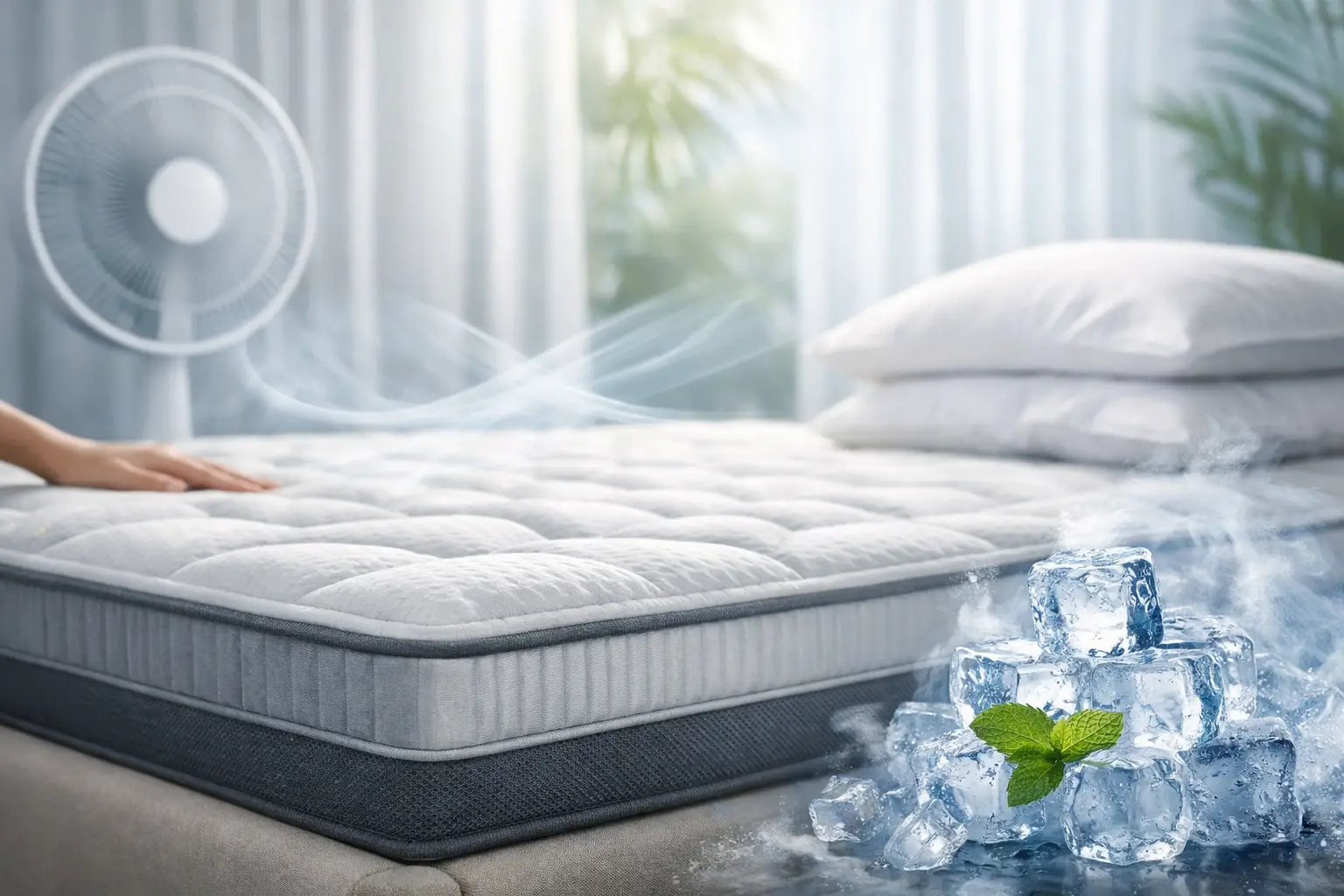
If you wake up kicking off the comforter, flipping the pillow, and hunting for the cool side of the bed, the mattress is usually part of the problem. The best mattresses for hot sleepers are designed to release heat, improve airflow, and keep your body from sinking too deeply into warm, heat-trapping layers.
That sounds simple, but cooling is not one-size-fits-all. A mattress that feels fresh and breathable for one sleeper can still run warm for another, especially if body weight, sleep position, room temperature, and bedding are working against it. The smartest way to shop is to look beyond cooling claims and focus on how materials, construction, and firmness work together.
What actually makes a mattress sleep cool?
A cool-feeling cover can make a strong first impression, but the deeper layers matter more over the course of the night. Heat tends to build when your body sinks into dense foam with limited airflow. That is why mattresses with open structures, breathable fillings, and stronger support cores usually perform better for hot sleepers.
Pocket sprung mattresses are often a strong choice because the coil system allows air to move more freely through the bed. Hybrid mattresses can also work well, especially when they combine springs with breathable comfort layers rather than thick slabs of traditional memory foam. Latex is another material worth considering because it tends to feel more buoyant and less heat-retentive than classic foam.
Memory foam is where the trade-off often shows up. It can deliver excellent pressure relief and motion control, but some all-foam designs hold onto heat. That does not mean every memory foam mattress sleeps hot. Newer versions use gel infusions, open-cell structures, and more breathable covers, but they still tend to feel warmer than spring-led builds if you prefer a crisp, airy sleep surface.
Best mattresses for hot sleepers by mattress type
The easiest way to narrow your options is to match cooling performance with the feel you want. A mattress can be breathable and still be too firm, too soft, or too reactive for your sleep style.
Pocket sprung mattresses
For many shoppers, this is the safest starting point. Pocket springs create natural airflow and usually offer a more lifted feel than dense foam. If you sleep hot and dislike the sensation of sinking into the mattress, a pocket sprung model can feel noticeably fresher.
They also suit couples well because many modern designs balance airflow with targeted support. The main thing to watch is the comfort layer on top. If a pocket sprung mattress uses deep foam quilting, it may still sleep warmer than expected.
Hybrid mattresses
A hybrid mattress is often the sweet spot for hot sleepers who still want cushioning. You get the support and ventilation of springs with the comfort of foam, latex, or quilted fillings above.
This is where construction matters most. A hybrid with a moderate comfort layer and strong spring support can feel cool, balanced, and easy to move on. A hybrid packed with thick memory foam can feel more body-hugging and warmer. If cooling is your top priority, look for breathable top layers and a firmer, more supportive profile.
Latex mattresses
Latex has a naturally springier feel, which helps reduce that stuck-in-the-bed sensation that can trap warmth around the body. It is a strong option for sleepers who want pressure relief without the deep contouring of memory foam.
The feel is different, though. Latex tends to be more responsive and slightly pushier. Some people love that lifted support, while others prefer the slow, cushioned feel of foam. If you want cooler sleep and easier movement, it is a smart category to consider.
Memory foam mattresses
Memory foam can still work for hot sleepers, but only if the design is done well. If you like contouring comfort, pressure relief at the shoulders and hips, and low motion transfer, you may not want to rule it out.
The key is to avoid overly soft, all-foam builds that let you sink too far. Look instead for gel-infused foam, open-cell foam, or memory foam paired with a more breathable support system. A medium-firm feel often works better than plush if you are trying to sleep cooler.
How firmness affects temperature
Many shoppers focus only on materials, but firmness plays a big role too. Softer mattresses let the body settle further into the comfort layers, which increases surface contact and traps more warmth. Firmer mattresses keep you more elevated, which usually improves airflow around the body.
That does not mean every hot sleeper should buy a firm mattress. Side sleepers often need more pressure relief, especially around the shoulders and hips. If the mattress is too firm, comfort drops quickly. In that case, a medium or medium-firm hybrid often gives the best balance of cooling and contouring.
Back and stomach sleepers usually have more flexibility here. They often sleep cooler on medium-firm to firm mattresses because the body stays more level and supported. Heavier sleepers should pay particular attention to this. If the mattress is too soft, extra sink can make even a breathable model feel warmer.
Features worth paying for and features to question
Cooling claims can be heavily marketed, so it helps to separate what makes a practical difference from what sounds impressive on a product page.
Breathable covers, spring support cores, ventilated latex, and open-cell foams are all worth taking seriously because they improve airflow or reduce heat retention in a clear way. Moisture-wicking fabrics can also help if night sweats are part of the problem.
Phase-change materials and cooling gels can be useful, but expectations should stay realistic. Many of these technologies create an initially cool touch rather than all-night temperature control. They can improve comfort, but they do not cancel out a mattress built with dense, heat-holding layers.
Edge support matters more than many people realize. A mattress with stronger edge support often feels more stable and easier to move around on, which can help prevent that enveloped, overheated feeling. It is not a cooling feature on its own, but it contributes to a more lifted sleep experience.
How to choose the best mattress for your sleep style
Hot sleeping rarely happens in isolation. The right mattress still needs to suit how you sleep, whether you share the bed, and what level of support your body needs.
If you are a side sleeper, start with a breathable hybrid or latex model in a medium to medium-firm feel. You need enough give for pressure relief, but not so much that you sink into heat-retaining foam.
If you are a back sleeper, a medium-firm pocket sprung or hybrid mattress is often a strong match. It keeps the spine supported while allowing enough airflow through the structure.
If you are a stomach sleeper, firmer models usually perform best. Too much softness can throw off alignment and create more body contact with the mattress surface, which tends to feel warmer.
If you sleep with a partner, motion control may matter almost as much as cooling. Hybrids with individually wrapped springs are often a strong middle ground because they limit movement transfer better than traditional open coils while still offering better airflow than many all-foam options.
Don’t overlook the rest of the bed
Even the best mattresses for hot sleepers can underperform if the rest of the setup traps heat. Thick mattress toppers, synthetic bedding, and heavy duvets can all make a cooling mattress feel warmer than it really is.
Breathable sheets, lighter bedding, and a bed frame that allows some airflow underneath can all help. This matters even more if your room naturally runs warm. In many cases, the mattress solves part of the issue, but the full sleep environment is what changes how cool you actually feel at 2 a.m.
This is also where style and function can work together. A modern bedroom setup should look polished, but it should still support how you sleep in real life. If you are upgrading your bed and mattress at the same time, it makes sense to choose a setup that feels contemporary while still prioritizing airflow, support, and everyday comfort.
What most hot sleepers should avoid
If overheating is your main complaint, be cautious with ultra-plush all-foam mattresses, especially those with deep memory foam comfort layers. They can feel cozy at first but often hold more heat overnight.
You should also be careful with mattresses described only as soft and cloud-like without much detail on airflow or support construction. Those comfort-focused descriptions can sound appealing, but hot sleepers usually need a bit more balance and structure.
That said, there is always an it-depends factor. If you are very lightweight, sleep in a cool room, and love a softer feel, you may still do well on foam. The goal is not to avoid certain materials completely. It is to understand how they are likely to behave once you have been lying on them for several hours.
Shopping for a cooler mattress gets easier when you focus less on buzzwords and more on the way the mattress is built. A breathable hybrid, pocket sprung design, or responsive latex model will suit most hot sleepers better than a deeply plush foam bed, but the best choice is the one that keeps you supported as well as cool. When both are right, falling asleep feels easier and staying asleep usually does too.