How to Choose a Modern Bed That Fits

How to Choose a Modern Bed That Fits

A bed can look perfect on screen and still feel completely wrong once it lands in your bedroom. Too bulky for the room, too low for comfort, too minimal for the rest of your furniture, or simply not practical enough for real life. That is why knowing how to choose a modern bed matters – it is not just about liking the design, but finding the right balance of style, size, support, and function.

Modern beds are popular for good reason. They give a bedroom a cleaner, more current look, and they often work well with a wide range of interiors, from soft minimalist spaces to bolder contemporary setups. But “modern” covers a lot of ground. A low-profile upholstered frame creates a very different feel from a sleek wooden platform bed or a storage bed with a statement headboard. The best choice depends on how you live, how you sleep, and what your room can realistically handle.

Start with the room, not the bed

One of the fastest ways to narrow your options is to look at your room before you look at finishes, fabrics, or headboard shapes. A modern bed should make the space feel more polished, not more crowded.

Measure the room carefully, including where doors open, where windows sit, and how much clearance you need around the bed. If you are furnishing a smaller bedroom, a slim frame with clean lines will usually feel lighter than a deep, heavily padded design. If the room is generous, you can afford a bolder silhouette, a taller headboard, or a wider frame that acts as the focal point.

Ceiling height matters too. Low-profile beds tend to look sharp in modern interiors, but in a room with very low ceilings they can make the whole setup feel flatter. On the other hand, a tall headboard can add welcome presence in a larger bedroom, especially if the rest of the furniture is simple.

How to choose a modern bed in the right size

Size is about more than whether a mattress technically fits. It affects movement around the room, visual balance, and how comfortable the bed feels over time.

If you sleep alone, a full or queen may be enough depending on how much space you like. For couples, queen is often the practical starting point, while king works better if you have the room and want more personal space. In guest rooms, it depends on how often the bed will be used and by whom. A full can be versatile, while a queen feels more generous.

It also helps to think beyond sleeping. Do you sit up in bed to read? Do kids or pets regularly join you? Are you trying to create a hotel-style feel? Those details shape what size will feel comfortable day to day.

A common mistake is choosing the biggest bed the room can physically hold. That usually leaves too little breathing room for nightstands, walkways, or storage pieces. A modern bedroom should feel calm and uncluttered, so proportion matters just as much as mattress dimensions.

Pick the frame style that matches your version of modern

Modern design is not one single look. Some shoppers want soft and understated. Others want bold, architectural, and unmistakably current. The right bed frame should connect with the rest of your bedroom rather than compete with it.

Upholstered beds are a strong choice if you want warmth and comfort with a contemporary edge. They soften the room, work well with neutral palettes, and often feel more inviting than harder materials. Boucle, velvet-look, and woven fabrics can all look modern, but each creates a different mood. Lighter fabrics feel airy, while darker tones add drama.

Wooden modern beds suit shoppers who want a cleaner, more timeless finish. They can feel Scandinavian-inspired, mid-century leaning, or sleek and minimal depending on the shape and tone of the wood. If your room already has other wood furniture, pay attention to undertones so the finishes feel intentional rather than mismatched.

Metal frames can also work beautifully in a modern room, especially in black, brushed finishes, or simple geometric forms. They often feel visually lighter, which can help in compact spaces.

The headboard deserves extra attention. A tall paneled headboard can bring instant impact, while a lower, simpler one keeps the room feeling open. If your bed is going to be the statement piece, keep surrounding furniture more restrained. If you already have standout wardrobes, dressers, or lighting, a quieter bed frame may be the smarter move.

Think honestly about storage

A modern bed should earn its place, especially if space is tight. If your bedroom is short on closet space or you are trying to keep visual clutter under control, built-in storage can make a real difference.

Ottoman and drawer storage beds are especially useful in apartments, family homes, and guest rooms where extra bedding, seasonal clothes, or spare pillows need a home. They help you keep the room looking streamlined, which suits a modern aesthetic.

There is a trade-off, though. Storage beds are often bulkier than simple platform frames, and some designs are heavier in appearance. If your room is already compact, you need to balance the storage benefit against how much visual space the frame takes up. For some shoppers, a cleaner bed frame paired with separate storage furniture feels less cramped. For others, hidden storage is the best way to maintain a neat, contemporary look.

Don’t separate the bed from the mattress

If you are learning how to choose a modern bed, it is easy to focus on appearance and leave the mattress decision until later. That usually leads to a setup that looks good but does not feel right.

Your bed frame and mattress need to work together. Check the support system first. Some modern beds use slats, others use platform-style bases, and some are designed for more specialized sleep setups. Mattress height also changes the final look. A low bed with a very deep mattress may lose its sleek profile, while a thin mattress on a tall frame can look out of proportion.

Comfort matters just as much as appearance. If you prefer a firmer feel, memory foam, hybrid, and traditional spring options will each give you a different result. If you share the bed, think about motion transfer, edge support, and temperature preferences. A modern bedroom should feel good to use, not just good to photograph.

Pay attention to materials and upkeep

A stylish bed still has to survive real life. That means thinking about durability, cleaning, and how the finish will wear over time.

If you have kids or pets, very pale upholstery may not be the easiest option, no matter how beautiful it looks. Textured fabrics can be forgiving, while smooth finishes may show marks more quickly. Wood finishes vary too. Some are better at hiding everyday wear, while high-gloss surfaces can show dust and fingerprints faster.

This is where practical shopping matters. Look for product details that explain materials clearly and give you a realistic sense of maintenance. A bed that suits your lifestyle will hold its appeal much longer than one chosen only for trend value.

Match the bed to the rest of the bedroom

A modern bed works best when it feels connected to the rest of the room. That does not mean everything has to match exactly, but there should be a clear visual direction.

If your nightstands, dresser, and wardrobe are all angular and streamlined, a heavily traditional bed will feel out of place. If your room leans soft and layered, an ultra-industrial frame may feel too harsh. Think about shape, finish, and visual weight across the whole setup.

This is especially useful when shopping online. Instead of judging the bed in isolation, imagine the full composition. Will it work with your lighting, your rug, your wall color, and the pieces you already own? Contemporary rooms usually look strongest when there is consistency in tone, even if materials vary.

Shop with confidence, not just excitement

Style gets the click, but buying confidence closes the gap between browsing and actually placing the order. A bed is a major purchase, so it is worth checking the practical details before you commit.

Look closely at dimensions, assembly requirements, lead times, and what is included. Bed images can make a frame look grander or softer than it appears in a real room, so specifications matter. It is also smart to buy from a retailer that makes the process feel secure, with clear delivery information, protected payment options, and a fair returns policy. For many online shoppers, that reassurance is just as important as the design itself.

At Brays UK, for example, the appeal is not just contemporary style. It is the ability to compare modern beds, mattresses, and coordinating furniture in one place without losing the convenience and trust signals people want when buying bigger-ticket pieces online.

The best modern bed is the one that fits real life

Trends come and go, but the right bed should still feel right after the novelty wears off. If it suits your room, supports your sleep, and makes the bedroom feel more put together, you are on the right track.

A good modern bed does not need to be the boldest or the most expensive option. It just needs to make your space work better and look sharper every time you walk in.

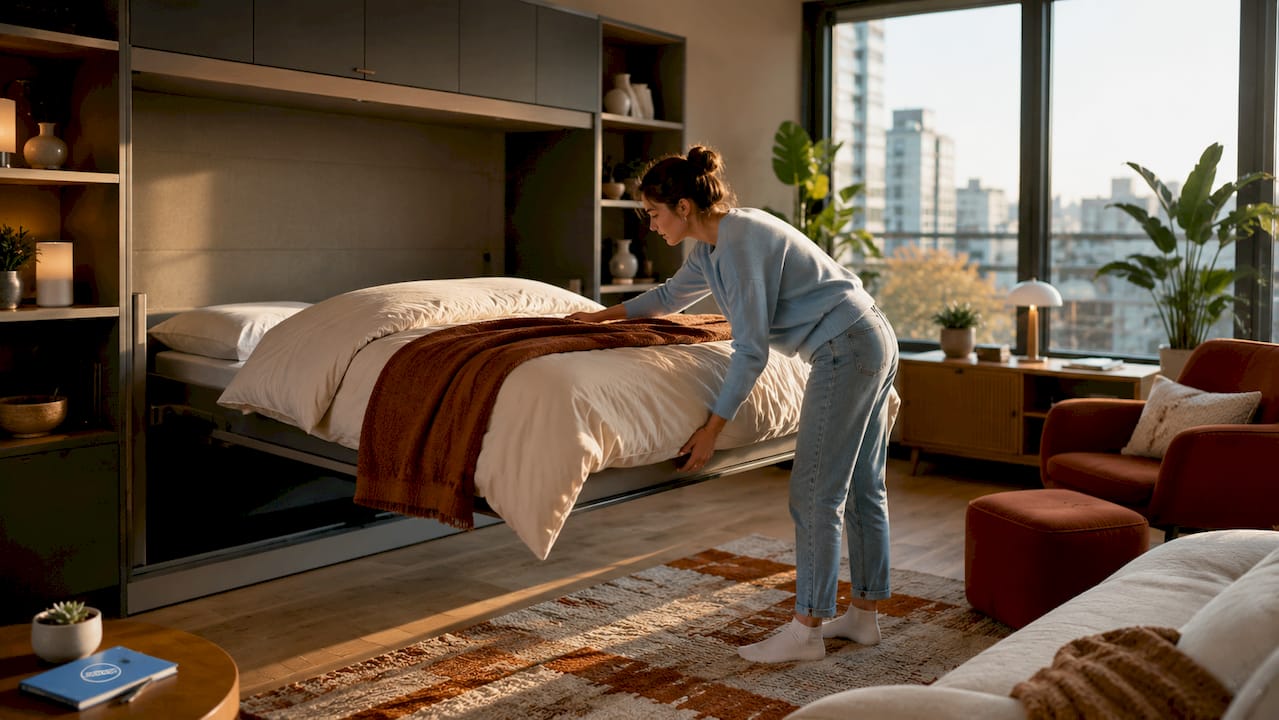
Woman adjusting Murphy bed in stylish bedroom

How to pick a murphy bed for a stylish bedroom

A Murphy bed, also known as a wall bed, is a fold-away sleeping solution that retracts into a cabinet or wall unit when not in use, freeing your floor space without sacrificing bedroom elegance. When you pick a Murphy bed for a stylish bedroom, the decision goes far beyond simply choosing a bed that disappears. The finest wall beds integrate into cabinetry with shelving, desks, or storage drawers, creating a permanent-feeling installation that reads as bespoke furniture rather than a temporary fix. Models like the Puremind Murphy Bed demonstrate how integrated features such as USB charging ports and solid wood cabinetry can deliver both function and refined aesthetics in a single piece.

What types of murphy beds suit a stylish bedroom?

Murphy beds differ from simpler wall beds by integrating into cabinetry, often with desks or shelves, offering superior aesthetics for high-design bedrooms. Understanding the core types helps you match the right structure to your room’s proportions and style.

Vertical Murphy beds fold upward into a tall cabinet and suit rooms with standard ceiling heights of 2.4 metres or above. They are the most common format and pair naturally with flanking bookshelves or wardrobes. Horizontal Murphy beds fold sideways into a wider, lower unit, making them ideal for rooms with lower ceilings or loft conversions where vertical clearance is limited.

Man installing vertical Murphy bed in cabinet

Type Best Room Shape Style Benefit Installation Note
Vertical cabinet Tall, narrow rooms Draws the eye upward, creates height Requires 2.4m+ ceiling clearance
Horizontal cabinet Wide, low-ceiling rooms Keeps proportions balanced Needs wider wall space
Cabinet with desk Home office doubles Conceals workspace when folded Desk folds with or separately
Cabinet with shelving Living or guest rooms Looks like built-in furniture Shelves remain accessible when open

Customisable wall beds allow you to mix orientation, finish, and integrated features. Brands such as Lori Beds offer seven finish options alongside desk upgrades, so the unit coordinates precisely with your existing room palette. That level of personalisation is what separates a stylish installation from a purely utilitarian one.

Infographic showing steps to choose a Murphy bed

Pro Tip: Measure your ceiling height and the width of your intended wall before choosing orientation. A vertical bed in a low-ceilinged room will feel oppressive, while a horizontal unit in a tall, narrow space wastes the room’s best architectural asset.

How to integrate a murphy bed into your existing décor

The most common mistake with wall beds is treating them as standalone pieces. Custom cabinetry and integration are the keys to a stylish, permanent-feeling result, according to interior designer Agárdy. The goal is for the closed unit to read as built-in furniture, not as a cupboard hiding a bed.

To achieve that cohesive look, consider the following:

  • Match the finish to your room’s palette. Paint or veneer the cabinet in the same tone as your walls for a recessed, architectural effect. A warm oak finish suits natural, Scandi-influenced rooms; a lacquered white suits contemporary minimalist spaces.
  • Use modular cabinetry to flank the unit. Extending the cabinet system with matching bookcases or wardrobes on either side creates a full-wall installation that feels custom-built.
  • Avoid small, disconnected furniture. Design experts recommend anchoring small rooms with well-integrated Murphy bed systems rather than filling the space with numerous small pieces. One substantial, well-chosen unit commands the room far more effectively.
  • Layer textures and tonal colours. Introduce linen cushions, a woven throw, and a low-pile rug in complementary tones to soften the cabinetry and add warmth.

Pro Tip: If your room has coving or picture rails, extend the cabinet to meet them. That single detail transforms a freestanding unit into something that looks architecturally considered.

For broader strategies on styling multifunctional furniture in compact rooms, BraysUK’s dedicated guide covers the full approach in depth.

Which mattress works best in a murphy bed?

Mattress choice directly affects both the comfort and the visual proportions of your wall bed. Interior designers recommend investing in a high-quality mattress for both style and restorative sleep, and that principle applies equally to Murphy beds. The mattress must be compatible with the folding mechanism, which limits your options compared to a standard divan.

The most suitable mattress types include:

  • Foldable foam mattresses. These are the most common choice, as they compress without damage. Look for high-density memory foam of at least 15 centimetres for genuine comfort.
  • Pocket sprung mattresses. Some Murphy bed systems accommodate a thin pocket sprung mattress of up to 20 centimetres. Brands like Hästens and Casper produce mattresses emphasising thickness and plushness that translate well to wall bed use when the mechanism allows.
  • Avoid standard open-coil mattresses. These are too rigid to fold cleanly and will degrade quickly under the repeated stress of the folding action.

Mattress thickness also affects the cabinet’s closed dimensions. A 20-centimetre mattress adds visible depth to the unit when closed, so factor that into your room’s spatial planning from the outset. The right bedroom furniture affects your daily comfort in ways that go well beyond aesthetics, and the mattress is where that principle is most acutely felt.

What are the installation requirements for a murphy bed?

Safe installation is non-negotiable. Wall-mounting hardware adds structural stability, and this is particularly critical in homes with children or pets. A poorly anchored unit poses a genuine safety risk.

Follow these steps for a sound installation:

  1. Locate solid wall studs or masonry. The cabinet must anchor into structural material, not plasterboard alone. Use a stud finder before drilling.
  2. Remove skirting boards for a flush fit. A professional installation requires removing the skirting board along the base of the wall so the cabinet sits flat against the surface.
  3. Choose the right lift mechanism. Manual piston lifts suit lighter users and occasional use. Assisted or spring-loaded lifts reduce daily effort and extend the mechanism’s lifespan considerably.
  4. Check ceiling clearance with the bed fully open. Allow at least 30 centimetres of clearance beyond the mattress length to avoid the bed striking light fittings or furniture.
  5. Consider professional installation for integrated systems. DIY installation is feasible for freestanding units, but cabinet systems that span a full wall benefit significantly from professional fitting.

A Murphy bed anchored into plasterboard alone will shift over time and may fail catastrophically. Always fix into studs or masonry, and never compromise on this step regardless of the unit’s weight rating.

Stylish bedroom ideas that complement a murphy bed

A well-chosen wall bed deserves a room that matches its ambition. The surrounding décor either reinforces the sense of luxury or undermines it. These additions consistently elevate the overall effect:

  • Layered bedding. Use a combination of a firm duvet, a lightweight coverlet, and two or three textured cushions. Linen and velvet together create tactile richness without visual clutter.
  • Considered lighting. Layered lighting, including blackout roller shades paired with a bedside lamp and a low-level floor lamp, creates an atmosphere that shifts from functional to restful with ease.
  • An upholstered headboard. When the bed is open, a fabric headboard adds softness and visual warmth. BraysUK’s range of upholstered headboards pairs particularly well with cabinet-integrated wall beds.
  • A low-profile sofa or bench. Placing a slim upholstered bench at the foot of the open bed defines the sleeping zone and adds a hotel-suite quality to the room.
  • A cohesive colour scheme. Warm neutrals such as stone, putty, and soft sage work across cabinetry, soft furnishings, and walls without competing for attention.

Key takeaways

Picking a Murphy bed for a stylish bedroom requires matching the bed type, finish, and mattress to your room’s proportions, palette, and daily use patterns.

Point Details
Choose the right orientation Vertical beds suit tall rooms; horizontal units suit low-ceiling or wide spaces.
Integrate into cabinetry Flanking the unit with matching shelves or wardrobes creates a built-in, permanent aesthetic.
Select a compatible mattress High-density foam or thin pocket sprung mattresses of 15–20 centimetres suit most mechanisms.
Anchor into solid structure Fix into wall studs or masonry only; plasterboard fixings are unsafe for wall beds.
Layer décor thoughtfully Textured bedding, considered lighting, and a cohesive colour palette complete the stylish effect.

Why i think most people underestimate the murphy bed

The Murphy bed has spent decades being dismissed as a novelty or a compromise. Having observed furniture trends closely through 2025 and into 2026, I find that perception is shifting, and rightly so. The best modern Murphy bed designs I have seen are indistinguishable from bespoke fitted furniture when the door is closed. That is not a small achievement.

What most buyers still get wrong is treating the mattress as an afterthought. The mechanism and cabinetry receive all the attention, and then a thin foam pad is ordered as an add-on. The mattress is where you actually live. Prioritising comfort via quality mattresses and layered bedding elevates both sleep quality and the room’s overall aesthetic in ways that no amount of cabinetry finish can compensate for.

My honest observation is this: a Murphy bed installed with professional care, a quality mattress, and a considered surrounding scheme will outperform a standard bed in a small room on every measure. It gives you the room back during the day, and it gives you a genuinely beautiful sleeping space at night. That is not a compromise. That is good design.

— V

Discover BraysUK’s multifunctional bedroom collection

BraysUK brings together carefully selected bedroom furniture that balances contemporary design with lasting durability, giving you the ability to create spaces that feel both luxurious and genuinely liveable.

https://braysuk.com

Whether you are exploring compact bedroom furniture for a guest room or seeking a statement wall bed for your primary suite, BraysUK’s collection is curated with both aesthetics and everyday functionality in mind. From modern beds for UK homes to expert guidance on small-space furniture strategy, BraysUK supports every stage of your decision. Explore the full range and discover how multifunctional furniture can transform the way you live in your home.

FAQ

What is the difference between a murphy bed and a wall bed?

A Murphy bed is a type of wall bed that folds into a dedicated cabinet, often with integrated shelving or a desk. Standard wall beds are simpler fold-down frames without the cabinetry, making Murphy beds the superior choice for design-conscious bedrooms.

How thick should a mattress be for a murphy bed?

A mattress of 15–20 centimetres suits most Murphy bed mechanisms. High-density foam is the most reliable choice; some systems also accommodate thin pocket sprung mattresses within that range.

Do murphy beds require professional installation?

Freestanding units can be self-installed, but full-wall cabinet systems benefit from professional fitting. Safe anchoring into solid wall studs or masonry is critical, and removing skirting boards for a flush finish requires carpentry skill.

Can a murphy bed look like built-in furniture?

Yes. Customisable Murphy beds with matching cabinetry, coordinated finishes, and flanking shelving units create a permanent, built-in aesthetic that is indistinguishable from bespoke joinery when the bed is closed.

What complementary furniture works best alongside a murphy bed?

An upholstered headboard, a low-profile bench, and layered lighting work particularly well. These additions define the sleeping zone and add warmth without cluttering the space when the bed is folded away.

Woman selecting fabric on Mid-century Modern sofa

Types of modern furniture styles: a homeowner’s guide

Types of modern furniture styles are design categories defined by clean lines, functional forms, and material honesty, each serving a distinct aesthetic and spatial purpose. Whether you are furnishing a rented flat or a family home, understanding these categories transforms guesswork into confident, considered choices. The main styles you will encounter include Mid-century Modern, Contemporary, Minimalist, Scandinavian, Bauhaus, and Organic Modern. Each carries its own philosophy, material palette, and visual language. Knowing the difference means you select pieces that genuinely suit your space rather than simply filling it.

1. What defines Mid-century Modern furniture?

Mid-century Modern is the most enduring of all modern interior styles, originating in the 1950s and 1960s and still commanding strong demand today. Its defining features are tapered legs, organic curves, and minimal ornamentation, all grounded in geometric practicality. The style favours natural woods such as teak, walnut, and oak, chosen for their warmth and grain character rather than surface decoration.

Close-up of hands examining chair leg craftsmanship

What makes Mid-century Modern so liveable is its balance. Pieces feel purposeful without being cold, and decorative without being fussy. Iconic silhouettes, such as the tulip base dining table or the low-slung lounge chair, remain immediately recognisable across decades.

Key characteristics to look for:

  • Tapered or splayed wooden legs on sofas, chairs, and sideboards
  • Warm wood tones: teak, walnut, rosewood, and oak
  • Upholstery in mustard, burnt orange, olive, or teal
  • Geometric forms with subtle organic curves
  • Minimal surface decoration, letting material quality speak

Pro Tip: When buying Mid-century Modern pieces, check that leg joints are mortise-and-tenon rather than dowelled. Mortise-and-tenon construction lasts decades; dowelled joints loosen under daily use.

2. Contemporary vs modern furniture explained

Contemporary and Modern are the two most frequently confused furniture categories. Modern style emphasises symmetry, slim silhouettes, and exposed legs that create an airy, horizontal feel. Contemporary style, by contrast, is fluid. It adapts to current trends, favouring overstuffed deep-seat comfort, asymmetrical forms, and soft edges that often touch the floor.

The practical distinction matters when you are shopping. A Modern sofa sits low and lean, with visible legs and tight upholstery. A Contemporary sofa wraps you in generous cushioning and may feature lacquer accents or mixed material contrasts. Both share neutral colour palettes, but Contemporary styling introduces bolder textural contrast and curved asymmetry.

Contemporary furniture designs in 2026 increasingly blur the line between furniture and art. Design professionals note that pieces like Vitra’s ‘Bascule’ lounge chair use advanced engineering and hidden adjustable suspension systems to embed personality and emotion into functional objects. That shift reflects a broader movement: Contemporary furniture is no longer just about how a piece looks. It is about how it makes you feel.

“Contemporary furniture increasingly incorporates emotional and artistic elements, moving beyond ‘form follows function’ by embedding narrative and sophisticated references in design.” — Wallpaper, 2026

Key distinctions at a glance:

  • Modern: symmetrical, slim profiles, exposed legs, straight lines
  • Contemporary: asymmetrical, curved, overstuffed, mixed materials including metal and glass

3. Minimalist and Scandinavian styles compared

Minimalist furniture focuses on uncluttered spaces, neutral colour palettes, and clean lines that remove everything non-essential. Scandinavian design shares that restraint but adds warmth: natural materials, soft textures, and a craftsmanship ethic rooted in Nordic tradition. Both styles suit smaller homes and rental spaces particularly well, because they create a sense of openness without sacrificing comfort.

The key difference lies in emotional temperature. Minimalism can feel austere if handled carelessly. Scandinavian design counters that with tactile warmth: linen throws, birch frames, and muted earthy tones that invite you to settle in. Brands like Muuto have built their reputation on precisely this balance, producing chairs and shelving that feel both spare and genuinely welcoming.

Feature Minimalist Scandinavian
Colour palette White, grey, black Warm whites, oat, sage, birch
Primary materials Concrete, steel, lacquered wood Solid wood, wool, linen
Emotional tone Calm, austere Warm, functional
Ornamentation None Subtle craft details
Best suited to Urban apartments, studios Family homes, cottages

Both styles benefit from multifunctional furniture choices, where a single piece serves storage, seating, and display simultaneously.

4. Bauhaus and Organic Modern: two influential philosophies

Bauhaus furniture is defined by industrial aesthetics, geometric forms, and material honesty. Metal tubing, simple shapes, and a strict rejection of surface decoration are its hallmarks. The philosophy holds that beauty emerges from function, not ornament. Marcel Breuer’s tubular steel chairs from the 1920s remain the clearest expression of this thinking, and their influence runs through countless modern office and dining chairs produced today.

Organic Modern takes the opposite emotional direction. Where Bauhaus is angular and industrial, Organic Modern is curved, tactile, and ecologically minded. It draws on natural forms: rounded edges, stone surfaces, rattan accents, and FSC-certified timbers. Manufacturing techniques such as CNC bending and precision laser cutting allow designers to achieve fluid curves without mechanical fasteners, resulting in pieces that reveal their construction honestly.

Notable characteristics of each:

  • Bauhaus: metal frames, geometric upholstery, monochrome palettes, no decorative moulding
  • Organic Modern: curved silhouettes, natural stone or wood surfaces, warm neutrals, ecological materials

Material honesty and advanced fabrication produce furniture that is not only refined in appearance but easier to ship and assemble. That matters considerably for renters who move frequently and need pieces that travel well without losing structural integrity.

5. How to choose the right modern furniture style for your home

Selecting from the types of modern furniture styles available requires honest assessment of three things: your room’s proportions, your daily habits, and your tolerance for maintenance. A Bauhaus steel-framed chair suits a high-ceilinged urban flat beautifully but can feel cold in a low-ceilinged cottage bedroom. A Scandinavian oak sideboard works in almost any setting but demands regular oiling to maintain its finish.

Follow this process when making your selection:

  1. Measure your room and note ceiling height. Low-profile Modern and Minimalist pieces suit rooms under 2.5 metres. Taller, more sculptural Contemporary pieces need generous vertical space.
  2. Identify your primary use. A home office demands Bauhaus practicality. A living room invites Scandinavian warmth or Contemporary comfort.
  3. Choose one anchor style, then layer. Select one dominant style for your largest piece, then introduce complementary accents from a second style for depth.
  4. Prioritise repairability. Pieces with modular swappable cushions extend usability and reduce long-term cost, a particularly sound investment for renters who refresh their spaces regularly.
  5. Check material durability against your lifestyle. Teak and walnut age gracefully with use. Lacquered finishes show scratches. Linen upholstery breathes but marks more readily than velvet.

Pro Tip: Before purchasing, place a paint swatch of your wall colour next to a fabric or wood sample from the piece you are considering. Colours that harmonise in a showroom can clash dramatically under domestic lighting.

For renters navigating limited square footage, a small space furniture strategy built around one cohesive style prevents the visual clutter that makes compact rooms feel smaller.

Key takeaways

The most effective approach to choosing modern furniture styles is to identify one anchor style that suits your space, then layer complementary pieces with restraint and material awareness.

Point Details
Mid-century Modern remains dominant Look for teak or walnut, tapered legs, and organic curves from 1950s–1960s design.
Contemporary differs from Modern Contemporary favours curves and deep-seat comfort; Modern prioritises symmetry and slim profiles.
Minimalist and Scandinavian suit small spaces Both use clean lines and natural materials, but Scandinavian adds warmth through texture and craft.
Bauhaus and Organic Modern offer contrasting philosophies Bauhaus is geometric and industrial; Organic Modern is curved, tactile, and ecologically minded.
Repairability extends furniture value Choose pieces with modular cushions or single-material construction for longevity and flexibility.

Why I think most people choose furniture style backwards

Most homeowners and renters begin with aesthetics and work backwards to practicality. They fall in love with a Bauhaus-inspired steel chair in a catalogue, bring it home, and discover it is unwelcoming in a warm, low-lit sitting room. The style was never wrong. The sequence was.

What I have found genuinely useful is starting with the emotional register of a room rather than its measurements. Ask yourself how you want to feel in the space, not just how you want it to look. A room where you read and unwind calls for Scandinavian warmth or Organic Modern curves. A home studio or study rewards the disciplined clarity of Bauhaus or Minimalism.

The second thing most people overlook is repairability. Furniture that reveals its construction, whether through exposed plywood layers or a single loop of bent wood, is furniture you can maintain and restore. That is not just an ecological consideration. It is a financial one. A well-chosen piece that lasts fifteen years is always better value than three trend-chasing replacements.

Finally, do not be afraid to mix styles deliberately. Mid-century Modern and Scandinavian sit together naturally. Contemporary and Organic Modern share a love of tactile materials. The combinations that feel considered are the ones where each piece earns its place.

— V

Discover your ideal modern furniture style with BraysUK

At BraysUK, we believe that furniture is one of the most personal investments you make in your home. Whether you are drawn to the timeless warmth of Mid-century Modern, the lavish comfort of Contemporary design, or the quiet elegance of Scandinavian craft, our carefully curated collections are selected to help you build spaces that feel genuinely your own.

https://braysuk.com

Explore our guides on bedroom furniture and daily comfort to understand how the right pieces transform not just a room but your daily experience. If you are working with a compact home or rental space, our advice on choosing a sofa for comfort and style will help you select pieces that balance beauty with practical living. BraysUK is here to support every stage of your modern furniture journey, from first inspiration to final delivery.

FAQ

What are the main types of modern furniture styles?

The principal types of modern furniture styles include Mid-century Modern, Contemporary, Minimalist, Scandinavian, Bauhaus, and Organic Modern. Each is defined by distinct materials, silhouettes, and design philosophies suited to different spaces and lifestyles.

What is the difference between Contemporary and Modern furniture?

Modern furniture favours symmetry, slim profiles, and exposed legs, while Contemporary furniture embraces asymmetry, overstuffed comfort, and mixed materials including metal and glass. Contemporary style evolves with current trends; Modern style references a specific mid-twentieth-century design movement.

Which modern furniture style suits a small flat or rental?

Minimalist and Scandinavian styles suit compact spaces best, as both prioritise clean lines, light-coloured natural materials, and uncluttered forms that make rooms feel larger and more open.

Is Bauhaus furniture still relevant in 2026?

Bauhaus remains highly relevant, particularly in urban and studio settings. Its geometric forms, metal frames, and rejection of surface decoration align naturally with contemporary preferences for material honesty and functional simplicity.

How do I make modern furniture last longer?

Choose pieces with modular replaceable cushions and single-material or minimal-fastener construction. These design choices reduce failure points, simplify repairs, and allow you to refresh upholstery without replacing the entire piece.

Single vs Double Bed: Which Size Fits Best?

Single vs Double Bed: Which Size Fits Best?

A bed can look perfect on the product page and still feel wrong the moment it lands in your room. That is usually the real issue behind the single vs double bed decision. It is not only about dimensions – it is about how you sleep, how much floor space you want to keep, and whether the bed needs to work hard for a guest room, a growing child, or your everyday bedroom setup.

If you are choosing between the two, the best option usually comes down to three things: who is sleeping in it, how your room is laid out, and how much flexibility you want over the next few years. Style matters, of course, but size is what makes the room feel easy to live in.

Single vs double bed: the basic size difference

A standard single bed is designed for one sleeper and is the more compact choice. A double bed gives you noticeably more width, which can make a big difference for solo sleepers who like to stretch out, and it is often the smallest size two adults would consider for regular use.

On paper, the difference can seem simple. In practice, it changes the whole feel of a bedroom. A single keeps the room more open and easier to move around in. A double creates a fuller, more finished look and tends to make the space feel more like a main bedroom rather than a spare or child-focused room.

That is why square footage alone does not tell the whole story. Two rooms of the same size can suit completely different bed sizes depending on window placement, door swing, built-in storage, and the rest of your furniture.

When a single bed makes more sense

A single bed is often the smart choice when space is tight or the room needs to stay flexible. In smaller bedrooms, it leaves more room for wardrobes, nightstands, desks, or open floor space. That can be especially useful in apartments, kids’ rooms, and guest spaces where every inch matters.

For children and teens, a single bed can be a practical long-term option if the room is compact. It gives enough sleeping space without overwhelming the layout. If you are furnishing a bedroom that also needs to function as a study area or play space, a single often keeps the balance right.

It also works well in occasional-use rooms. If the bed is mostly for overnight guests rather than daily sleeping, a single can be the more efficient pick, particularly when paired with a stylish frame or storage-friendly design. A room that feels uncluttered tends to feel more welcoming, even if the bed itself is smaller.

There is also a budget angle. A single bed frame, mattress, and bedding usually cost less than a double, so it can be the better-value move when you are furnishing multiple rooms or trying to keep the spend sensible without compromising on comfort.

When a double bed is worth the extra space

A double bed earns its place when comfort is the priority. For one adult, it gives you more freedom to shift position and spread out. If you are used to sleeping diagonally, using extra pillows, or sharing the bed with a pet, the added width can feel like an instant upgrade.

For couples, a double is often the minimum practical size. That said, whether it feels comfortable enough depends on your sleep habits. Two adults who do not move much may sleep perfectly well on a double. If one or both of you are restless sleepers, it can feel a bit tight over time.

A double can also transform the look of a room. In a primary bedroom, it tends to feel more substantial and polished. Add an upholstered headboard, an ottoman base, or a clean-lined wooden frame, and the whole space starts to feel more considered. If you want the bed to be the visual anchor of the room, a double often does that more naturally than a single.

Room size matters, but layout matters more

A common mistake is choosing the largest bed the room can technically fit. A better approach is choosing the largest bed the room can comfortably live with. There is a difference.

Before you decide, think beyond the bed footprint. You need enough clearance to walk around it, open drawers, access closets, and make the bed without turning the room into an obstacle course. A double bed in a tight room can leave the space feeling squeezed, even if it looks great in photos.

A single bed, on the other hand, can sometimes make a room feel too sparse if the bedroom is medium to large and meant for an adult. In that case, the issue is not comfort but proportion. The room may feel less finished, especially if the rest of the furniture is more substantial.

The easiest way to judge it is to map the bed out on the floor before buying. Use masking tape or even flattened boxes to visualize the footprint. That quick step often makes the right answer obvious.

Think about who the bed is really for

This is where the single vs double bed choice becomes more personal. A bed for a child is not the same decision as a bed for a guest room, and neither is the same as a bed for your own bedroom.

If the room is for a younger child, a single usually makes perfect sense. If it is for a teenager or a young adult, a double can offer more longevity, especially if the room is large enough to handle it comfortably. It avoids the need to size up again too soon.

For guest rooms, it depends on who typically visits. If the room is used by one person at a time, a single may be all you need. If you regularly host couples, a double is the more considerate option. The same logic applies to multipurpose rooms that double as home offices – a single bed may preserve function, while a double may improve overnight comfort.

For your own room, it helps to be honest about sleep style. If you value extra sleeping space and your room can support it, a double usually feels like the more comfortable everyday investment.

Storage and bed style can tip the balance

Size is only part of the decision. The bed base you choose can change how practical each option feels.

A single bed with built-in storage can be a strong solution for smaller homes, especially when closet space is limited. Drawers underneath or an ottoman lift-up design can reduce the need for extra furniture, which helps the room feel cleaner and more efficient.

A double bed can do the same job, but because it takes up more floor space, the storage feature often becomes even more valuable. In a compact main bedroom, a double ottoman bed can be a smart compromise – you get the wider sleeping area without giving up precious storage.

Style matters too. A slim metal or wooden frame will feel lighter in a smaller room, while a chunky upholstered bed can look more luxurious but take up more visual space. If you are leaning toward a double in a tighter bedroom, choosing a more streamlined frame can make the room feel less crowded.

Mattress comfort changes the experience

People often focus on bed size first and mattress type second, but the two work together. A well-chosen mattress can make a single bed feel more comfortable than a double with the wrong support.

For solo sleepers, the key question is how much room you need once you are actually lying down. If you sleep curled up and rarely move, a single may be enough. If you change positions often or like a more spacious feel, a double is usually the better match.

For couples, mattress quality becomes even more important. On a double bed, motion transfer and support matter because there is less personal space to begin with. The right mattress can make a shared double feel far more comfortable night after night.

So which should you choose?

Choose a single bed if you want to maximize floor space, furnish a smaller room, or create a practical setup for one sleeper. It is compact, cost-effective, and often the right fit for kids’ rooms, guest rooms, and multipurpose spaces.

Choose a double bed if you want more comfort, a more substantial bedroom look, or a bed that suits either one adult with room to spare or two adults who do not mind a cozier sleep space. It costs more and asks more from the room, but it often feels like a worthwhile upgrade when daily comfort is the goal.

If you are still torn, think less about what fits today and more about how the room needs to work next year. The best bed size is the one that keeps the room stylish, comfortable, and easy to use long after the excitement of buying it wears off.

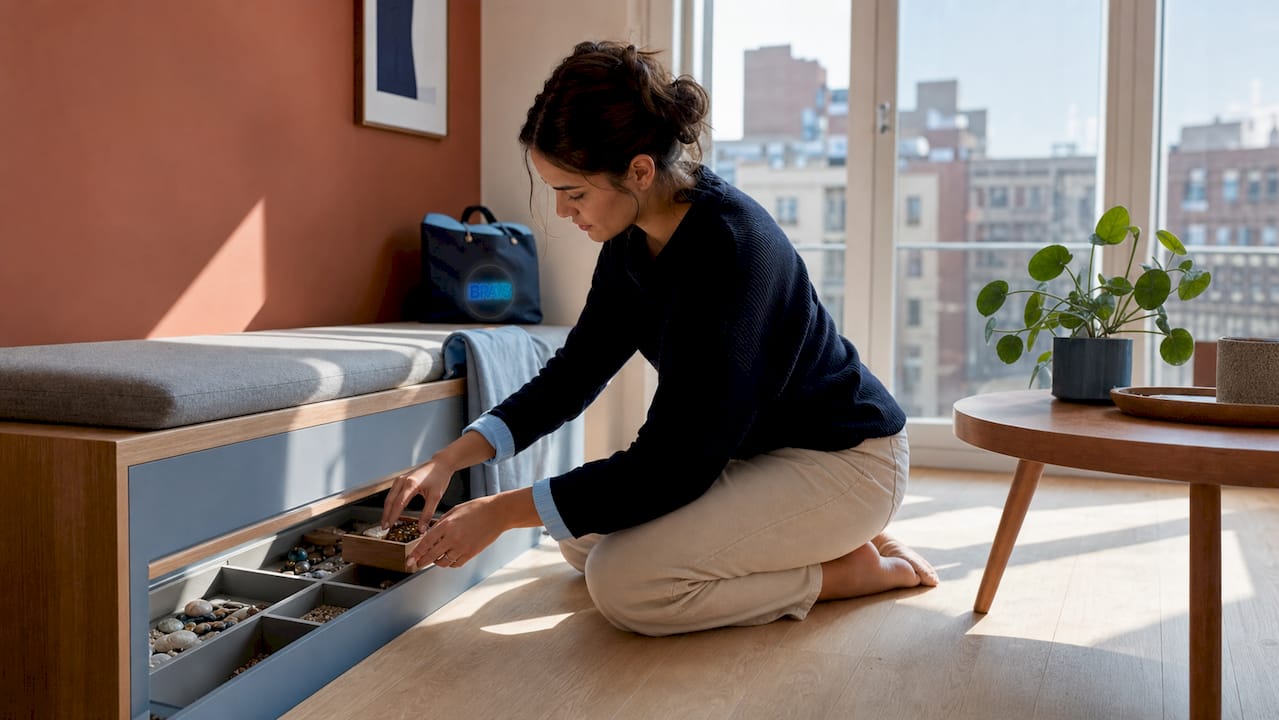
Woman placing items into hidden ottoman storage

What is hidden storage furniture for small homes

Hidden storage furniture is defined as furniture with integrated, concealed compartments that maximise usable space while preserving style and reducing visual clutter in the home. For anyone living in a compact flat or modest house, this category of space-saving furniture represents one of the most considered investments you can make. Products range from beds with hydraulic lift platforms to security-focused pieces like GhostVault, which uses NFC-activated concealed drawers with no visible hardware whatsoever. Decoora, a specialist in invisible storage design, describes the principle simply: use the spaces you already have, and make them disappear beautifully.

What is hidden storage furniture and how does it work?

Hidden storage furniture is the broader category that designers and retailers also call concealed storage furniture or multifunctional furniture. The defining characteristic is that storage compartments are integrated into the piece itself, invisible at normal viewing distances. There are no protruding handles, exposed hinges, or visible seams to betray the compartment’s existence.

The design philosophy draws on a simple truth: most rooms contain significant unused volume. Dead spaces under beds, behind wall panels, inside stair risers, and beneath window seats represent square footage that conventional furniture ignores entirely. Hidden storage furniture reclaims that volume without adding bulk to the room.

Technology plays a growing role in this category. Gas-lift hydraulics allow a bed base to rise smoothly with minimal effort, revealing a full platform of storage beneath. Soft-close mechanisms prevent slamming and extend the life of concealed compartments. At the premium end, NFC unlocking means a compartment has no visible lock at all, opening only when the correct device is held nearby.

Man opening hydraulic lift bed storage

The importance of concealing hardware

The quality of a hidden storage piece lives or dies by its hardware. Concealing locks internally and eliminating visible seams at normal viewing distances is what separates a genuinely invisible compartment from a merely tidy one. When you can see the hinge, the illusion breaks. The best pieces in this category treat hardware concealment as a primary design constraint, not an afterthought.

Pro Tip: When assessing any hidden storage piece in person or online, crouch to eye level with the furniture surface. If you can spot a seam or hinge line from that angle, so can your guests.

What types of hidden storage furniture are available?

The range of concealed storage options available today is broader than most people realise. Here is a comparison of the most practical types for small homes and apartments:

Infographic comparing built-in and freestanding hidden storage furniture

Furniture Type Storage Method Best For
Ottoman or storage bench Lift-off or hinged lid Living room blankets, cushions
Hydraulic lift bed Gas-lift platform base Seasonal clothing, bedding
Lift-top coffee table Rising tabletop mechanism Remote controls, books, cables
Headboard with sliding panels Concealed side compartments Bedside essentials, reading material
GhostVault drawer unit NFC-activated, seamless surface Valuables, documents, secure items

Family Handyman identifies at least ten distinct furniture types that incorporate hidden compartments, from wall shelves with concealed boxes to foldable dining tables with internal trays. The variety means there is a solution for virtually every room and every budget.

  • Beds with hydraulic lifts offer the largest single storage volume in any home, often equivalent to a full wardrobe’s worth of space beneath the mattress.
  • Ottomans and storage benches are the most accessible entry point, requiring no installation and suiting rental properties perfectly.
  • Headboards with sliding compartments keep bedside essentials within reach without cluttering a bedside table. BraysUK’s range of upholstered headboards includes options designed with exactly this dual purpose in mind.
  • Lift-top coffee tables transform a living room surface into a concealed tray, ideal for remote controls, chargers, and paperwork.

Pro Tip: In a rental flat where you cannot alter walls or floors, focus on freestanding pieces like ottomans and lift-top tables. They deliver genuine storage gains without requiring a single screw in the wall.

How do hidden storage solutions enhance daily living?

Good concealed storage does more than hide objects. Designers stress that integrating storage architecturally reduces visual noise, making rooms feel lighter and more spacious than their actual dimensions suggest. This is the psychological dividend of well-executed hidden storage: the room breathes.

Usability, however, is equally important. Poor access mechanisms reduce the effectiveness of hidden storage dramatically. A compartment that requires two hands, a specific angle, and considerable force will simply stop being used within weeks. Modern concealed compartments address this with lift hydraulics and soft-close components that make opening and closing feel effortless.

The placement of items within hidden storage matters as much as the storage itself. Access frequency should guide placement: items you reach for daily belong in low-friction compartments at comfortable heights, while seasonal or rarely used items suit deeper or harder-to-reach spaces. This principle prevents hidden compartments from becoming the domestic equivalent of a forgotten drawer.

Smart additions are now appearing across the category. LED or motion-sensor lighting inside concealed compartments improves visibility without disturbing the room’s ambience, a detail that makes a genuine difference when retrieving items in low light.

Practical tips for integrating concealed storage into small spaces

Choosing the right piece is only half the task. Placing and using it well determines whether it genuinely transforms your home.

  1. Audit your dead zones first. Walk through each room and identify unused volume: the space under your bed, the gap beside the wardrobe, the hollow beneath a window seat. These are your highest-value targets.
  2. Match the mechanism to the frequency of use. A hydraulic lift bed suits seasonal storage. A lift-top coffee table suits daily access. Mismatching the two creates frustration.
  3. Prioritise hardware quality. Soft-close hinges and gas-lift struts are the components most likely to fail on cheaper pieces. Inspect or research these specifically before purchasing.
  4. Choose pieces that serve two functions. An ottoman that doubles as a coffee table and a storage unit earns its floor space three times over. This is the core logic of multifunctional furniture for small spaces.
  5. Re-evaluate storage contents every six months. Hidden compartments can accumulate clutter just as readily as open shelves. A twice-yearly review keeps them purposeful.

Pro Tip: Measure the internal dimensions of any storage piece before purchasing, not just the external footprint. A bed frame that looks generous can have a surprisingly shallow storage cavity if the base construction is thick.

Key takeaways

Hidden storage furniture is the most space-efficient category available for small homes, provided the mechanism quality, placement logic, and access frequency are all considered together.

Point Details
Core definition Hidden storage furniture integrates concealed compartments invisibly into everyday pieces.
Design principle Reclaiming dead zones like under-bed space adds storage without increasing room bulk.
Hardware quality Soft-close hinges and gas-lift struts determine long-term usability and durability.
Placement logic Frequently used items belong in low-friction compartments; seasonal items suit deeper spaces.
Technology integration NFC locks and motion-sensor lighting represent the current frontier of concealed storage design.

Why hidden storage changed how i think about small spaces

The conventional advice for small homes has always been to declutter. Sell things, store things off-site, own less. That advice is not wrong, but it misses something. The real problem in most compact homes is not the volume of possessions. It is the visibility of them.

When I first encountered a properly executed hydraulic lift bed, the reaction was not “how clever.” It was “why does every bed not work like this?” The storage volume beneath a standard double mattress, when properly utilised, rivals a full chest of drawers. That is not a marginal gain. It is a room-changing one.

The pieces that disappoint are almost always the ones where usability was sacrificed for concealment. A hidden compartment that takes thirty seconds to open will be left closed. The best products in this category, including those BraysUK selects for its range, treat ease of access as a non-negotiable design requirement, not a secondary consideration. Invest in quality mechanisms. The difference in daily experience is considerable.

— V

Discover BraysUK’s range of space-saving furniture

For those ready to transform a compact home into a considered, elegant living space, BraysUK offers a curated selection of multifunctional and concealed storage furniture designed with both form and function in mind.

https://braysuk.com

From hydraulic lift beds to beautifully upholstered storage ottomans, each piece is chosen for its craftsmanship, durability, and capacity to make a real difference in how a room feels and functions. The small space furniture strategy guide on the BraysUK website offers detailed advice on selecting and positioning pieces for maximum impact. For those focused on the bedroom specifically, the guide on bedroom furniture and daily comfort explains how the right choices affect rest, routine, and the overall quality of your living experience.

FAQ

What is the difference between hidden and multifunctional furniture?

Hidden storage furniture conceals compartments within a single piece, while multifunctional furniture serves two or more distinct purposes, such as a sofa bed. Many pieces combine both qualities, offering concealed storage alongside a secondary function.

Are hydraulic lift beds difficult to use daily?

Gas-lift hydraulic beds are designed for effortless operation, requiring minimal effort to raise the platform. Quality mechanisms use calibrated struts that hold the base open securely, making access straightforward even for frequent use.

Can hidden storage furniture work in a rented flat?

Freestanding pieces like storage ottomans, lift-top coffee tables, and hydraulic lift beds require no permanent installation, making them ideal for rental properties. They deliver significant storage gains without altering the property in any way.

How do nfc-activated hidden drawers work?

NFC-activated drawers like GhostVault use battery-powered locking mechanisms concealed entirely within the furniture surface. Holding a paired NFC device near the panel unlocks the compartment with no visible keyhole or handle required.

Does hidden storage furniture cost significantly more than standard furniture?

Entry-level options such as storage ottomans and lift-top tables are competitively priced with standard equivalents. Premium pieces with NFC locks or precision hydraulics carry a higher cost, reflecting the quality of their mechanisms and the longevity they offer.

Designer touching luxury leather armchair cushion

What does luxury feel mean in furniture?

Luxury furniture is defined by intentional design, structural integrity, and a sensory experience that communicates calm, refinement, and enduring quality. The concept, known in design circles as experiential luxury, goes far beyond price tags or decorative flourishes. What does luxury feel mean in furniture? It means every proportion, material, and finish has been chosen to serve both the eye and the body. Luxury is not about accidentally assembling expensive items but about deliberate decisions made with emotional intent. That distinction separates a truly luxurious room from a merely costly one.


How does design intention create the luxury furniture feel?

The luxury furniture experience begins with proportion and restraint, not decoration. Multiple competing focal points cause cognitive friction that actively diminishes the sense of luxury in a room. A space with a single, well-considered focal point, such as a generously scaled sofa or a beautifully framed bed, allows the eye to settle and the mind to relax.

Minimalist luxury living room with design sketches

Designers refer to this quality as visual silence. Visual silence is about intentionally withholding rather than adding, creating spaces where simplicity and depth align to communicate luxury. A room crowded with statement pieces cancels itself out. One room with a single well-styled focal point reads as considered and refined.

Negative space and layered lighting reinforce this effect. Leaving breathing room around a piece of furniture allows its silhouette and material quality to register fully. Warm, layered lighting then draws out the texture of upholstery and the grain of timber, adding depth without adding clutter.

  • Choose one dominant piece per zone and let it lead
  • Use negative space deliberately around key furniture to frame its form
  • Layer ambient, task, and accent lighting to reveal material quality
  • Avoid mixing more than two contrasting styles in a single room

Pro Tip: Before purchasing any new piece, sketch your room layout to scale. Identify the existing focal point. If a new piece competes with it rather than supporting it, reconsider the choice.


What materials and craftsmanship define the luxury furniture experience?

True luxury furniture is engineered from the inside out, with structural integrity as the foundation rather than surface finish. A beautifully upholstered sofa with a weak frame will creak, flex, and lose its shape within years. A piece built on hand-jointed hardwood will hold its form and comfort for decades.

Comparison infographic of luxury vs non-luxury furniture features

Luxury furniture frames are often hand-joined with precise tolerances to avoid squeaking or flexing, which compromises both comfort and longevity. This level of frame construction is invisible to the eye but immediately apparent to the body. You feel it in the stillness of a sofa when you sit, and in the solidity of a drawer when you close it.

Luxury materials are chosen for repairability and graceful ageing, often sourced from disciplined European manufacturing traditions. Full-grain leather develops a rich patina over time. Solid oak deepens in tone. These materials reward ownership rather than demanding replacement.

  • Frame: Look for solid hardwood or kiln-dried timber, not MDF or particleboard
  • Joinery: Hand-joined or mortise-and-tenon construction signals genuine craftsmanship
  • Upholstery: Full-grain leather, high-twist wool, or performance-grade linen age with character
  • Finish: Brushed, hand-applied, or wax-finished surfaces reveal care; uniform spray finishes often conceal shortcuts

Pro Tip: When evaluating a sofa or chair in person, press firmly on the seat corners and listen. No sound, no flex. That silence is the sound of quality construction.


What sensory experience does luxury furniture provide?

The feeling of luxury in furniture is, at its core, an emotional and neurological response. Luxury design reduces cognitive load by guiding the eye gently with clear hierarchy and intentional negative space. The brain perceives this as calm and control, producing an almost immediate sense of relaxation upon entering a well-furnished room.

True luxury furniture provides comfort, refinement in natural light, and ages gracefully without losing structural integrity. That combination of physical comfort and visual refinement is what separates a luxurious piece from a merely expensive one. How bedroom furniture affects your daily comfort is a direct expression of this principle: the right piece shapes your mood from the moment you wake.

The sensory cues that signal luxury feel are specific and learnable. Here are the key indicators to notice:

  1. Touch: Upholstery feels dense and resilient, not thin or scratchy. Cushions return to shape slowly and fully.
  2. Sound: Drawers close with a soft, controlled click. Frames produce no creak or flex under weight.
  3. Sight: Proportions feel balanced from every angle. No single detail competes aggressively for attention.
  4. Light response: Surfaces shift subtly under natural light, revealing texture and depth rather than a flat, uniform sheen.
  5. Spatial calm: The room feels ordered and unhurried. You notice what is there, not what is missing.

Many clients mistakenly believe luxury comes from finishes applied late in design, but it begins with the emotional intent behind the space. Finishes are the final expression of a decision made much earlier, at the level of structure, proportion, and purpose.


How to choose furniture that embodies luxury feel

Selecting furniture with genuine luxury feel requires knowing what to look for before you enter a showroom. The features of luxury furniture cluster around three qualities: structural soundness, material integrity, and design coherence with the space it will occupy.

Luxury furniture buyers benefit from visiting high-end showrooms where the focus is on design alignment rather than transactional sales. Bring room dimensions and photographs to assess how a piece will influence mood and spatial flow. A sofa that looks proportionate on a showroom floor may overwhelm a modest sitting room, or disappear in a generous one.

Feature Luxury Furniture Non-Luxury Furniture
Frame construction Hand-joined solid hardwood Stapled MDF or particleboard
Upholstery Full-grain leather or high-twist natural fabric Bonded leather or low-grade polyester
Finish Hand-applied, wax, or brushed Uniform spray or laminate
Ageing Develops character and patina Fades, chips, or delaminates
Emotional effect Calm, considered, enduring Visually busy or quickly dated

Knowing the intended emotional use of a space is equally important. A bedroom calls for warmth and stillness. A living room may welcome a bolder, more structured presence. Matching the emotional register of a piece to its room is how luxury furnishings meaning translates from theory into daily life.

Pro Tip: Never prioritise finish over frame. A beautifully upholstered piece on a weak frame is a short-term investment. Always ask about the internal construction before committing to a purchase.


Key takeaways

Luxury furniture feel is the product of structural integrity, proportional restraint, and deliberate material choices that serve both the senses and the emotions over time.

Point Details
Luxury begins with intention Emotional design intent, not price or decoration, defines the luxury furniture experience.
Visual silence is the key design principle Restraint and a single focal point reduce cognitive friction and create a sense of calm.
Structure precedes surface Hand-joined frames and quality materials determine longevity and authentic feel.
Sensory cues reveal quality Touch, sound, light response, and spatial calm are reliable indicators of true luxury.
Bring a plan when shopping Room dimensions and photographs help assess whether a piece supports the intended atmosphere.

The quiet truth about luxury furniture

Most people approach luxury furniture as a visual exercise. They focus on colour, finish, and style, and then wonder why the room still feels unsatisfying once everything arrives. The truth is that luxury reveals itself quietly, through proportion and build, not through spectacle.

I have seen rooms furnished with genuinely expensive pieces that felt chaotic and cold. I have also seen modestly priced rooms that felt deeply considered and restful. The difference was always intention. The restful rooms had one clear focal point, materials chosen for how they would feel underhand and underfoot, and enough space left empty to let the eye breathe.

The most common mistake is investing in surface quality while ignoring structural quality. A beautifully finished piece on a weak frame will disappoint you within two years. A well-built piece in a considered material will reward you for twenty. Luxury furniture supports daily life with endurance and comfort rather than superficial show. That is the standard worth holding.

— V


Discover furniture that feels genuinely luxurious at BraysUK

BraysUK curates furniture with the same principles this article describes: structural quality, considered proportions, and materials chosen for lasting comfort and refined appearance. Every piece in the BraysUK collection is selected to support the way you actually live, not merely to impress on first glance.

https://braysuk.com

Whether you are furnishing a bedroom sanctuary or a living room that needs to balance style with daily use, BraysUK offers guidance and pieces that embody the luxury feel described here. Explore how quality bedroom furniture shapes your comfort and well-being every single day, or discover the craftsmanship behind sofa frame construction that defines genuine longevity. BraysUK is here to help you build a home that feels as considered as it looks.


FAQ

What does luxury feel mean in furniture?

Luxury feel in furniture refers to the sensory and emotional experience created by intentional design, structural integrity, and carefully chosen materials. It is defined by calm proportions, tactile quality, and a sense of enduring refinement rather than price alone.

What are the key features of luxury furniture?

The defining features of luxury furniture include hand-joined solid frames, premium natural upholstery, hand-applied finishes, and proportions that create visual harmony. These qualities combine to produce a piece that ages with character and supports lasting comfort.

How does visual silence contribute to luxury home décor?

Visual silence is the deliberate use of restraint and negative space to reduce cognitive friction in a room. Spaces with fewer competing focal points feel calmer and more refined, which is why luxury home décor prioritises simplicity over accumulation.

How do i identify genuine craftsmanship when buying furniture?

Press firmly on seat corners and listen for any creak or flex. Open and close drawers to assess the smoothness and solidity of the mechanism. Ask about frame materials and joinery methods before committing to a purchase.

Is luxury furniture always expensive?

Not necessarily. Luxury feel is determined by design intention, material quality, and structural soundness rather than brand name or retail price. A well-built piece at an accessible price point can deliver a genuinely luxurious experience when chosen with care.

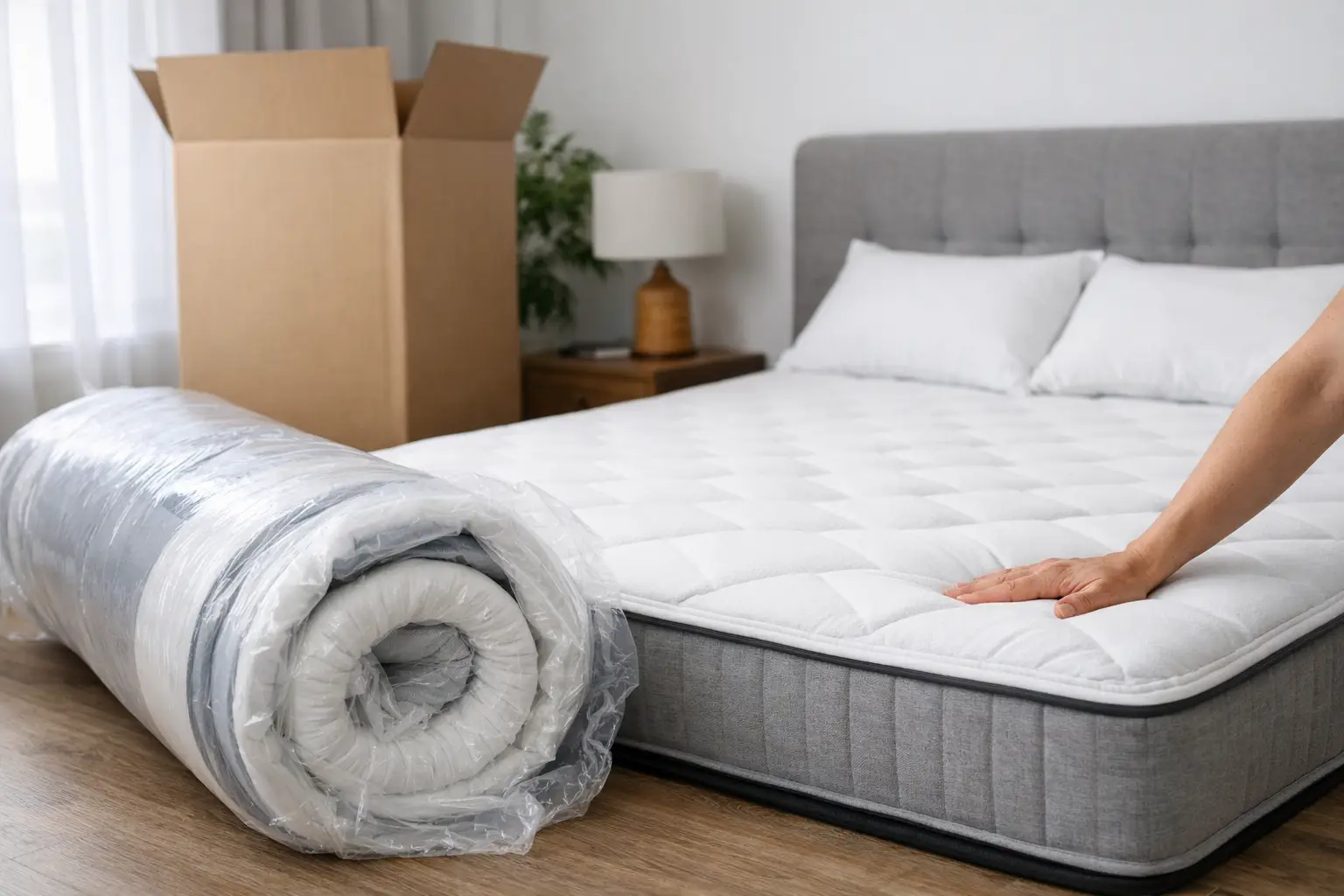
Mattress in a Box Review: Worth It?

Mattress in a Box Review: Worth It?

Buying a mattress used to mean wandering through a showroom, lying awkwardly on five different beds, and still going home unsure. A mattress in a box review matters because this category promises something shoppers actually want – modern convenience, easier delivery, and comfort that does not feel like a compromise.

For many people, the appeal is obvious. A boxed mattress is easier to order, simpler to get upstairs, and often more competitive on price than a traditional in-store option. But convenience alone does not make it the right fit for every sleeper. The real question is whether the comfort, support, temperature control, and long-term durability match what you need night after night.

Mattress in a box review: what you are really buying

A mattress in a box is compressed, rolled, sealed, and shipped in compact packaging. Once opened, it expands to its full shape over time. Most are made from memory foam, all-foam layers, latex-style foams, or hybrid constructions that combine foam with pocket springs.

That packaging format changes the buying experience more than the product itself. You are not buying a different category of mattress as much as you are buying a different route to the same goal – a supportive, comfortable bed with less hassle. That said, some materials handle compression better than others, and that can affect the feel in the first few days.

If you are expecting instant hotel-bed luxury the moment the plastic comes off, you may be disappointed. Many boxed mattresses need several hours to settle, and some take a day or two to feel more consistent across the surface. For shoppers furnishing a new bedroom or replacing a mattress quickly, that timing is worth checking before purchase.

The biggest advantages of a boxed mattress

The strongest selling point is convenience. Delivery is usually easier to manage than a full-size flat mattress, especially in apartments, narrow staircases, spare rooms, and homes where access is awkward. If you are upgrading a bedroom without wanting a complicated delivery experience, a boxed mattress feels refreshingly straightforward.

Price is another reason these models stay popular. Because many mattress-in-a-box brands are designed for online retail, pricing is often sharper, and promotional sales are common. That does not always mean cheap. It means the category tends to be competitive, which is good news if you want style, comfort, and value to work together.

There is also a cleaner comparison process. Online, you can assess mattress depth, materials, firmness, cooling features, motion isolation, and trial terms without showroom pressure. For style-conscious shoppers who already buy furniture online, that fits naturally with how they prefer to shop.

Where a mattress in a box review gets more nuanced

Not every boxed mattress performs the same way. The term sounds simple, but the quality gap between models can be significant. Some feel balanced and supportive. Others feel overly soft at the edges, too warm through the night, or less durable after regular use.

Firmness is one of the hardest areas to judge online. A “medium” feel can vary widely depending on the material mix and your body weight. If you are lighter, the mattress may feel firmer than expected. If you are heavier or share a bed, the same mattress may feel softer and less supportive over time.

Edge support is another common compromise, especially with all-foam designs. If you sit on the side of the bed often, or simply prefer a more secure feeling near the perimeter, hybrids usually perform better. This matters more than many people expect, particularly in smaller bedrooms where the mattress doubles as a sitting space while getting dressed.

Temperature is a genuine trade-off too. Memory foam can deliver pressure relief and motion control, but some sleepers find it warmer than a spring-led design. Cooling gel layers and breathable covers help, but they do not erase the basic character of the material.

How comfort compares with traditional mattresses

A good boxed mattress can absolutely compete with a traditional mattress. The best ones do not feel like a compromise at all. They offer strong body contouring, reduced motion transfer, and a polished finish that suits a modern bedroom setup.

Still, the feel is often distinct. All-foam boxed mattresses tend to create more of a cushioned, body-hugging sensation. Traditional spring mattresses often feel bouncier and more responsive. Hybrid boxed options sit in the middle, offering a blend of pressure relief and lift that appeals to a wider range of sleepers.

So are boxed mattresses better? It depends on what you value most. If you want easier delivery, a streamlined online buying experience, and modern foam or hybrid comfort, they are often a smart buy. If you strongly prefer a classic spring feel with sturdy edges and immediate responsiveness, you may need to choose carefully rather than assuming every boxed model will deliver that.

Who should consider one

A boxed mattress is especially well suited to first apartments, guest rooms, children’s rooms, and primary bedrooms where convenience matters as much as comfort. It also works well for couples who want to compare features online and make a decision without spending a weekend visiting stores.

If your priorities include motion isolation, easy setup, and competitive pricing, this category makes a lot of sense. It can also be ideal if you are refreshing a room and want the entire bed setup to feel current, practical, and easy to coordinate.

If you have more specific sleep needs, you should be more selective. Side sleepers usually benefit from deeper cushioning around the shoulders and hips. Back sleepers often need balanced lumbar support. Stomach sleepers typically do better with a firmer surface that keeps the midsection from sinking too far. People with joint pain, larger body frames, or a strong preference for cooler sleep may need to focus more on construction than packaging.

What to check before buying

A useful mattress in a box review should go beyond comfort claims and look at the details that shape everyday use. Material composition matters because it affects feel, heat retention, and durability. Mattress depth matters because a thinner model may not deliver the same support as a deeper, better-layered design.

Trial periods and return policies are just as important as specs. Mattresses are personal, and even well-reviewed options can feel wrong in your home. A decent trial gives you space to adjust and decide properly. For online shoppers, that reassurance is part of the value.

You should also check expansion guidance. Some mattresses can be slept on the same day, while others reach full performance after more time. Weight limits, bed base compatibility, and warranty terms deserve attention too, especially if you are pairing the mattress with an ottoman bed, adjustable base, or slatted frame.

Setup, off-gassing, and first-week expectations

Setup is usually simple, but not always elegant. The box is manageable compared with a flat mattress, yet some models are still heavy, especially in king sizes or hybrid builds. It is often a two-person job.

Once opened, expect a mild new-product smell in some foam mattresses. This is commonly called off-gassing. It usually fades within a few days in a well-ventilated room, but sensitivity varies from person to person. If you are very smell-sensitive, this is not a small detail.

The first few nights can also feel different from the long-term experience. Your body may need time to adjust, particularly if you are switching from an old spring mattress to foam. That adjustment window does not automatically mean the mattress is wrong, but it is another reason trial periods matter.

Is a mattress in a box good value?

Often, yes – especially when you buy from a retailer that combines strong product choice with clear delivery and returns information. The value comes from more than the price tag. It is the mix of convenience, broad style and comfort options, and the ability to shop with confidence from home.

The strongest value tends to come from well-made hybrids and better-quality foam mattresses rather than the very cheapest end of the market. Ultra-budget options can be tempting, but they may fall short on edge support, temperature control, or durability. A mattress is a long-use purchase, so a slightly higher upfront spend can make better sense if it improves how you sleep and how long the mattress lasts.

For shoppers already comparing bed frames, headboards, and bedroom furniture online, buying the mattress the same way feels like a natural extension of modern home shopping. That is part of why the category continues to grow. It fits the pace and practicality people expect.

A boxed mattress is not automatically the best mattress. It is simply a format that can be excellent when the materials, support, and aftercare policies are right. If you shop with a clear sense of your sleep style and look beyond the compact packaging, you are far more likely to end up with a bed that feels as good as the convenience sounds.

The smartest way to think about it is simple: buy the sleep experience, not the box.

Person comparing Trustpilot alternatives at desk

Top 5 Trustpilot.com alternatives 2026

Sourcing home furniture that combines enduring build quality, personalisation, and reliable aftercare is needlessly complicated. Most mainstream retailers restrict customisation, limit warranties, or deliver subpar support for buyers needing tailored solutions or premium finishes. This comparison details customisation, warranty terms, pricing, and delivery support across five alternatives so you can select a furniture retailer aligned with your needs.

Table of contents

Brays UK

https://braysuk.com

At a glance

BraysUK lists warranty coverage up to 10 years on some beds and mattresses. That warranty length signals a focus on durable builds and long term support. The range centres on electric adjustable beds with remote control and made to order mattresses. This choice suits buyers who prioritise personalised sleep setups for health or mobility needs.

Core features

BraysUK sells electric adjustable beds with remote control operation and multi position hinges for varied sleep and rest positions. Mattresses are made to order and offered in several support levels, from memory foam to pocket springs. Hardware options include lumbar adjusters and advanced remote controls for fine tuning. Optional finishes include memory foam, Coolmax fabric, and waterproof coatings to match medical or lifestyle requirements.

Key differentiator

The firm’s defining strength is the depth of customisation on offer. Customers can specify support level, add lumbar adjusters, and choose mattress materials to match clinical or comfort needs. That approach extends to bases and accessories, so the final sleep system fits a person rather than forcing one to adapt. Long warranties back many models, which adds a tangible guarantee to the custom work.

Pros

  • Extensive custom options that let you choose mattress firmness, materials, and adjustable bed mechanics. This reduces the risk of a poor match for back pain or mobility issues.

  • High quality materials such as memory foam, reflex foam, and pocket springs. These materials provide a mix of contouring and structural support for varied sleep preferences.

  • Long warranties on selected products give buyers measurable reassurance when investing in premium beds. The warranty terms support long term ownership and service claims.

  • Made to order production means beds and mattresses arrive tailored to measurements and specifications. This is useful for non standard bed sizes and special medical requirements.

  • A broad accessories catalogue covers bases and finishes, so you can complete a bedroom setup from one supplier.

Cons

  • The website has reported resource limit issues, which suggests occasional availability or ordering interruptions during maintenance or peak demand.

Who it’s for

BraysUK fits UK based buyers who value tailored sleep solutions for health or comfort reasons. This includes seniors, people with chronic back pain, and those needing adjustable beds for mobility. It also suits small hotels or care facilities that prefer customised sleep systems and long warranty cover.

Unique value proposition

VAT relief is available for eligible customers, which can lower the net cost of medical or mobility related beds. That fiscal support changes the purchase case for buyers who require adjustable systems on medical grounds. Coupled with made to order builds, the price reduction can make a bespoke sleep solution more accessible to those with documented needs.

Real world use case

A customer with chronic back pain orders a custom Flexisleep adjustable bed and selects memory foam and lumbar support per clinical advice. The bed arrives configured for the customer’s preferred positions and controlled by an advanced remote. Post delivery, the buyer uses warranty support for a minor adjustment and keeps the tailored setup for years.

Pricing

Most beds and mattresses range from approximately $980 to $2,532. Some premium models exceed that range and made to order items typically take additional manufacturing time. VAT relief is available for eligible customers and shipping and delivery options vary by order.

Website: https://braysuk.com

West elm

https://westelm.com

At a glance

West Elm sells contract-grade products and offers professional design support for larger projects. The brand pairs a broad catalogue of furniture, lighting, rugs, and outdoor items with exclusive collaborations. That mix makes it a favoured choice for style-conscious city residents and for firms specifying commercial interiors.

Core features

  • Extensive product catalogue covering furniture, outdoor, lighting, rugs, and kids’ furniture for whole-home furnishing.

  • Professional design support and contract-grade products aimed at larger residential or commercial projects.

  • Exclusive collaborations and curated collections that refresh seasonal ranges and limited-edition drops.

  • A loyalty programme that rewards repeat buyers and occasional promotional offers.

  • Practical planning tools such as design boards and styling services to help personalise a room.

Key differentiator

West Elm pairs mainstream retail with a professional supply arm. The retailer advertises both consumer collections and contract-grade solutions for specifiers. That combination suits projects that need design-led aesthetics alongside materials and finishes made for frequent use.

Pros

  • Stylish, modern furniture that tends to suit urban and contemporary interiors. The lines and finishes match current design tastes.

  • A wide selection across product categories so you can furnish most rooms from one place. That reduces the need to mix many vendors.

  • Access to professional design services and custom options for larger schemes. Clients can book consultations and use planning tools.

  • Regular exclusive collaborations, including well publicised partnerships, which keep collections feeling fresh. These collaborations often target trend-aware shoppers.

  • Contract solutions for commercial work, which helps designers and procurement teams source items built to higher durability standards.

Cons

  • Frequent customer complaints about severe delivery delays and logistics issues reported by users.

  • A high incidence of damaged or incorrectly shipped items, which forces additional returns and replacements.

  • Customer service receives criticism for slow or unhelpful resolution of problems in many reports.

  • Returns and refunds can be difficult and time consuming, with missing parts and wrong items cited often.

When it may not fit

If you need fast, fault-free delivery for a tight move-in schedule, West Elm may frustrate you. Customers who cannot tolerate damaged shipments or extended replacements should consider alternate suppliers. International buyers outside North America may face limited shipping options or restricted availability.

Who it’s for

West Elm suits modern, style-conscious urban dwellers who prioritise curated design and fashionable collections. It also appeals to interior designers and project managers who need contract-grade furniture for commercial or multiunit work. Buyers prepared to prioritise aesthetics and design collaborations over absolute logistical perfection will find value.

Real world use case

A city apartment owner browses West Elm to plan a living room refresh and uses design boards to test colour and scale. They join the loyalty programme, book a free design consultation, and place orders for a sofa, rug, and lighting. The service supports coordinated choices from the same curated collection.

Pricing

Prices vary widely across categories, from moderate decorative pieces to higher-end furniture. Typical large furniture items sit in the mid to high price band, while smaller accessories are more affordable. The site shows category pricing rather than fixed tiers because costs depend on size, finish, and custom options.

Website: https://westelm.com

Perigold

https://perigold.com

At a glance

Prices typically range from $200 to over $10,000 depending on product category and scale. That pricing reflects Perigold’s focus on luxury, designer level furnishings and rare finds. The site pairs a broad curated catalogue with optional design consultations for buyers seeking a finished look.

Core features

  • Vast curated selection of designer furniture and decor. A wide catalogue covers sofas, lighting, rugs, and decorative accessories from established brands.

  • Exclusive brands and collaborations. Perigold lists items that are often hard to find on mainstream marketplaces.

  • Free design consultation services for personalised styling. Buyers can book virtual guidance to refine choices and coordinate schemes.

  • Reliable and professional delivery and assembly. The platform offers white glove delivery for many large items.

  • Flexible return policy for high value purchases. Returns are available on many items despite their premium price.

Key differentiator

Perigold’s defining strength is its curated assortment of exclusive designer brands. That focus creates an experience similar to visiting a specialist showroom rather than a general marketplace. The platform suits buyers who prioritise rarity, provenance, and a refined aesthetic.

Pros

  • Extensive range of high end products. The catalogue supports whole room planning and sourcing of statement pieces.

  • Strong brand collaborations. Those ties yield unique items and limited edition collections not easily found elsewhere.

  • Responsive customer support with design guidance. The availability of design consultations helps buyers make confident choices for costly purchases.

  • Efficient logistics for large item delivery. Many purchases include professional assembly and scheduled delivery windows.

  • Visual rich, user friendly website for discovery. Photos, filters, and curated collections aid selection.

Cons

  • Occasional shipping delays and communication issues. Third party reviews record intermittent delivery problems and slow updates.

  • Higher price point limits affordability. The offer targets luxury buyers rather than bargain hunters.

  • Challenges with damaged items and return processes. Handling large, delicate deliveries increases the risk of damage and administrative friction.

  • Limited international shipping options. Customers outside the United States face extra costs or restricted availability.

When it may not fit

If you are based outside the United States and expect flat rate international shipping, Perigold will likely not meet your needs. Budget conscious shoppers seeking lower price ranges will find the inventory too premium. Organisations that need bulk discounts or commercial purchasing terms should look to suppliers with trade programmes instead.

Who it’s for

Discerning homeowners and interior professionals who seek luxurious, high quality furnishings will find Perigold well matched to their needs. Buyers who value curated edits, brand exclusivity, and access to styling help benefit most. People replacing single low cost items or working to a strict budget will not find the best fit here.

Real world use case

A homeowner renovating a living room uses Perigold to source a designer sofa, lighting, and rugs that share a coherent palette. They book a virtual design consultation to refine scale and finish choices. Perigold then schedules white glove delivery and assembly for the larger pieces.

Pricing

Pricing is item based and varies widely by category and brand. Typical items range from $200 to over $10,000 depending on scale and provenance. Free shipping appears on certain orders over specified thresholds and sale items appear seasonally.

Website: https://perigold.com

Kathy kuo home

https://kathykuohome.com

At a glance

Founded by award-winning interior designer Kathy Kuo in 2012, Kathy Kuo Home pairs signature pieces with a New York showroom and an online trade programme. The catalogue emphasises curated collections across French Country, Coastal Beach, and Modern Classic styles. Seasonal promotions can include up to 20% off selected ranges.

Core features

  • Curated collections by style and room that help you assemble a coherent look for living rooms, bedrooms, and outdoor spaces.
  • Custom upholstery options for several furniture lines, allowing tailored fabrics and finishes at point of order.
  • Trade programme that supports interior designers and businesses with access to exclusive products and terms.
  • International shipping available for customers outside the US, with duties and shipping billed separately.

Key differentiator

Kathy Kuo Home sells pieces conceived or chosen by interior experts rather than mass-market lines. That focus on curated and exclusive signature styles gives the range a consistent aesthetic. If you want furniture with a designer provenance and visible editorial direction, this is the most obvious angle.

Pros

  • High-quality, stylish furniture. Many pieces are designed in-house and feel durable in both finish and construction.

  • Strong customer support reported by buyers. The team will actively follow up on order issues according to user feedback.

  • Broad assortment across categories. You can buy furniture, rugs, outdoor items, and accessories from a single catalogue.

  • Sustainable manufacturing commitments. The brand highlights durability and responsible production for several collections.

  • Exclusive items and signature styles. Several pieces are available only through Kathy Kuo Home, which helps projects stand out.

Cons

  • Delivery delays reported by multiple customers, sometimes extending to months for certain items.

  • Communication about order and shipping status can be inconsistent, which complicates scheduling for installations.

  • Occasional reports of damaged or incorrect items on arrival, requiring returns or replacements.

  • Limited pricing transparency on custom or made-to-order pieces at checkout, so budgets may change after enquiry.

When it may not fit

Customers who need rapid delivery or predictable short lead times should consider other suppliers. Those buying large volumes for discount-driven retail use will find few bulk or wholesale price options. Buyers outside the brand’s primary shipping regions should expect additional cost and longer transit times.

Who it’s for

Design-conscious homeowners and interior designers seeking curated, long-lasting furniture that reads as editorial and refined. The typical customer values personalised options, exclusive styles, and a connection to a recognised interior designer. International shoppers who accept bespoke lead times will benefit from the selection.

Real world use case

A homeowner fitting a mountain lodge selects signature sofas, an upholstered bed, and custom fabrics from Kathy Kuo Home. They contact the design studio for upholstery choices and arrange international shipping to their property. Customer support helps schedule delivery and addresses a minor damage claim during transit.

Pricing

Most furniture pieces range from $300 to over $5,000. Decor accessories sit between $20 and $500. Seasonal discounts and sales reduce prices periodically. International shipping costs vary and are billed separately.

Website: https://kathykuohome.com

Article

https://article.com

At a glance

Direct partnerships with manufacturers let Article sell sofas in the $900–$1,700 range while keeping prices comparatively modest. The business reports a catalogue that spans living rooms, bedrooms, dining, outdoor, and home office furniture. Its appeal lies in Scandinavian-inspired design, straightforward online ordering, and curated bundles for cohesive styling.

Core features

  • Wide product assortment across living, dining, bedroom, outdoor, and office furniture with coordinated collections for each space.
  • Curated furniture bundles and room collections that reduce decision fatigue when buying multiple pieces.
  • Direct manufacturer relationships that the company cites as the reason for competitive pricing and material quality.
  • 30-day satisfaction guarantee together with accessible returns for customers who change their mind.
  • Interior design services and an Article Pro programme to support designers and small businesses seeking bulk or contract purchases.

Key differentiator

Article’s supply model centres on direct manufacturer partnerships to reduce retail mark up and keep prices lower. That model suits buyers who prioritise value and speed of purchase rather than bespoke finishes or full-service installation. Compared with BraysUK, Article focuses more narrowly on accessible, ready-to-buy collections and less on high-end customisation or UK-centred service.

Pros

  • Affordable pricing relative to perceived quality. Direct sourcing and efficient logistics explain how many items sit below typical retail prices.

  • Attractive, modern Scandinavian aesthetic. The range works well for homes and cafes that want a consistent, pared-back look.

  • Clear assembly instructions. Most customers can unbox and fit pieces without professional help.

  • Curated bundles and consistent finishes. These remove guesswork when furnishing complete rooms.

  • Financing options and occasional bundle discounts. These make larger purchases more manageable for homeowners and small businesses.

Cons

  • Customer service reports vary. Some buyers cite delays or slow responses from support teams.

  • Occasional quality control issues. Certain batches have returned reports of defects or damaged pieces on arrival.

  • Limited customisation options. Few fabric or finish choices are available for many lines.

  • Primarily North American operations. International buyers face restricted shipping or longer lead times.

When it may not fit

If you require bespoke upholstery, artisan joinery, or many finish options, Article will feel limiting. Buyers who need UK-based delivery and support should prefer a vendor with local stock. Customers who dislike DIY assembly will find the self-assembly expectation inconvenient.

Who it’s for

This service suits style-conscious, budget-aware individuals and small businesses who want modern furniture without the premium price. It matches DIY shoppers, interior designers seeking retail-priced pieces, and small cafés or offices wanting consistent, ready-made collections.

Real world use case

A young couple chooses a living room bundle, uses financing, and receives coordinated pieces in a few deliveries. They assemble sofas and tables themselves using the supplied instructions. The result is a cohesive, contemporary apartment interior achieved at a lower cost than many bespoke options.

Pricing

Most items range from $100–$2,000. Dining tables start around $600 and sofas commonly sit between $900–$1,700. Shipping can be free above a threshold and bundle discounts apply. Financing is available for larger purchases.

Website: https://article.com

Comparison of alternatives

Selecting the right furniture provider revolves around carefully assessing factors like quality, customisation, pricing, and logistical support. Each competitor in this overview shines in its own areas, prioritising distinct services to meet various customer needs.

Tailored customisation and service

When it comes to bespoke design and functionality, BraysUK has an edge due to its highly adjustable beds intended to cater to mobility and medical needs. Varied materials, such as memory foam and waterproof options, ensure suitability for specific applications. In contrast, Article prioritises accessible pricing and pre-styled collections, which simplify furnished planning but lack in personalised offerings.

Exclusive design partnerships

For those seeking unique and exclusive designs, Perigold stands out. With curated collaborations from well-known brands, the platform offers rarer finds, elevating its luxury appeal. Conversely, West Elm balances style and functionality with readily available collections but lacks Perigold’s focus on exclusivity.

Best fit

  • BraysUK is well-matched for individuals needing highly customised beds or mattresses built for specific health and comfort requirements.
  • Article suits budget-aware consumers looking for ready-made, stylish furniture solutions with DIY assembly.
  • Perigold caters to buyers prioritising luxury and exclusivity through curated brand partnerships and design services.
  • Kathy Kuo Home meets the needs of purchasers seeking refined, editorial furnishings fitting distinct styles like French Country or Modern Classic.

Our pick

BraysUK provides customisation for health-focused sleep solutions, featuring adjustable sleep systems tailored to individual needs. This offering ensures an match for buyers requiring adaptability due to medical or comfort conditions. However, price-conscious buyers or those interested in curated design pieces may prefer Article or Perigold, respectively, aligning with their specific preferences.

Selecting an appropriate home furniture provider, catering specifically to individual needs and preferences, involves comparing offerings across customisation, quality, and value to make an informed decision.

Brand Key Features Best For Pricing Limitation
BraysUK Electric adjustable beds, made-to-order mattresses; tailored for health needs Custom sleep setups for health and comfort £750–£1940 approximate Occasional website availability issues
West Elm Wide furniture and decor selection; professional design for projects Design-conscious urban buyers Varies by product, mid-high range Notable delivery issues reported
Perigold Luxury and designer furniture; personalised styling consultation High-end furnishings seekers $200–$10,000+ Limited international shipping options
Article Affordable, Scandinavian designs; direct-to-consumer model Budget-conscious modern aesthetic seekers $100–$2000 Minimal customisation options available
Kathy Kuo Home Curated collections; options for custom upholsteries Designer-focused and style-oriented individuals $300–$5000+ Possible delays in custom order shipping

Discover reliable alternatives to trustpilot with BraysUK

Facing the challenge of finding trustworthy reviews beyond traditional platforms like trustpilot.com alternatives can often leave you uncertain about your next home investment. BraysUK understands the importance of confidence when selecting high-quality furniture that combines timeless elegance with enduring comfort. Our commitment to craftsmanship and long-lasting warranties means you benefit from a dependable experience free from guesswork or disappointment.

Why choose BraysUK?

  • Customisable, made-to-order beds and mattresses tailored to your comfort needs
  • Long warranty periods that reflect our dedication to durability and customer care
  • A seamless online shopping journey designed with your lifestyle in mind

Explore the full BraysUK collection and embrace the privilege of an exquisite night’s sleep supported by our expert service. Take action today by visiting our website and personalise your perfect sleep solution with confidence.

FAQ

What customisation options does BraysUK offer for adjustable beds?

BraysUK provides an extensive selection of customisation options for their adjustable beds, allowing customers to specify support levels, add lumbar adjusters, and choose mattress materials tailored to their individual needs. This commitment to personalisation means that each sleep system can be finely tuned to accommodate comfort or medical requirements, enhancing the overall sleep experience for users. To achieve a perfectly tailored setup, consider exploring the specific options available through BraysUK.

How does BraysUK compare with west elm regarding product offerings?

West Elm is known for stylish, modern furniture that caters to urban and contemporary interiors, with a strong focus on design-led aesthetics and contract-grade solutions for commercial environments. In contrast, BraysUK specifically emphasises electric adjustable beds and made-to-order mattresses, making it more suitable for individuals needing specialised sleep solutions for health or mobility reasons. Buyers should assess their specific needs — whether for fashion-forward furniture or tailored sleep systems — before making a decision.

What warranty coverage does BraysUK provide for its products?

BraysUK offers warranty coverage of up to 10 years on select beds and mattresses, which underscores its focus on durable builds and long-term support for customers. This meaningful warranty provides reassurance for buyers concerned about the longevity and performance of their investment. It’s an appealing choice for those eager to ensure their sleep systems are both reliable and backed by a significant guarantee.

Can i personalise the materials used in my BraysUK mattress?

Yes, BraysUK allows customers to choose from a variety of materials, including memory foam and pocket springs, when creating their made-to-order mattresses. This feature caters to personal preferences regarding comfort and support, ensuring that each mattress aligns perfectly with individual sleep needs. Take advantage of this option to create a mattress that truly matches your preferred sleeping style.

Is BraysUK the right choice for someone with chronic back pain?

BraysUK is particularly well-suited for individuals with chronic back pain, as it offers extensive custom options that allow users to select mattress firmness and incorporate lumbar support tailored to their specific needs. This tailored approach significantly reduces the chance of discomfort, making it a wise choice for those prioritising therapeutic sleep solutions. Consider exploring their range to find an ideal match for your requirements.

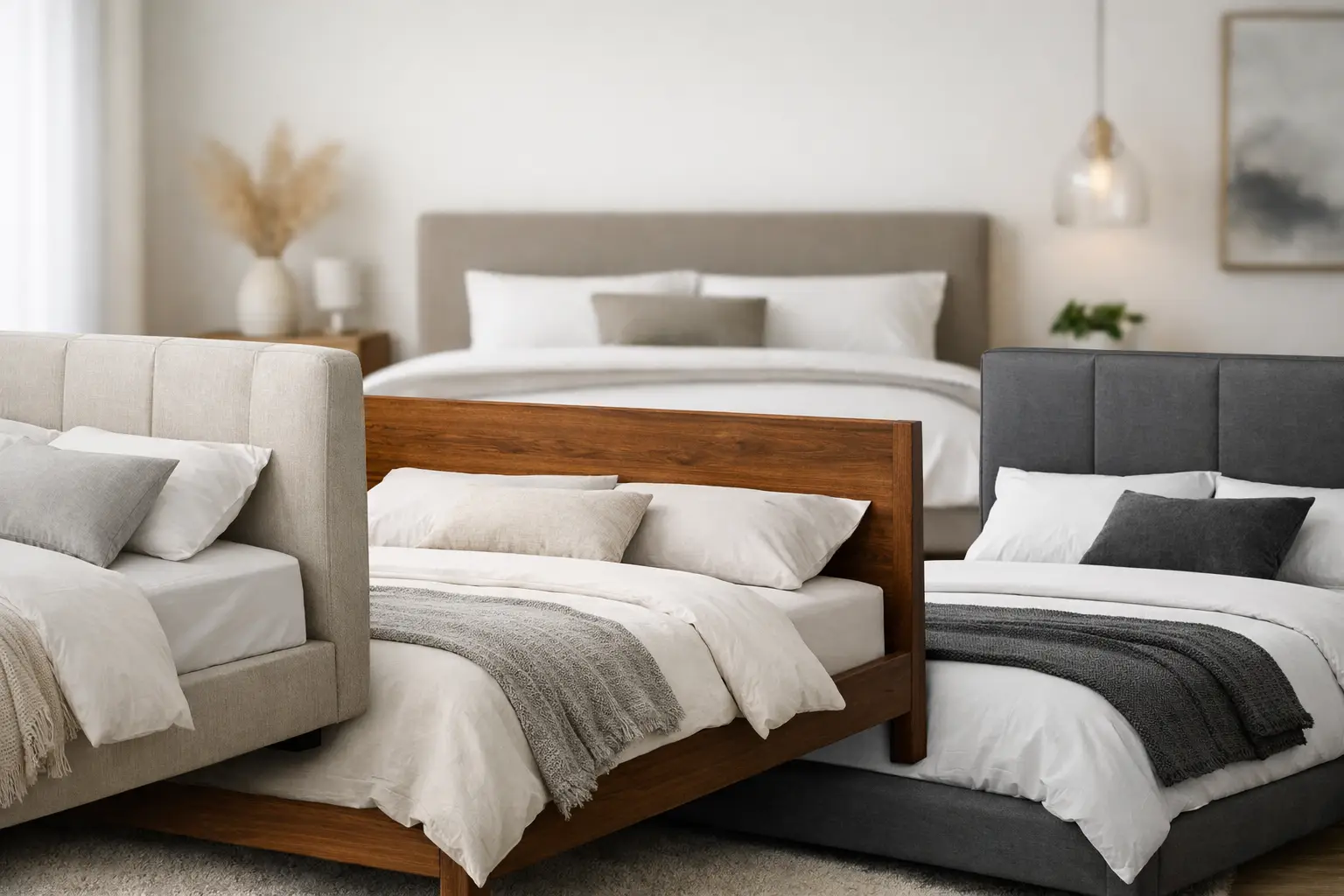
Woman choosing sofa fabric in stylish living room

How to choose a comfort and style sofa in 2026

A sofa that combines comfort and style is defined by the precise alignment of seat depth, cushion fill, fabric durability, and design proportion to your living space and body. Achieving this balance is not a matter of taste alone. Interior designers at publications such as Veranda and specialists at Vanguard Furniture consistently emphasise that systematic evaluation across fit, comfort, fabric, and structure is what separates a sofa you love for a decade from one that disappoints within months. This guide gives you the precise criteria to choose comfort and style sofa options with confidence, covering every dimension from room measurement to upholstery specification.

How to choose a sofa that actually fits your room

Getting the dimensions right before you fall in love with a design is the single most important step in the buying process. A sofa that overwhelms a modest sitting room or floats awkwardly in a large open-plan space undermines both comfort and visual harmony, regardless of how beautiful it is in isolation.

Start by measuring your room in full, then map out the sofa’s footprint using painter’s tape on the floor. This simple technique reveals whether the proportions feel balanced before any money changes hands. For readers working with limited square footage, the small space furniture guide from BraysUK offers practical layout strategies worth consulting alongside your measurements.

Key clearances to observe:

  • Leave 8 to 12 inches between the sofa back and the wall to allow air circulation and visual breathing room
  • Maintain walkways of at least 30 inches around the sofa for comfortable movement through the space
  • Account for coffee table clearance of 14 to 18 inches between the sofa front and the table edge
  • Measure the diagonal depth of the sofa, not just the width, when assessing corner and sectional options

Delivery logistics cause a surprising number of sofa-buying failures. Measuring doorways and stairwells before purchase is not optional. A sofa that fits your room perfectly but cannot pass through a narrow Victorian hallway or a tight stairwell landing will result in costly returns or, worse, a piece left in a garage.

Pro Tip: Photograph your room from multiple angles and bring the images when visiting showrooms. Designers use this technique to assess proportion and scale far more accurately than relying on memory alone.

Hands measuring living room dimensions

What comfort features matter most: seat depth, height, and fill

Comfort in a sofa is not subjective. It is the product of measurable ergonomic dimensions that either support your body correctly or do not.

  1. Seat depth. Interior designers recommend an overall depth of 38 to 41 inches for sofas intended for relaxed lounging, with a usable seat depth of roughly 20 to 25 inches. Deeper seats suit taller individuals and those who like to curl up; shallower seats offer better posture support for upright sitting.
  2. Seat height. The ideal seat height sits between 19 and 22 inches from floor to cushion surface. Anything below 18 inches creates genuine difficulty when rising, particularly for older users or those with joint concerns.
  3. Cushion fill. The fill material determines both the initial feel and how the sofa ages. Cushion inserts rated at least 50/50 down-wrapped foam deliver the ideal balance of softness and shape retention. Pure down feels luxurious but loses structure quickly; pure foam holds its shape but can feel rigid over time.
  4. Firmness. Medium-firm sofas retain their shape significantly better over years of use than very soft options, which compress and lose support within months. A sofa that feels slightly firm in the showroom often becomes the most comfortable choice after a few weeks of settling.
  5. Testing posture. Sit in your actual lounging position, not perched politely on the edge, for five to ten minutes. This is a far more reliable predictor of long-term satisfaction than a brief trial.

Pro Tip: Bring a cushion from your current sofa to the showroom. Comparing the fill density and seat height directly against a new option gives you a concrete reference point rather than an abstract impression.

Which fabrics offer the best balance of durability and style?

Infographic outlining sofa selection steps

Fabric choice is where sofa style and comfort intersect most visibly, and where the most costly mistakes are made. The Martindale rub test is the industry standard for measuring upholstery durability: 25,000 to 40,000 rubs is the threshold for heavy domestic use, while 40,000 rubs and above qualifies as contract grade. A fabric rated below 20,000 rubs will show wear within two to three years in an actively used family home.

Fabric type Martindale rating (typical) Best suited to
Performance weave (e.g. Crypton) 50,000+ rubs Families, pets, high traffic
Full-grain leather Not Martindale rated Durability-focused buyers
Velvet 20,000 to 30,000 rubs Low-traffic, style-led spaces
Linen blend 15,000 to 25,000 rubs Adult households, occasional use
Cotton weave 15,000 to 20,000 rubs Relaxed, informal living rooms

Combining down-wrapped foam cushions with fabrics rated to at least 25,000 Martindale rubs gives you the most durable and comfortable result over time. This pairing is the specification BraysUK recommends as a baseline for any sofa intended to last beyond five years.

Further considerations when selecting fabric:

  • Pets and children demand performance fabrics or leather; velvet and linen are beautiful but unforgiving of daily wear
  • Darker colourways and textured weaves conceal everyday marks far more effectively than pale, flat-weave options
  • Check whether the fabric carries a manufacturer’s warranty and what it covers; some performance fabrics include stain-resistance guarantees of five years or more
  • Natural fibres breathe better in warmer rooms but require more careful maintenance than synthetic blends

How sofa style and configuration shape your living space

The configuration you choose affects not only how the room looks but how the sofa actually performs day to day. Each format carries distinct practical implications.

  • Two-seater or loveseat. Suited to compact rooms or as a secondary seating piece. Proportionally light, but limits the number of people who can sit comfortably at once.
  • Three-seater. The most versatile format for living rooms between 12 and 20 feet in length. Offers sufficient seating without dominating the space.
  • Chaise longue configuration. Adds a dedicated lounging surface and works well in corner positions. Requires careful measurement to avoid blocking natural traffic flow.
  • Sectional or modular. Ideal for larger open-plan rooms. Modular designs from brands such as those curated by BraysUK allow you to reconfigure the layout as your needs change, which adds long-term value.
  • Statement versus blended. A sofa used as a focal point in the room benefits from a distinctive silhouette, bold colour, or textured fabric. A sofa intended to blend with existing décor calls for neutral tones and clean lines that complement rather than compete.

Frame aesthetics, including arm height, leg style, and back profile, carry as much influence over perceived comfort as actual ergonomics. High, square arms read as formal and structured; low, sloped arms feel relaxed and contemporary. Tapered wooden legs lift the visual weight of a sofa and make a room feel more open, while a fully upholstered base creates a grounded, luxurious impression. For inspiration on how eclectic styling approaches can work around a sofa as the centrepiece, eclectic living room ideas offer a useful creative reference.

Key takeaways

Choosing a sofa that delivers lasting comfort and style requires evaluating seat depth, cushion fill, fabric durability, and room fit as a connected system rather than separate decisions.

Point Details
Measure before you commit Leave 8 to 12 inches from walls and 30 inches for walkways; tape out the footprint first.
Prioritise ergonomic dimensions Seat depth of 38 to 41 inches and height of 19 to 22 inches suit the widest range of users.
Choose fill for longevity A 50/50 down-wrapped foam insert balances softness with shape retention over years of use.
Match fabric to your lifestyle Select upholstery rated to at least 25,000 Martindale rubs for any actively used family home.
Configuration shapes the room Match sofa format to room scale and usage; modular designs offer the most long-term flexibility.

The detail most buyers overlook

Having spent considerable time advising on furniture selection, the pattern I see most consistently is buyers who prioritise appearance over every other criterion, then find the sofa sits unused within a year. A piece that photographs beautifully but seats you at 16 inches from the floor, or one upholstered in a delicate linen that shows every mark within a fortnight, is not a comfortable stylish sofa. It is an expensive regret.

The insight that genuinely changes outcomes is this: treat the sofa as a system. Evaluating fit, comfort, fabric, and structure together, rather than falling for one exceptional quality while ignoring the others, is what produces lasting satisfaction. I have seen clients invest in a sofa with extraordinary frame construction and ideal seat dimensions, then choose a fabric rated at 12,000 Martindale rubs for a home with two dogs. The frame outlasted the upholstery by years.

Smart trade-offs are entirely possible. A velvet sofa in a low-traffic study is a perfectly sound choice. A performance-weave sofa in a family kitchen-diner is equally sound. The key is matching the specification to the reality of how you actually live, not how you imagine you might live. Invest most carefully in frame construction quality, because that is the one element you cannot replace without replacing the sofa entirely.

— V

Discover sofas that unite comfort and style at BraysUK

BraysUK curates a collection of handmade sofas built to the precise specifications this guide describes, from ergonomically considered seat depths to upholstery fabrics rated for real domestic life. Every piece is meticulously chosen to deliver premium design at accessible prices, so you never have to choose between a sofa that looks extraordinary and one that supports you properly.

https://braysuk.com

Whether you are searching for a modular sectional to anchor an open-plan space or a refined two-seater for a compact sitting room, the contemporary sofa designs for 2026 at BraysUK offer a curated starting point. Each option is available with personalised fabric and finish choices, so the sofa you select reflects both your aesthetic vision and the practical demands of your home. Browse the collection to see comfort and style resolved in a single, considered piece.

FAQ

What is the ideal seat depth for a comfortable sofa?

Interior designers recommend an overall sofa depth of 38 to 41 inches, with a usable seat depth of 20 to 25 inches. Deeper seats suit lounging; shallower seats support upright posture better.

How do I know if a sofa fabric is durable enough?

Check the Martindale rub test rating: 25,000 to 40,000 rubs is the minimum for heavy domestic use. Performance weaves and leather consistently outperform natural fibres in high-traffic households.

What sofa configuration works best for a small living room?

A standard three-seater or a compact chaise configuration suits most rooms between 12 and 18 feet in length. Tape out the footprint first and maintain at least 30 inches of walkway clearance around the piece.

How do I test sofa comfort properly before buying?

Sit in your actual lounging posture for five to ten minutes rather than perching briefly on the edge. This extended trial reveals whether the seat height, depth, and cushion firmness genuinely support your body.

Is a medium-firm sofa better than a soft one long term?

Yes. Medium-firm sofas hold their shape and support far better over years of use. Very soft sofas compress quickly and lose structural integrity, often within the first year of regular use.

10 Best Mattresses for Hot Sleepers

10 Best Mattresses for Hot Sleepers

If you wake up kicking off the comforter, flipping the pillow, and hunting for the cool side of the bed, the mattress is usually part of the problem. The best mattresses for hot sleepers are designed to release heat, improve airflow, and keep your body from sinking too deeply into warm, heat-trapping layers.

That sounds simple, but cooling is not one-size-fits-all. A mattress that feels fresh and breathable for one sleeper can still run warm for another, especially if body weight, sleep position, room temperature, and bedding are working against it. The smartest way to shop is to look beyond cooling claims and focus on how materials, construction, and firmness work together.

What actually makes a mattress sleep cool?

A cool-feeling cover can make a strong first impression, but the deeper layers matter more over the course of the night. Heat tends to build when your body sinks into dense foam with limited airflow. That is why mattresses with open structures, breathable fillings, and stronger support cores usually perform better for hot sleepers.

Pocket sprung mattresses are often a strong choice because the coil system allows air to move more freely through the bed. Hybrid mattresses can also work well, especially when they combine springs with breathable comfort layers rather than thick slabs of traditional memory foam. Latex is another material worth considering because it tends to feel more buoyant and less heat-retentive than classic foam.

Memory foam is where the trade-off often shows up. It can deliver excellent pressure relief and motion control, but some all-foam designs hold onto heat. That does not mean every memory foam mattress sleeps hot. Newer versions use gel infusions, open-cell structures, and more breathable covers, but they still tend to feel warmer than spring-led builds if you prefer a crisp, airy sleep surface.

Best mattresses for hot sleepers by mattress type

The easiest way to narrow your options is to match cooling performance with the feel you want. A mattress can be breathable and still be too firm, too soft, or too reactive for your sleep style.

Pocket sprung mattresses

For many shoppers, this is the safest starting point. Pocket springs create natural airflow and usually offer a more lifted feel than dense foam. If you sleep hot and dislike the sensation of sinking into the mattress, a pocket sprung model can feel noticeably fresher.

They also suit couples well because many modern designs balance airflow with targeted support. The main thing to watch is the comfort layer on top. If a pocket sprung mattress uses deep foam quilting, it may still sleep warmer than expected.

Hybrid mattresses

A hybrid mattress is often the sweet spot for hot sleepers who still want cushioning. You get the support and ventilation of springs with the comfort of foam, latex, or quilted fillings above.

This is where construction matters most. A hybrid with a moderate comfort layer and strong spring support can feel cool, balanced, and easy to move on. A hybrid packed with thick memory foam can feel more body-hugging and warmer. If cooling is your top priority, look for breathable top layers and a firmer, more supportive profile.

Latex mattresses

Latex has a naturally springier feel, which helps reduce that stuck-in-the-bed sensation that can trap warmth around the body. It is a strong option for sleepers who want pressure relief without the deep contouring of memory foam.

The feel is different, though. Latex tends to be more responsive and slightly pushier. Some people love that lifted support, while others prefer the slow, cushioned feel of foam. If you want cooler sleep and easier movement, it is a smart category to consider.

Memory foam mattresses

Memory foam can still work for hot sleepers, but only if the design is done well. If you like contouring comfort, pressure relief at the shoulders and hips, and low motion transfer, you may not want to rule it out.

The key is to avoid overly soft, all-foam builds that let you sink too far. Look instead for gel-infused foam, open-cell foam, or memory foam paired with a more breathable support system. A medium-firm feel often works better than plush if you are trying to sleep cooler.

How firmness affects temperature

Many shoppers focus only on materials, but firmness plays a big role too. Softer mattresses let the body settle further into the comfort layers, which increases surface contact and traps more warmth. Firmer mattresses keep you more elevated, which usually improves airflow around the body.

That does not mean every hot sleeper should buy a firm mattress. Side sleepers often need more pressure relief, especially around the shoulders and hips. If the mattress is too firm, comfort drops quickly. In that case, a medium or medium-firm hybrid often gives the best balance of cooling and contouring.

Back and stomach sleepers usually have more flexibility here. They often sleep cooler on medium-firm to firm mattresses because the body stays more level and supported. Heavier sleepers should pay particular attention to this. If the mattress is too soft, extra sink can make even a breathable model feel warmer.

Features worth paying for and features to question

Cooling claims can be heavily marketed, so it helps to separate what makes a practical difference from what sounds impressive on a product page.

Breathable covers, spring support cores, ventilated latex, and open-cell foams are all worth taking seriously because they improve airflow or reduce heat retention in a clear way. Moisture-wicking fabrics can also help if night sweats are part of the problem.

Phase-change materials and cooling gels can be useful, but expectations should stay realistic. Many of these technologies create an initially cool touch rather than all-night temperature control. They can improve comfort, but they do not cancel out a mattress built with dense, heat-holding layers.

Edge support matters more than many people realize. A mattress with stronger edge support often feels more stable and easier to move around on, which can help prevent that enveloped, overheated feeling. It is not a cooling feature on its own, but it contributes to a more lifted sleep experience.

How to choose the best mattress for your sleep style

Hot sleeping rarely happens in isolation. The right mattress still needs to suit how you sleep, whether you share the bed, and what level of support your body needs.

If you are a side sleeper, start with a breathable hybrid or latex model in a medium to medium-firm feel. You need enough give for pressure relief, but not so much that you sink into heat-retaining foam.

If you are a back sleeper, a medium-firm pocket sprung or hybrid mattress is often a strong match. It keeps the spine supported while allowing enough airflow through the structure.

If you are a stomach sleeper, firmer models usually perform best. Too much softness can throw off alignment and create more body contact with the mattress surface, which tends to feel warmer.

If you sleep with a partner, motion control may matter almost as much as cooling. Hybrids with individually wrapped springs are often a strong middle ground because they limit movement transfer better than traditional open coils while still offering better airflow than many all-foam options.

Don’t overlook the rest of the bed

Even the best mattresses for hot sleepers can underperform if the rest of the setup traps heat. Thick mattress toppers, synthetic bedding, and heavy duvets can all make a cooling mattress feel warmer than it really is.

Breathable sheets, lighter bedding, and a bed frame that allows some airflow underneath can all help. This matters even more if your room naturally runs warm. In many cases, the mattress solves part of the issue, but the full sleep environment is what changes how cool you actually feel at 2 a.m.

This is also where style and function can work together. A modern bedroom setup should look polished, but it should still support how you sleep in real life. If you are upgrading your bed and mattress at the same time, it makes sense to choose a setup that feels contemporary while still prioritizing airflow, support, and everyday comfort.

What most hot sleepers should avoid

If overheating is your main complaint, be cautious with ultra-plush all-foam mattresses, especially those with deep memory foam comfort layers. They can feel cozy at first but often hold more heat overnight.

You should also be careful with mattresses described only as soft and cloud-like without much detail on airflow or support construction. Those comfort-focused descriptions can sound appealing, but hot sleepers usually need a bit more balance and structure.

That said, there is always an it-depends factor. If you are very lightweight, sleep in a cool room, and love a softer feel, you may still do well on foam. The goal is not to avoid certain materials completely. It is to understand how they are likely to behave once you have been lying on them for several hours.

Shopping for a cooler mattress gets easier when you focus less on buzzwords and more on the way the mattress is built. A breathable hybrid, pocket sprung design, or responsive latex model will suit most hot sleepers better than a deeply plush foam bed, but the best choice is the one that keeps you supported as well as cool. When both are right, falling asleep feels easier and staying asleep usually does too.